Green Technology Innovations are reshaping the way industries, governments, and everyday households approach energy, production, and consumption. As climate concerns grow, engineers and scientists are developing smarter tools that reduce environmental impact while improving efficiency. This shift is not a passing trend but a permanent transformation in how humanity interacts with the planet.
- What Are Green Technology Innovations
- Renewable Energy Advancements
- Smart Grids and Energy Storage
- Sustainable Transportation
- Green Building and Construction
- Water Conservation Technology
- Waste Management and Recycling Technology
- The Role of Artificial Intelligence in Sustainability
- Why Green Technology Matters for the Future
- Conclusion
- FAQs
What Are Green Technology Innovations
Green technology refers to products, systems, and processes designed to minimize harm to the environment. These innovations focus on reducing waste, conserving natural resources, and lowering carbon emissions.
Core Principles Behind Green Technology
Most sustainable technologies share a few guiding principles.
• Efficiency in energy and resource use • Reduction of pollution and waste • Renewability of materials and power sources • Long term environmental balance
These principles guide inventors as they design tools for homes, factories, and cities.
Renewable Energy Advancements
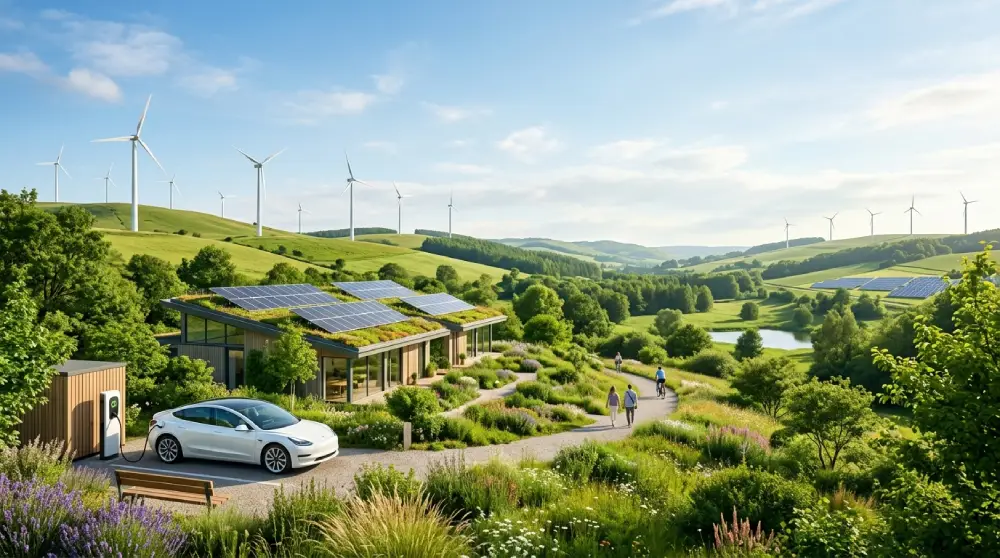
Renewable energy remains the backbone of green innovation. Solar panels, wind turbines, and hydroelectric systems continue to evolve, becoming more efficient and easier to install.
Solar Power Breakthroughs
Modern solar panels now capture sunlight more effectively than earlier models. Researchers are experimenting with thin film materials that can be applied to windows, rooftops, and even clothing. This flexibility allows solar energy to be harvested in places once considered impractical.
Wind Energy Improvements
Wind turbines have grown taller and smarter. Offshore wind farms are expanding rapidly, taking advantage of stronger and more consistent ocean winds. Smart sensors now allow turbines to adjust their blade angles automatically for maximum output.
Smart Grids and Energy Storage
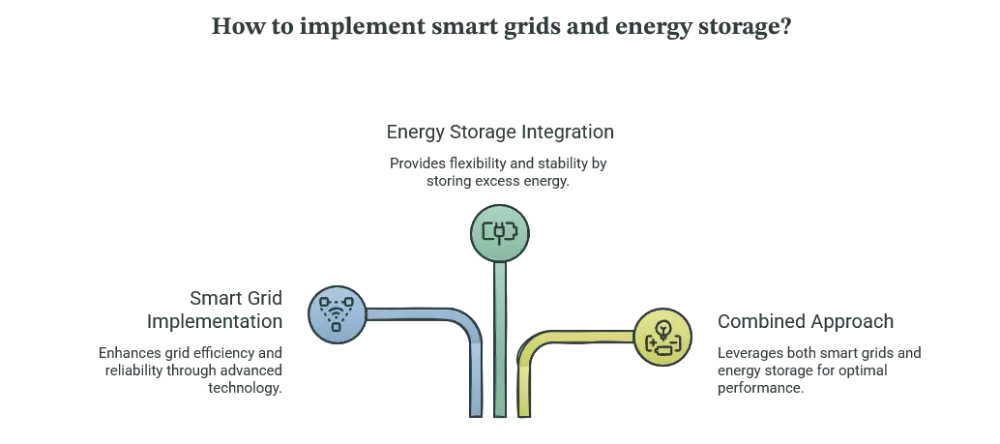
A major challenge with renewable energy has always been storage and distribution. Smart grid technology is solving this problem by creating flexible, responsive electricity networks.
How Smart Grids Work
Smart grids use sensors and real time data to balance supply and demand. When energy production spikes from solar or wind sources, the grid redirects power where it is needed most, reducing waste and preventing blackouts.
Battery Innovation
Battery technology has advanced significantly, with longer lasting and faster charging options entering the market. These batteries store excess renewable energy for use during periods when sunlight or wind is limited, making clean energy more reliable.
Sustainable Transportation
Transportation is one of the largest contributors to global emissions, which is why green innovation in this sector matters so much.
Electric Vehicles and Beyond
Electric vehicles continue to gain popularity as battery range improves and charging networks expand. Manufacturers are also exploring hydrogen fuel cells as an alternative power source for larger vehicles like buses and trucks.
Smart Public Transit Systems
Cities are integrating sensors and AI powered scheduling into public transportation. This reduces idle time, optimizes routes, and lowers overall fuel consumption across entire transit fleets.
Green Building and Construction
Construction practices are evolving to reduce environmental footprints while creating healthier living spaces.
Eco Friendly Materials
Builders are turning to recycled steel, bamboo, and low emission concrete alternatives. These materials often perform just as well as traditional options while significantly cutting environmental impact.
Smart Home Automation
Smart thermostats, automated lighting, and energy monitoring systems help homeowners track and reduce consumption. Many of these systems learn user habits over time, adjusting automatically to save energy without sacrificing comfort.
Water Conservation Technology
Clean water access is another area where innovation plays a critical role.
Advanced Filtration Systems
New filtration technologies remove contaminants more effectively while using less energy than traditional systems. Some designs even allow for portable, off grid water purification in remote areas.
Smart Irrigation for Agriculture
Farmers are adopting sensor based irrigation systems that measure soil moisture and weather patterns. This ensures crops receive exactly the water they need, reducing waste significantly across large farmland areas.
Waste Management and Recycling Technology
Managing waste responsibly is central to any sustainable future.
AI Powered Sorting Systems
Recycling facilities now use artificial intelligence to sort materials faster and more accurately than manual labor alone. This improves recycling rates and reduces contamination in recycled materials.
Biodegradable Alternatives
Scientists continue to develop biodegradable packaging and plastics made from plant based materials. These alternatives break down naturally, reducing long term pollution in oceans and landfills.
The Role of Artificial Intelligence in Sustainability
Artificial intelligence is becoming a powerful ally in environmental protection.
Predictive Environmental Monitoring
AI systems analyze data from satellites and sensors to predict weather patterns, track deforestation, and monitor air quality in real time. This allows for faster responses to environmental threats.
Optimizing Industrial Processes
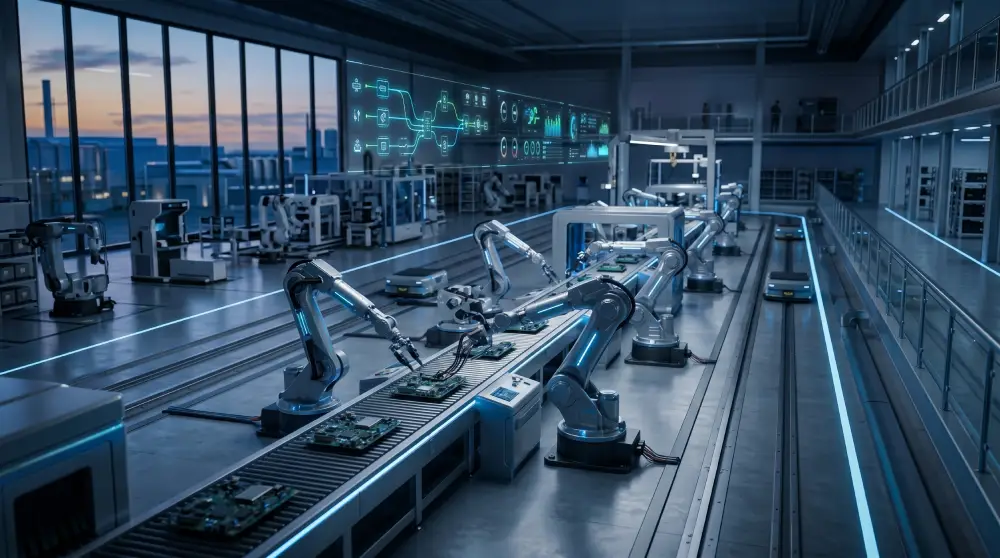
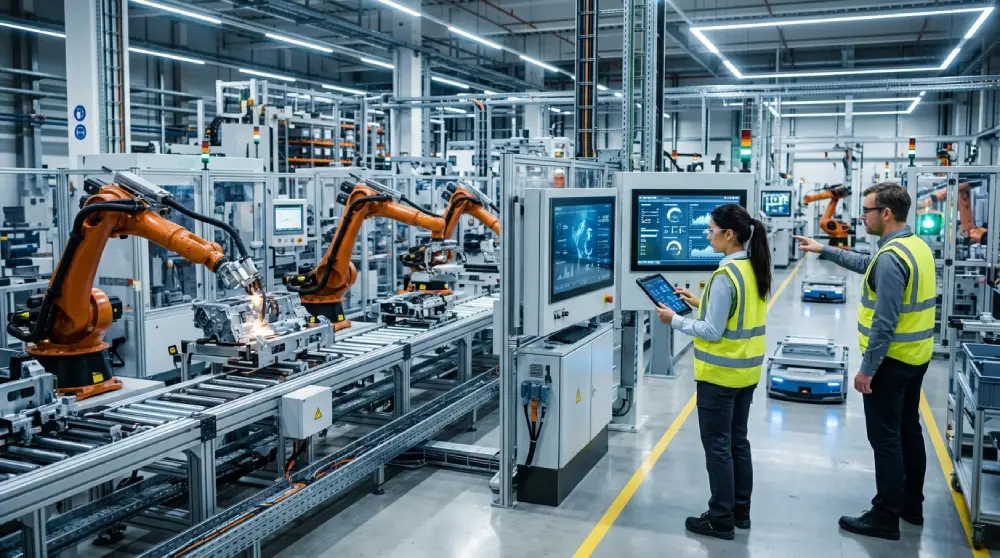
Factories use AI to fine tune manufacturing processes, reducing energy consumption and material waste without slowing down production.
Why Green Technology Matters for the Future
Green Technology Innovations are not just about protecting the environment. They also improve public health, create new industries, and encourage more efficient use of natural resources. As these technologies mature, they become more accessible to communities around the world, making sustainability a shared, achievable goal rather than a distant ideal.
Conclusion
Green Technology Innovations continue to redefine how the world approaches energy, transportation, construction, and resource management. From solar breakthroughs to AI powered sustainability tools, these advancements offer practical solutions to some of the planet’s biggest challenges. As adoption grows, the collective impact of these technologies will play a defining role in shaping a cleaner, healthier future for generations to come.
FAQs
What is meant by green technology innovations?
Green technology innovations refer to modern tools, systems, and processes designed to reduce environmental harm while improving efficiency in energy, transportation, construction, and resource management.
How does renewable energy support sustainability?
Renewable energy sources like solar and wind reduce dependence on fossil fuels, lower carbon emissions, and provide cleaner power alternatives that support long term environmental balance.
What role does artificial intelligence play in green technology?
Artificial intelligence helps monitor environmental data, predict climate patterns, and optimize industrial processes, making sustainability efforts more accurate and efficient.
Are electric vehicles considered a green technology innovation?
Yes, electric vehicles are a major part of sustainable transportation, helping reduce emissions and reliance on traditional fuel sources.
Why is water conservation technology important for sustainability?
Water conservation technology ensures efficient use of a limited resource, supporting agriculture, clean water access, and long term environmental health.