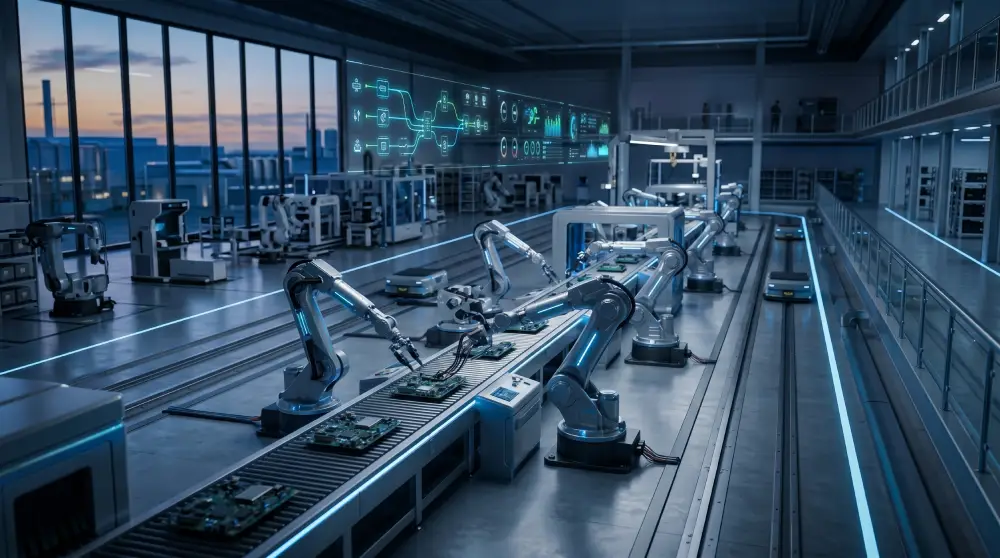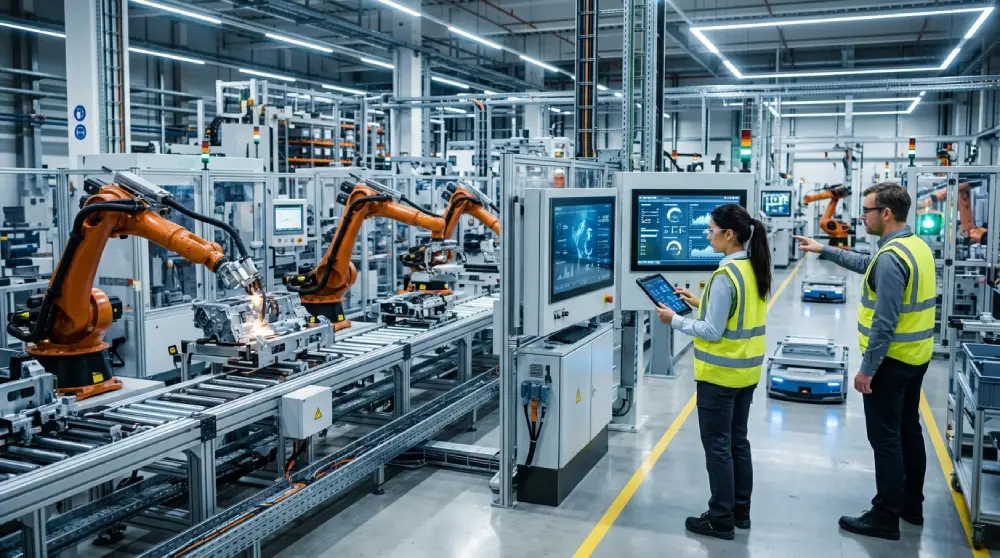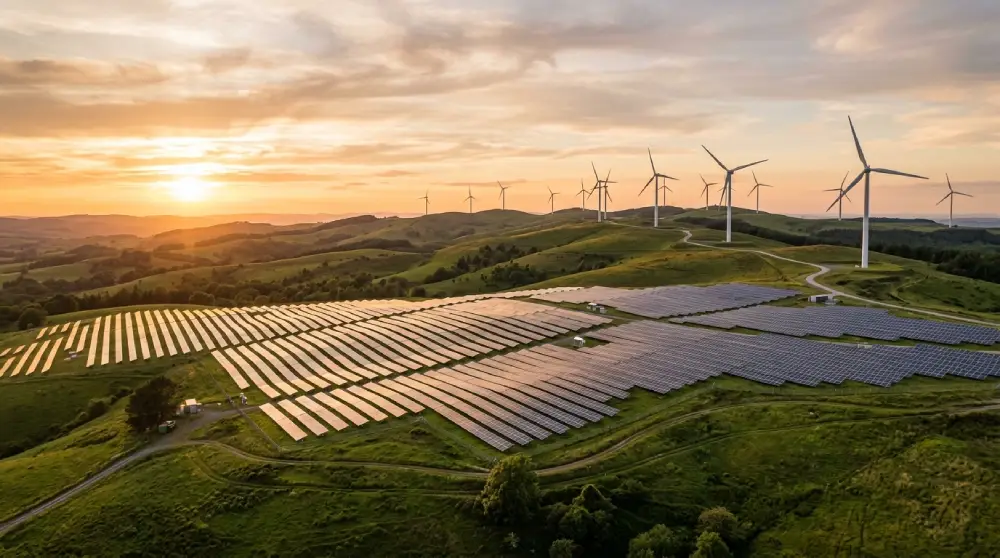
Renewable Energy Trends are changing faster than ever as countries, industries, and households shift away from fossil fuels toward cleaner power sources. From solar panels on rooftops to massive offshore wind farms, the world is witnessing a transformation in how energy is generated, stored, and used. This shift is not just about protecting the environment. It is also about building a more reliable and independent energy future. In this article, we will explore the key trends driving the renewable energy sector forward and what they mean for the years ahead.
- Why Renewable Energy Trends Matter Today
- Solar Power Continues to Lead the Way
- Wind Energy Expands Beyond the Coastline
- Energy Storage Becomes a Game Changer
- Green Hydrogen Emerges as a Promising Trend
- Smart Grids and Digital Technology
- Corporate and Community Involvement
- The Role of Policy and Global Cooperation
- What the Future Holds for Renewable Energy
- Conclusion
- Frequently Asked Questions
Why Renewable Energy Trends Matter Today
The global energy landscape is evolving rapidly. Governments are setting ambitious climate goals, businesses are adopting sustainability practices, and consumers are demanding cleaner alternatives. Understanding these trends helps individuals and organizations make informed decisions about energy use and investment.
A Shift Toward Decentralized Power
One of the most noticeable trends is the move away from large centralized power plants toward smaller, distributed energy systems. Homes and businesses are increasingly generating their own electricity through rooftop solar panels and small wind turbines, reducing dependence on traditional grids.
Solar Power Continues to Lead the Way
Solar energy remains one of the fastest growing sources of renewable power across the globe. Advances in photovoltaic technology have made panels more efficient and durable, allowing them to generate more electricity even in low sunlight conditions.
Rise of Floating Solar Farms
Floating solar installations on lakes and reservoirs are gaining popularity. These systems save land space, reduce water evaporation, and often perform better due to the cooling effect of water beneath the panels.
Building Integrated Solar Solutions
Architects and developers are now incorporating solar technology directly into building materials such as windows, roofing tiles, and facades. This integration allows structures to generate power without changing their outward appearance.
Wind Energy Expands Beyond the Coastline
Wind power has long been a cornerstone of renewable energy, and new innovations are pushing it even further.
Offshore Wind Farms Gain Momentum
Offshore wind projects are expanding into deeper waters using floating turbine technology. These installations can capture stronger and more consistent winds compared to onshore locations, making them highly efficient.
Smaller Turbines for Urban Areas
Compact wind turbines designed for urban environments are emerging as a practical solution for cities. These smaller units can be installed on buildings or public spaces, contributing to local energy generation without requiring large open land.
Energy Storage Becomes a Game Changer
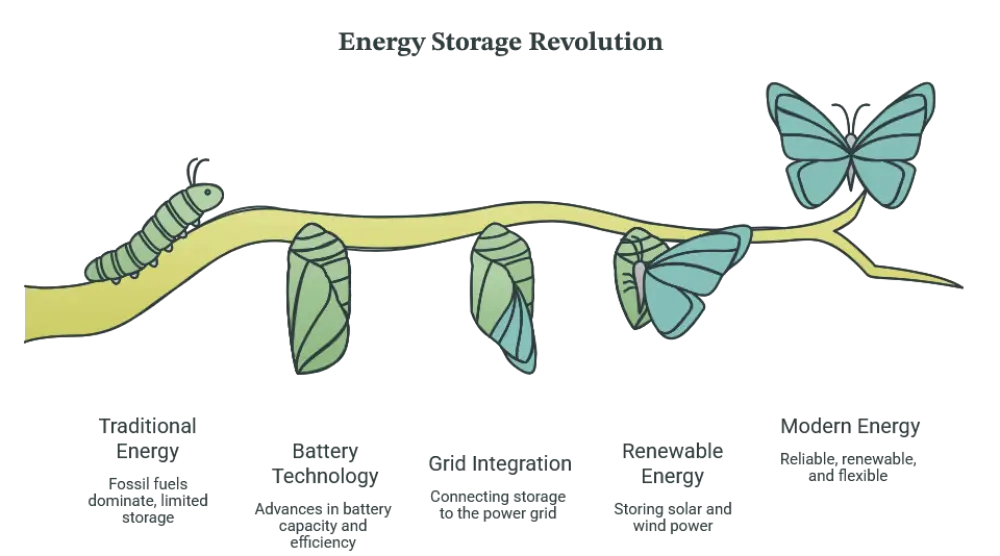
As renewable energy generation grows, storing that energy efficiently has become essential. Battery technology is advancing quickly, allowing excess power generated during peak production to be saved for later use.
Long Duration Storage Solutions
New storage technologies are being developed to hold energy for extended periods, addressing the challenge of inconsistent sunlight and wind. These systems help ensure a stable power supply even during periods of low generation.
Home Battery Systems on the Rise
More households are installing battery systems alongside solar panels, giving them greater control over their energy use and reducing reliance on the traditional grid, especially during outages.
Green Hydrogen Emerges as a Promising Trend
Green hydrogen, produced using renewable electricity, is gaining attention as a clean fuel alternative for industries that are difficult to electrify, such as heavy transport and manufacturing.
Applications Across Multiple Sectors
Green hydrogen is being explored for use in shipping, aviation, and steel production. Its ability to store and transport energy makes it a versatile solution for sectors that require high energy density.
Smart Grids and Digital Technology
Modern power grids are becoming smarter, using digital tools to balance supply and demand more effectively.
Artificial Intelligence in Energy Management
Artificial intelligence is being used to predict energy demand, optimize distribution, and detect faults in real time. This technology helps utilities manage renewable sources more efficiently, even when generation fluctuates.
Electric Vehicle Integration
Electric vehicles are increasingly being connected to smart grids, allowing their batteries to store excess renewable energy and even feed power back into the grid when needed. This creates a more flexible and resilient energy system.
Corporate and Community Involvement
Businesses and communities are playing a bigger role in the renewable energy movement than ever before.
Corporate Renewable Energy Commitments
Many companies are setting internal targets to power their operations entirely through renewable sources, driving demand for clean energy projects and encouraging further innovation.
Community Owned Renewable Projects
Local communities are forming cooperatives to fund and manage their own solar or wind projects. This model allows residents to benefit directly from clean energy production while strengthening local energy independence.
The Role of Policy and Global Cooperation
International cooperation and supportive policies continue to shape the pace of renewable energy adoption. Cross border energy trading, shared research initiatives, and coordinated climate goals are helping accelerate the transition to cleaner power sources worldwide.
What the Future Holds for Renewable Energy
The renewable energy sector is entering an exciting phase defined by innovation, integration, and accessibility. As storage technology improves, digital tools become smarter, and adoption spreads across industries and communities, renewable energy is set to become an even more reliable and central part of daily life. The trends discussed above show that this transition is not a distant possibility but an ongoing transformation already reshaping how the world powers itself.
Conclusion
Renewable Energy Trends reveal a clear direction for the future: cleaner, smarter, and more distributed power systems. From floating solar farms to offshore wind expansion, from battery innovation to green hydrogen, these developments are working together to create a more sustainable energy landscape. Staying informed about these trends allows individuals, businesses, and communities to participate actively in this transformation and contribute to a greener planet.
Frequently Asked Questions
What are the biggest Renewable Energy Trends right now?
The most notable trends include the expansion of offshore wind farms, growth in floating and building integrated solar technology, advancements in battery storage, the rise of green hydrogen, and the integration of smart grids with artificial intelligence.
Why is energy storage important for renewable energy?
Energy storage allows excess electricity generated from solar or wind to be saved and used later, ensuring a consistent power supply even when sunlight or wind conditions are low.
What is green hydrogen used for?
Green hydrogen is used as a clean fuel alternative in sectors that are hard to electrify, including shipping, aviation, and heavy manufacturing, offering a versatile way to store and transport renewable energy.
How are electric vehicles connected to renewable energy?
Electric vehicles can be integrated into smart grids, allowing their batteries to store renewable energy and even send power back to the grid during periods of high demand.
Can communities own their own renewable energy projects?
Yes, many communities form cooperatives to fund and manage local solar or wind projects, allowing residents to benefit directly from clean energy while boosting local energy independence.