Semiconductor Industry Trends are changing faster than ever as chips power everything from smartphones to electric vehicles to artificial intelligence systems. The industry is moving beyond simple performance upgrades into a new era defined by smarter design, sustainable manufacturing, and global supply chain resilience. Understanding these shifts helps businesses, engineers, and investors stay ahead in a rapidly evolving landscape.
This article explores the major forces reshaping semiconductors today, from advanced chip architecture to the rise of artificial intelligence hardware.
- The Rise of AI Driven Chip Design
- Advanced Node Technology and Miniaturization
- Semiconductor Supply Chain Diversification
- Sustainability in Semiconductor Manufacturing
- The Expansion of Edge Computing Chips
- Semiconductors Powering the Automotive Industry
- Quantum Computing and Next Generation Materials
- Conclusion
- Frequently Asked Questions
The Rise of AI Driven Chip Design
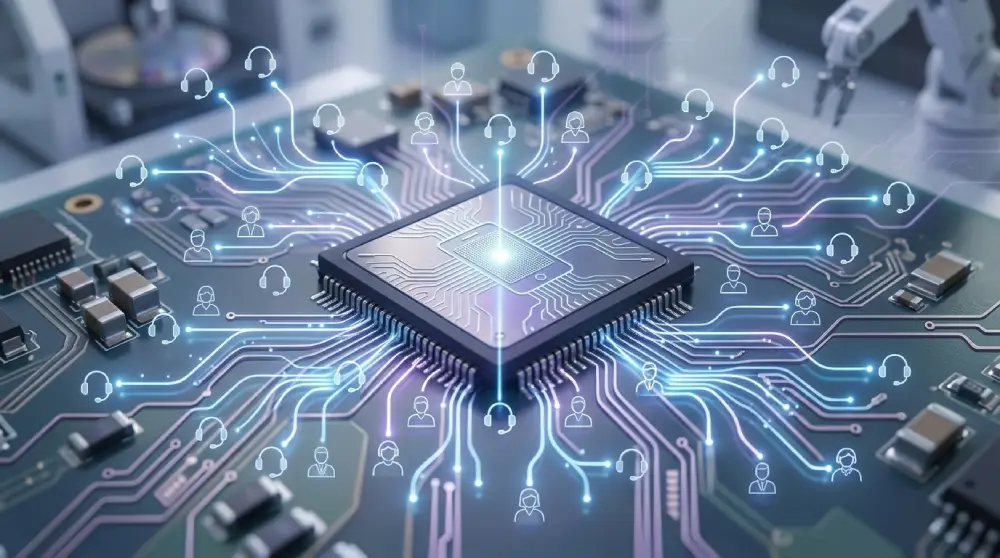
Artificial intelligence is no longer just a use case for semiconductors. It has become a tool used to design them.
Machine Learning in Chip Architecture
Engineers now use machine learning algorithms to optimize transistor placement and circuit layouts. This reduces design time significantly and helps identify performance bottlenecks earlier in the development cycle.
Custom Silicon for AI Workloads
Companies are increasingly building custom chips tailored specifically for machine learning tasks. These specialized processors handle AI workloads far more efficiently than traditional general purpose chips, making them essential for data centers and edge devices alike.
Advanced Node Technology and Miniaturization
Chip miniaturization remains a defining trend in the semiconductor world.
Smaller Process Nodes
Manufacturers continue pushing toward smaller process nodes, allowing more transistors to fit onto a single chip. This increases computing power while improving energy efficiency, which is critical for mobile devices and high performance computing alike.
Three Dimensional Chip Stacking
Instead of only shrinking components, the industry is also stacking chips vertically. This three dimensional approach improves performance without requiring the same level of horizontal shrinking, opening new possibilities for compact yet powerful devices.
Semiconductor Supply Chain Diversification
Recent global disruptions have pushed manufacturers to rethink how and where chips are produced.
Regional Manufacturing Expansion
Countries around the world are investing in local semiconductor fabrication facilities to reduce dependency on a small number of global suppliers. This diversification strengthens supply chain resilience and reduces the risk of production halts caused by regional disruptions.
Strengthening Raw Material Sourcing
Access to rare materials used in chip production is becoming a strategic priority. Companies are forming new partnerships and exploring alternative material sources to ensure consistent supply for future manufacturing needs.
Sustainability in Semiconductor Manufacturing
Environmental responsibility is now a core focus for chipmakers, not just an afterthought.
Energy Efficient Fabrication Processes
Fabrication plants are adopting cleaner energy sources and more efficient cooling systems. These changes help lower the environmental footprint of chip production while maintaining high output quality.
Reducing Water and Chemical Waste
Semiconductor manufacturing traditionally requires large amounts of water and chemicals. New recycling technologies and closed loop systems are helping companies minimize waste and operate more sustainably.
The Expansion of Edge Computing Chips
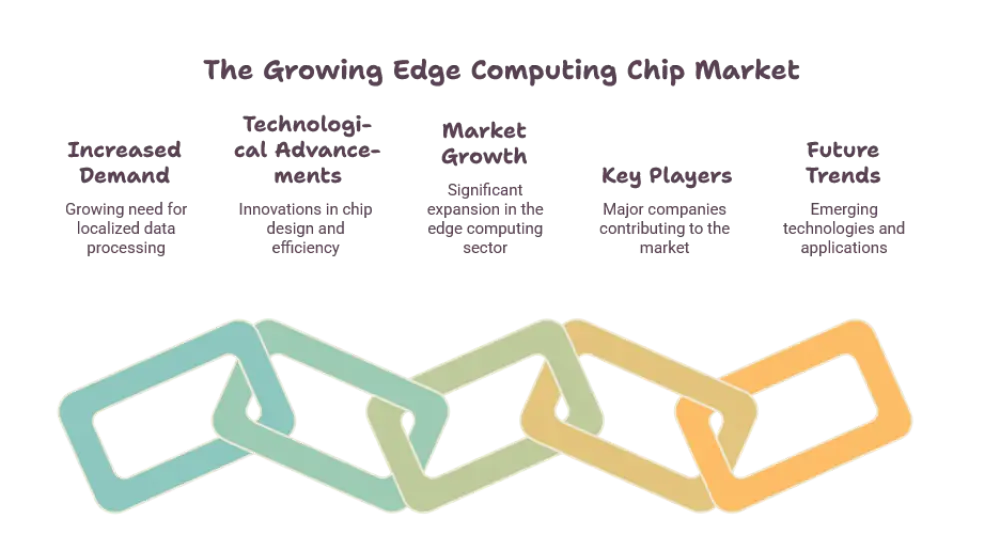
As devices become smarter, processing power is shifting closer to where data is generated.
Real Time Data Processing
Edge computing chips allow devices to process data locally instead of relying entirely on cloud servers. This reduces latency and enables faster decision making, which is especially important for autonomous vehicles and industrial automation.
Growth in IoT Device Integration
The expansion of the Internet of Things continues to fuel demand for compact, energy efficient chips. These semiconductors power everything from smart home devices to wearable health monitors.
Semiconductors Powering the Automotive Industry
The automotive sector has become one of the fastest growing markets for semiconductor technology.
Chips for Electric and Autonomous Vehicles
Modern vehicles rely heavily on semiconductors for battery management, driver assistance systems, and autonomous navigation features. As electric vehicle adoption grows, demand for automotive grade chips continues rising steadily.
Enhanced Vehicle Safety Systems
Advanced driver assistance systems depend on specialized sensors and processors. These chips enable features such as collision detection and adaptive cruise control, making vehicles safer for everyone on the road.
Quantum Computing and Next Generation Materials
Looking ahead, the semiconductor industry is exploring technologies that go beyond traditional silicon.
Emerging Semiconductor Materials
Researchers are testing materials like gallium nitride and silicon carbide, which offer better performance in high power applications compared to traditional silicon based chips.
Early Stage Quantum Chip Development
While still in early stages, quantum computing chips represent a long term shift in how complex problems could be solved. Continued research in this area may eventually influence mainstream semiconductor design.
Conclusion
Semiconductor Industry Trends reflect a broader transformation happening across global technology infrastructure. From AI driven design and advanced miniaturization to sustainable manufacturing and diversified supply chains, the industry is evolving to meet growing demand across multiple sectors. As automotive, computing, and edge technologies continue advancing, semiconductors will remain at the core of innovation for years to come. Staying informed about these trends helps businesses and individuals better understand the technology shaping our everyday lives.
Frequently Asked Questions
What are the biggest trends in the semiconductor industry today?
The biggest trends include AI driven chip design, advanced miniaturization, supply chain diversification, sustainable manufacturing, and the rapid growth of edge computing chips.
Why is artificial intelligence important to semiconductor development?
Artificial intelligence helps optimize chip design processes and also drives demand for specialized processors built specifically for machine learning and data intensive workloads.
How is the semiconductor supply chain becoming more resilient?
Manufacturers are expanding regional production facilities and strengthening raw material sourcing to reduce dependency on limited global suppliers and minimize disruption risks.
What role do semiconductors play in electric vehicles?
Semiconductors manage battery systems, power electronics, and driver assistance features, making them essential components in modern electric and autonomous vehicles.
Are semiconductor companies focusing on sustainability?
Yes, many manufacturers are adopting energy efficient fabrication methods and reducing water and chemical waste to make chip production more environmentally responsible.