Battery technology innovations are reshaping how the world stores and uses energy. From electric vehicles to smartphones and renewable energy grids, new advancements are making batteries safer, longer lasting, and more efficient than ever before. As demand for cleaner energy solutions grows, researchers and engineers are pushing the limits of what batteries can do, opening doors to a future where energy storage is smarter and more sustainable.
- Why Battery Technology Innovations Matter
- Solid State Batteries
- Benefits Over Traditional Batteries
- Lithium Sulfur Batteries
- Sodium Ion Batteries
- Graphene Based Batteries
- Battery Recycling and Sustainable Innovations
- Fast Charging Technology
- AI and Battery Management Systems
- Future Outlook
- Conclusion
- Frequently Asked Questions
Why Battery Technology Innovations Matter
Modern life depends heavily on batteries. Smartphones, laptops, electric cars, and even entire power grids rely on efficient energy storage. As the world shifts toward renewable energy sources like solar and wind, the need for reliable batteries becomes even more important.
Battery technology innovations help solve major challenges such as slow charging times, limited lifespan, and safety risks like overheating. These improvements are not only making devices more convenient but are also playing a huge role in reducing our dependence on fossil fuels.
Solid State Batteries
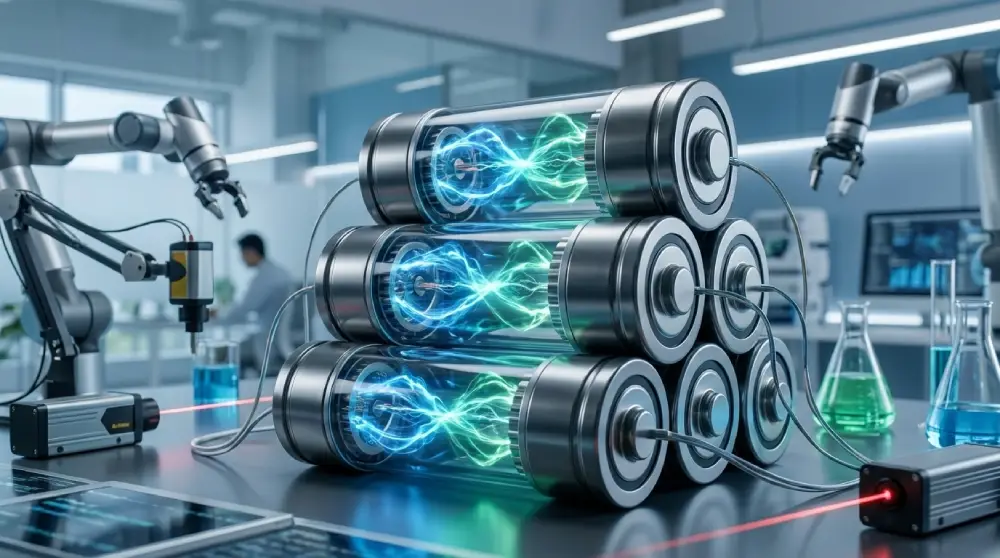
Solid state batteries are one of the most exciting innovations in the battery world. Unlike traditional batteries that use liquid electrolytes, solid state batteries use a solid material instead.
How They Work
Solid state batteries replace the liquid electrolyte found in lithium ion batteries with a solid substance. This design reduces the risk of leaks and fires while improving overall performance.
Benefits Over Traditional Batteries
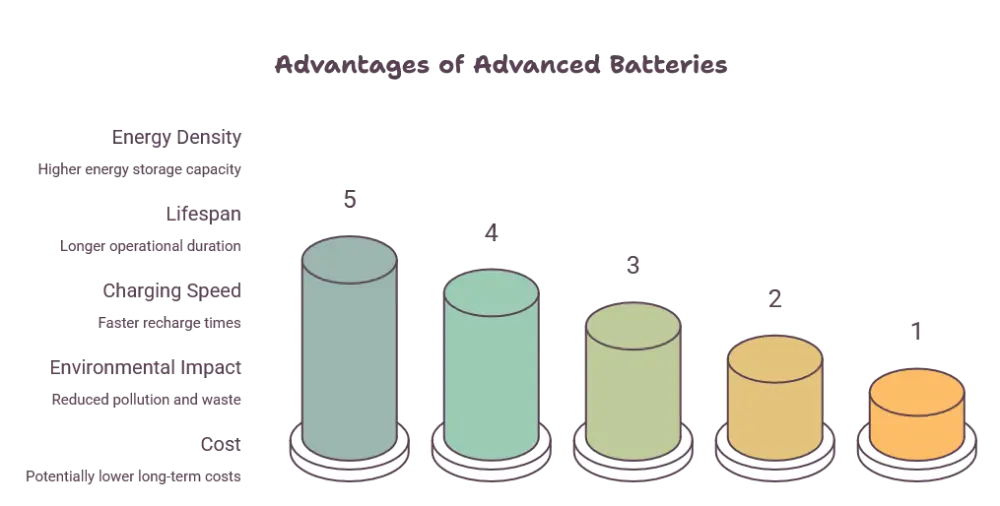
These batteries offer higher energy density, meaning they can store more power in a smaller size. They also charge faster and last longer, making them ideal for electric vehicles and consumer electronics.
Lithium Sulfur Batteries
Lithium sulfur batteries are another breakthrough gaining attention. They use sulfur instead of some of the rare materials found in standard lithium ion batteries.
This innovation allows for lighter batteries with a higher energy capacity. Lithium sulfur batteries are especially promising for industries like aviation and electric mobility, where reducing weight is essential for efficiency.
Sodium Ion Batteries
Sodium ion batteries are emerging as a strong alternative to lithium based systems. Since sodium is widely available, this technology offers a more sustainable path forward for energy storage.
These batteries perform well in a variety of temperatures and are considered safer due to their stable chemical structure. As research continues, sodium ion batteries could become a major player in large scale energy storage systems.
Graphene Based Batteries
Graphene is a material known for its strength and excellent conductivity. When used in batteries, graphene helps improve charging speed and overall efficiency.
Graphene based batteries can charge significantly faster than conventional batteries while maintaining a longer lifespan. This innovation could transform industries that rely on quick and frequent charging, such as public transportation and logistics.
Battery Recycling and Sustainable Innovations
As battery use increases worldwide, recycling and sustainability have become key areas of innovation. New recycling methods are being developed to recover valuable materials from used batteries, reducing environmental impact and preserving natural resources.
Manufacturers are also exploring eco friendly materials and production methods to minimize waste. These sustainable practices ensure that battery technology innovations support long term environmental goals rather than creating new challenges.
Fast Charging Technology
Fast charging has become one of the most desired features in modern battery systems. Advances in battery chemistry and charging infrastructure now allow devices to charge in a fraction of the time it once took.
This innovation is especially valuable for electric vehicles, where charging speed directly affects convenience and daily usability. Improved thermal management systems also help batteries charge quickly without overheating.
AI and Battery Management Systems
Artificial intelligence is playing a growing role in battery technology innovations. Smart battery management systems use AI to monitor performance, predict potential failures, and optimize charging patterns.
This technology extends battery life and improves safety by detecting issues before they become serious problems. AI driven insights also help manufacturers design more efficient batteries based on real world usage data.
Future Outlook
The future of battery technology looks incredibly promising. Ongoing research into new materials, smarter charging systems, and sustainable production methods will continue to shape how energy is stored and used.
As industries and consumers demand cleaner and more efficient energy solutions, battery technology innovations will remain at the center of this transformation. From powering electric vehicles to supporting renewable energy grids, these advancements are laying the foundation for a more sustainable future.
Conclusion
Battery technology innovations are transforming the way we power our world. From solid state and lithium sulfur batteries to sodium ion alternatives and graphene based designs, these advancements are making energy storage safer, faster, and more sustainable. As research continues to evolve, battery technology will play an even bigger role in shaping a cleaner and more efficient future for everyone.
Frequently Asked Questions
What are battery technology innovations?
Battery technology innovations refer to new advancements in how batteries are designed, built, and used to improve performance, safety, and sustainability.
Why are solid state batteries considered a major innovation?
Solid state batteries use a solid electrolyte instead of a liquid one, making them safer, longer lasting, and more energy dense than traditional batteries.
How do sodium ion batteries differ from lithium ion batteries?
Sodium ion batteries use sodium instead of lithium, offering a more sustainable and widely available alternative with stable performance across temperatures.
What role does AI play in battery technology?
AI helps manage battery performance by predicting failures, optimizing charging cycles, and extending overall battery lifespan.
Are battery innovations helping the environment?
Yes, many new battery technologies focus on sustainable materials and improved recycling methods to reduce environmental impact.