If you have ever wondered what digital twins are and why so many industries are adopting them, this guide has digital twins explained in simple, practical terms. You will learn how they work, the components that power them, the different types that exist, and why they matter for modern operations.
- What Is a Digital Twin?
- Core Components of a Digital Twin
- How Do Digital Twins Work?
- Types of Digital Twins
- Industries Using Digital Twins
- Benefits of Digital Twin Technology
- Digital Twins and Artificial Intelligence
- How Organizations Adopt Digital Twin Technology
- Challenges in Implementing Digital Twins
- The Future of Digital Twins
- Conclusion
- Frequently Asked Questions
What Is a Digital Twin?
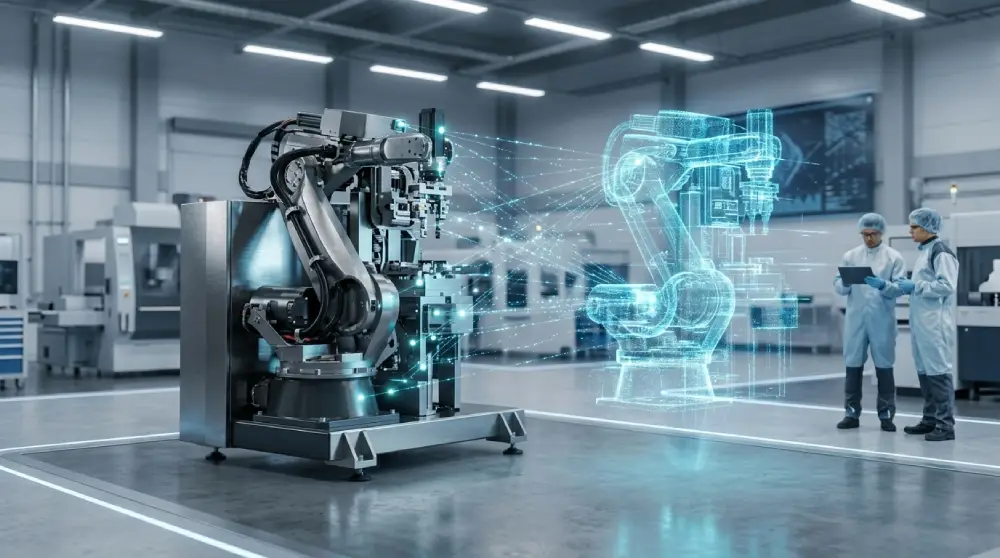
A digital twin is a virtual replica of a physical object, process, or system. It uses real world data to mirror the behavior, condition, and performance of its physical counterpart inside a digital environment.
Unlike a simple 3D model, a digital twin stays connected to its physical twin through sensors and data streams. This connection allows the virtual version to update continuously as conditions change in the real world.
The concept did not appear overnight. It grew out of engineering fields like aerospace, where teams needed reliable ways to monitor equipment that was difficult or expensive to inspect physically. Today the idea has expanded far beyond its original use.
A Simple Way to Think About It
Imagine a jet engine on an aircraft. Engineers can build a digital twin of that engine, feeding it live data on temperature, vibration, and pressure. The digital twin then reflects exactly what is happening inside the real engine at any given moment, without anyone needing to open it up.
Core Components of a Digital Twin
A digital twin is not a single piece of software. It is made up of several parts working together in harmony.
The Physical Asset
This is the real world object, machine, or environment being represented. It could be as small as a single sensor or as large as an entire city grid.
The Virtual Model
The virtual model is the digital counterpart, built using engineering data, geometry, and behavioral rules that mimic how the physical asset actually functions.
The Data Connection
Sensors and communication networks form the bridge between the physical and virtual sides, feeding continuous information into the digital model.
The Analytics Layer
Software tools sit on top of the model to interpret incoming data, run simulations, and generate insights that humans can act on.
How Do Digital Twins Work?
Digital twins rely on a combination of sensors, connectivity, and software modeling. Together these elements create a living digital copy that evolves alongside its physical counterpart.
Data Collection and Sensors
Physical assets are fitted with sensors that capture information such as temperature, speed, pressure, and usage patterns. These sensors continuously send data to the digital twin platform.
Real Time Synchronization
The collected data travels through networks and gets processed so the virtual model stays synchronized with the physical object. This constant synchronization is what separates a digital twin from a static simulation.
Simulation and Analysis
Once data flows into the system, software tools analyze it to predict outcomes, detect anomalies, and test scenarios. Engineers can run simulations on the digital twin without touching the actual physical asset.
Types of Digital Twins
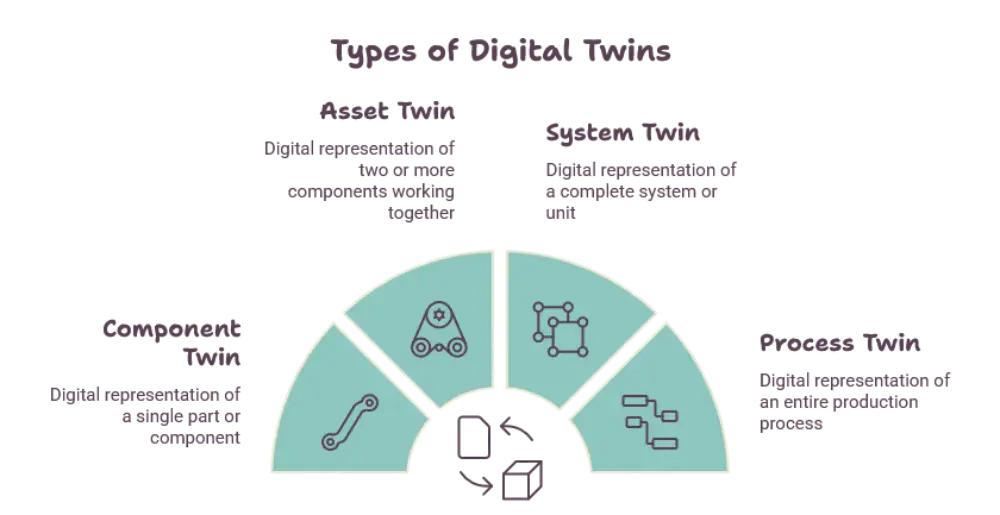
Digital twins are not all the same. They vary based on scale and purpose.
Component Twins
Component twins represent a single part, such as a valve, sensor, or motor. These are the smallest building blocks of digital twin technology.
Asset Twins
Asset twins combine multiple components to represent a full piece of equipment, like a pump or an engine. They show how individual parts interact within one machine.
System Twins
System twins model entire systems made up of multiple assets working together, such as a production line or a power grid.
Process Twins
Process twins capture how systems interact across an entire operation, helping organizations understand efficiency, timing, and workflow at a larger scale.
Industries Using Digital Twins
Manufacturing
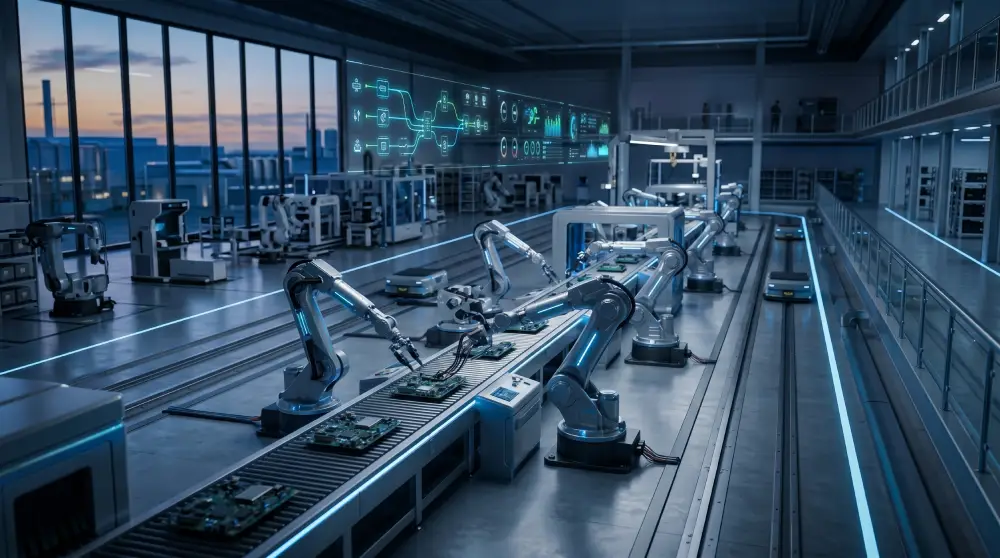
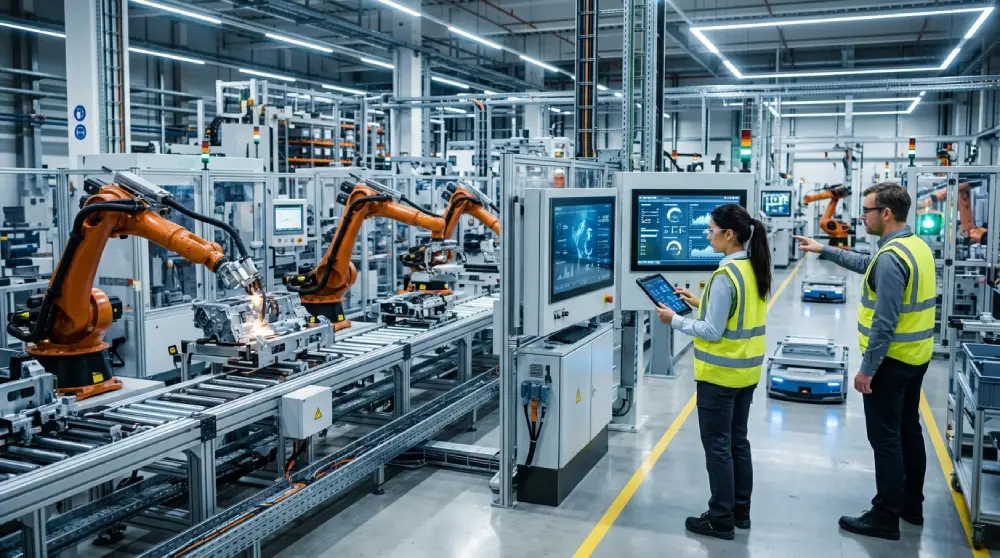
Manufacturers use digital twins to monitor equipment health, reduce downtime, and refine production processes before changes are made on the factory floor.
Healthcare
In healthcare, digital twins are being explored to model patient physiology, test treatment plans, and improve medical device design.
Smart Cities
City planners use digital twins to simulate traffic flow, energy usage, and infrastructure needs, helping create more livable and efficient urban spaces.
Automotive and Aerospace
Engineers in automotive and aerospace sectors rely on digital twins to test vehicle performance, safety, and durability under countless simulated conditions.
Energy and Utilities
Energy providers use digital twins to model power grids and renewable installations, helping balance supply and demand while reducing unexpected outages.
Benefits of Digital Twin Technology
Digital twins allow organizations to predict problems before they happen. analyzing real time data, teams can spot early warning signs of equipment issues and act before a breakdown occurs.
They also support better decision making. Instead of relying on guesswork, teams can test changes virtually and observe the outcomes before applying them to real systems.
Another major benefit is improved efficiency. Digital twins help identify bottlenecks and inefficiencies that might otherwise go unnoticed in complex operations.
Digital twins also improve collaboration. Teams across engineering, operations, and management can look at the same live model and make decisions based on shared, accurate information rather than outdated reports.
Digital Twins and Artificial Intelligence
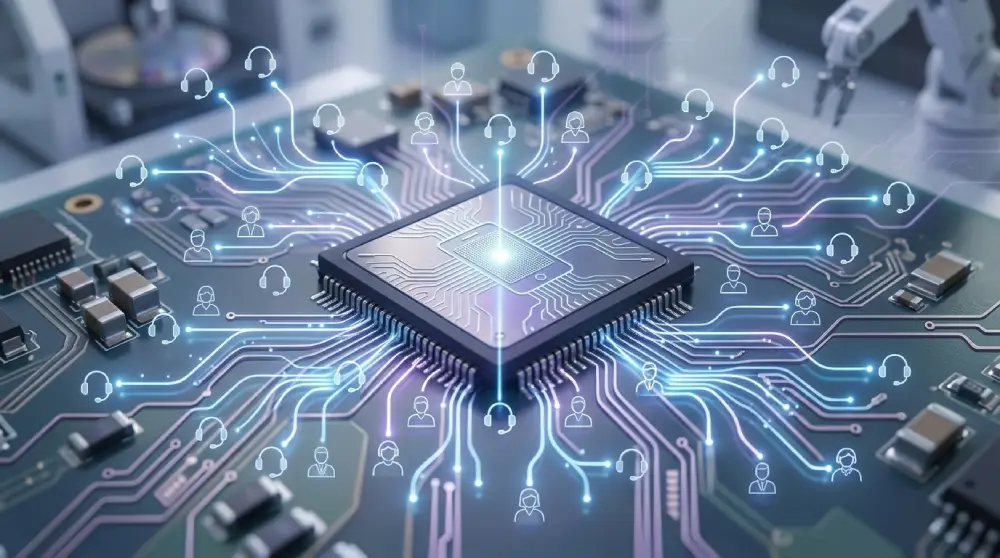
Artificial intelligence adds a powerful layer to digital twin technology. Machine learning models can study historical and live data from a digital twin to recognize patterns that humans might miss.
This partnership allows digital twins to move beyond simple monitoring. Instead of just showing what is happening, an intelligent digital twin can suggest what should happen next, helping teams act earlier and more confidently.
How Organizations Adopt Digital Twin Technology
Assessing Readiness
Before building a digital twin, organizations typically evaluate which assets or processes would benefit most from continuous monitoring and simulation.
Building a Data Foundation
A reliable digital twin depends on clean, consistent data. Organizations often start by improving how sensors and systems capture and share information.
Expanding the Twin Over Time
Most digital twins begin small, focused on a single component or asset, and grow into larger system or process twins as confidence and experience increase.
Challenges in Implementing Digital Twins
Despite their advantages, digital twins come with challenges. Integrating sensors and data systems across different platforms can be complex, especially in older facilities.
Data quality is another concern. A digital twin is only as accurate as the data feeding it, so poor or inconsistent data can lead to unreliable insights.
Organizations must also invest time in training teams to interpret and act on the information digital twins provide, since the technology only adds value when people know how to use it well.
The Future of Digital Twins
As connectivity and artificial intelligence continue to advance, digital twins are expected to become more predictive and autonomous. Future digital twins may not just mirror physical systems but actively recommend improvements on their own.
Wider adoption across smaller organizations is also likely as tools become easier to set up and maintain. Industries adopting this technology early are positioning themselves to respond faster to problems and adapt more easily to changing conditions.
Conclusion
Digital twins are transforming how industries monitor, understand, and improve physical systems. creating a living digital copy of real world assets, organizations gain insights that were once impossible to access in real time. Whether applied to a single machine or an entire city, digital twin technology continues to open new possibilities for smarter, more responsive operations.
Frequently Asked Questions
What is a digital twin in simple terms?
A digital twin is a virtual copy of a real object or system that updates using live data, allowing people to monitor and test it without touching the physical version.
How is a digital twin different from a simulation?
A simulation runs on assumed or historical data, while a digital twin stays connected to its physical counterpart and updates continuously using real time information.
What industries benefit most from digital twins?
Manufacturing, healthcare, automotive, aerospace, and smart city planning are among the industries that gain the most value from digital twin technology.
Do digital twins require sensors?
Yes, sensors are essential because they collect the real world data that keeps the digital twin synchronized with its physical counterpart
Can small businesses use digital twin technology?
Yes, digital twins can be scaled to fit smaller operations, allowing businesses of many sizes to monitor equipment and improve their processes.