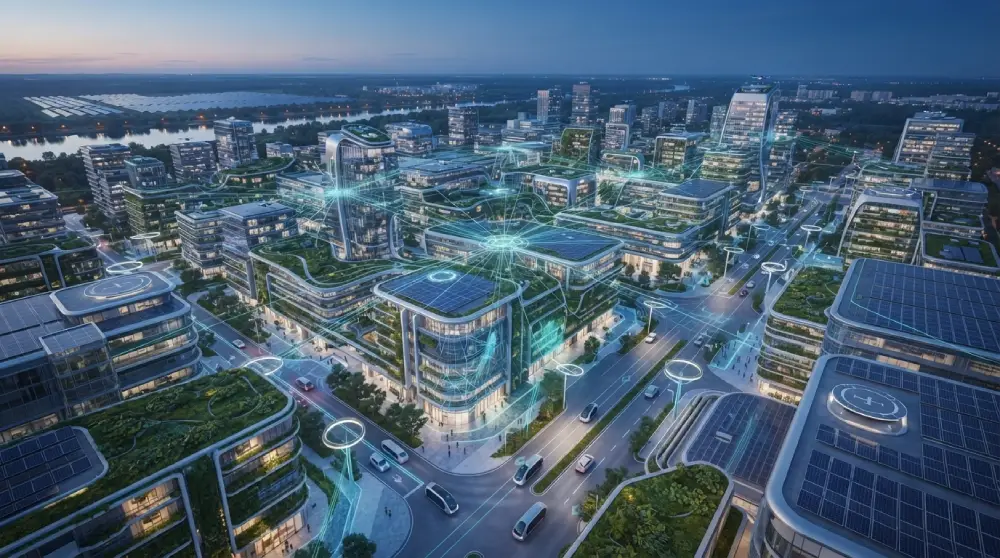
Smart Cities Technology is changing the way people live, work, and move through urban spaces. Cities around the world are adopting connected systems that make daily life easier, safer, and more efficient. From traffic management to energy use, this technology is reshaping how urban environments function at every level.
As populations grow and cities become more crowded, traditional infrastructure struggles to keep pace. Smart Cities Technology offers a practical answer by combining sensors, data, and automation to solve real world problems in real time.
What Is Smart Cities Technology
Smart Cities Technology refers to a network of digital tools, sensors, and software systems that collect and analyze data to improve urban services. These systems work together to manage resources like water, electricity, and transportation more effectively.
The goal is simple. Make cities function better by using information intelligently instead of relying purely on manual processes.
Core Components
Most smart city systems rely on connected devices known as the Internet of Things. These devices gather information from streets, buildings, and public spaces. That data is then processed to help city officials make faster and smarter decisions.
Cloud computing also plays a major role. It allows massive amounts of data to be stored and analyzed without overwhelming local servers.
Key Areas Where Smart Cities Technology Makes an Impact
Smart Transportation
Traffic congestion is one of the biggest challenges in modern cities. Smart traffic lights adjust in real time based on actual vehicle flow. Sensors detect congestion and reroute traffic before jams even form.
Public transportation also benefits. Riders can track buses and trains live, while transit authorities use data to plan more efficient routes.
Smart Energy Management
Energy grids equipped with smart meters allow utility companies to monitor usage patterns closely. This helps balance supply and demand, reduce waste, and support renewable energy integration.
Streetlights are another example. Many cities now use motion sensing lights that brighten only when needed, cutting unnecessary energy consumption.
Smart Waste Management
Waste collection has traditionally followed fixed schedules regardless of actual need. Smart sensors placed in bins now alert collection teams only when bins are full. This reduces unnecessary pickups and keeps streets cleaner.
Public Safety and Security
Connected surveillance systems, emergency response tools, and predictive analytics help law enforcement respond faster to incidents. Some cities use gunshot detection systems that alert authorities within seconds of an event.
Emergency services also benefit from real time data sharing, which improves coordination during natural disasters or major accidents.
The Role of Data in Smart Cities
Data is the foundation of every smart city initiative. Without accurate, real time information, none of these systems would function effectively.
Data Collection
Sensors placed throughout a city continuously gather information on air quality, noise levels, traffic patterns, and more. This constant stream of data provides a clear picture of how the city operates at any given moment.
Data Analysis
Raw data alone is not useful without proper analysis. Artificial intelligence and machine learning tools process this information to identify patterns and predict future needs. This allows city planners to act proactively rather than reactively.
Environmental Benefits of Smart Cities Technology
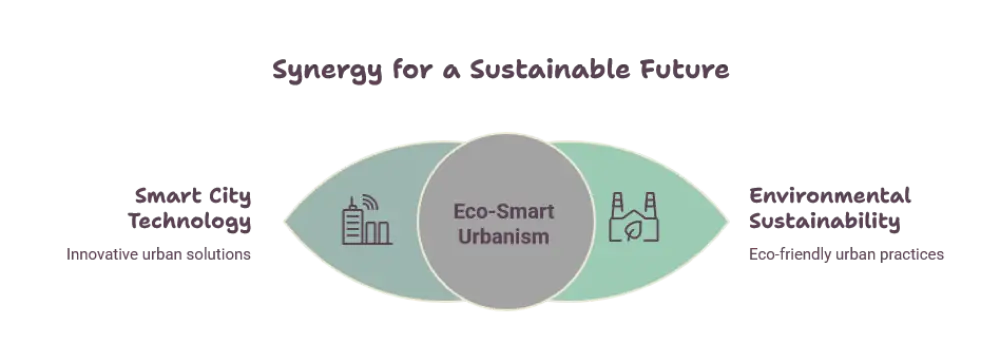
Sustainability is a major driver behind smart city adoption. Reduced energy waste, better traffic flow, and efficient resource management all contribute to lower carbon emissions.
Smart irrigation systems in public parks use weather data to water only when necessary, conserving water resources. Air quality monitors also help cities identify pollution sources and take corrective action quickly.
Green Building Integration
Modern smart buildings use automated systems to control lighting, heating, and cooling based on occupancy. This reduces unnecessary energy use while maintaining comfort for residents and workers.
Challenges Facing Smart City Development
Data Privacy Concerns
Collecting large amounts of citizen data raises valid privacy questions. Cities must implement strong safeguards to protect personal information while still benefiting from data driven insights.
Infrastructure Integration
Many cities operate on older infrastructure that was not designed with connectivity in mind. Integrating new smart systems into existing structures requires careful planning and coordination between multiple agencies.
Cybersecurity Risks
As more systems become connected, the risk of cyberattacks increases. Protecting critical infrastructure from digital threats is now a top priority for city planners and technology providers alike.
The Future of Smart Cities Technology
Emerging technologies like fiveG connectivity, edge computing, and advanced artificial intelligence will continue to expand what smart cities can achieve. Faster networks mean quicker data processing, which leads to more responsive city systems.
Autonomous vehicles, digital twins of entire cities, and fully automated public services are no longer distant concepts. They are becoming realistic parts of urban planning conversations happening right now.
Citizen Engagement
Future smart cities will likely place greater emphasis on citizen participation. Mobile apps that let residents report issues, access services, and provide feedback will become standard tools for local governments.
This shift creates a more responsive relationship between citizens and city administrations, making urban living more collaborative than ever before.
Conclusion
Smart Cities Technology is not just a passing trend. It represents a fundamental shift in how urban areas are designed, managed, and experienced by the people who live in them. From transportation and energy to safety and sustainability, these connected systems are solving longstanding urban challenges in innovative ways.
As technology continues to evolve, cities that embrace these tools will be better equipped to handle growth, environmental pressures, and the everyday needs of their residents. The smart city movement is ultimately about creating urban spaces that work smarter, not harder, for everyone who calls them home.
Frequently Asked Questions
What is Smart Cities Technology?
Smart Cities Technology refers to digital systems, sensors, and data driven tools that help cities manage resources like traffic, energy, and public safety more efficiently.
How does Smart Cities Technology improve traffic congestion?
It uses real time sensors and adaptive traffic signals that adjust based on actual vehicle flow, helping reduce delays and improve overall road efficiency.
Is Smart Cities Technology safe for personal data?
Cities that implement smart systems are expected to follow strict data privacy protocols to protect citizen information while still using data to improve services.
What role does artificial intelligence play in smart cities?
Artificial intelligence analyzes large volumes of city data to detect patterns, predict future needs, and support faster, more accurate decision making.
Will Smart Cities Technology replace traditional infrastructure completely?
Rather than replacing existing infrastructure entirely, smart technology is typically integrated into current systems to enhance their performance and efficiency over time.