The Internet of Things (IoT) is no longer a futuristic concept; it is a rapidly growing reality transforming how we live, work, and connect. As devices, systems, and applications become increasingly interlinked, IoT and connectivity are reshaping industries, homes, and urban landscapes. This article delves into the potential, benefits, and challenges of IoT, offering an insightful look at how connectivity is revolutionizing our world. Explore more about IoT and connectivity at SoundCurve.
What is the Internet of Things (IoT)?
The Internet of Things refers to a network of physical objects embedded with sensors, software, and other technologies that enable them to connect and exchange data with other devices and systems over the internet. From smart thermostats and wearable health trackers to industrial machinery and connected vehicles, IoT devices are everywhere.
Key Features of IoT:
- Interconnectivity: Devices communicate seamlessly.
- Data Collection and Analysis: Sensors gather and analyze real-time data.
- Automation: Enables smart decision-making and efficiency.
How IoT and Connectivity Are Transforming Industries
Smart Homes and Consumer Devices
IoT is bringing convenience and efficiency into our homes. Smart home devices, such as voice-activated assistants, smart refrigerators, and connected security systems, are enhancing everyday living.
- Examples: Amazon Alexa, Google Nest, Ring Doorbell.
- Benefits:
- Remote monitoring and control.
- Energy savings through automation.
- Enhanced home security.
Healthcare Revolution
IoT and connectivity are driving advancements in healthcare, making remote patient monitoring, telemedicine, and health data management more accessible.
- IoT Devices in Healthcare:
- Wearable devices like Fitbit and Apple Watch.
- Smart medical equipment for remote monitoring.
- Benefits:
- Early detection of health issues.
- Improved patient outcomes.
- Cost reduction in healthcare services.
Industrial IoT (IIoT)
In industries, IoT is streamlining operations, improving productivity, and reducing downtime.
- Applications:
- Predictive maintenance of machinery.
- Real-time supply chain monitoring.
- Automation in manufacturing processes.
- Benefits:
- Increased operational efficiency.
- Cost savings through preventive measures.
Smart Cities
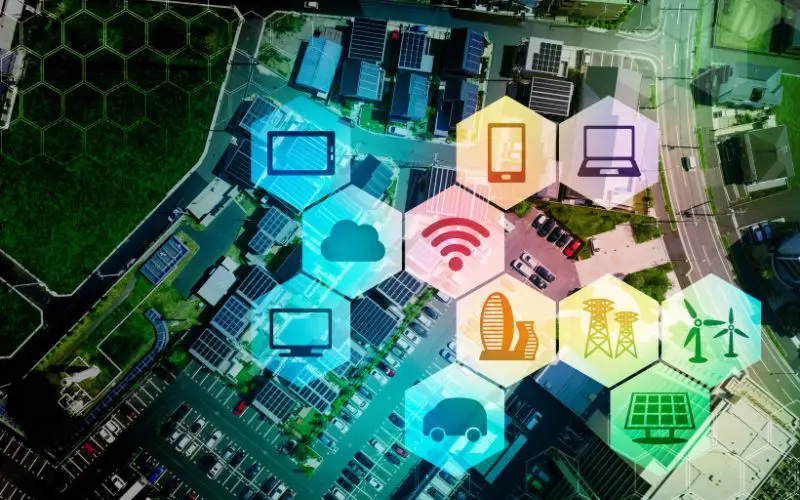
Urban areas are leveraging IoT to improve infrastructure, reduce energy consumption, and enhance the quality of life for citizens.
- Examples:
- Smart street lighting.
- Connected public transport systems.
- Waste management using IoT sensors.
- Benefits:
- Reduced environmental impact.
- Better resource allocation.
- Improved public services.
Challenges in IoT and Connectivity
Despite its potential, IoT faces several hurdles:
Security Concerns
With billions of connected devices, ensuring data security and protecting against cyber threats is paramount.
- Issues:
- Vulnerabilities in IoT devices.
- Data breaches and hacking risks.
- Lack of standardization in security protocols.
Scalability and Interoperability
Integrating diverse devices and systems while maintaining scalability remains a significant challenge.
- Solutions:
- Adoption of universal IoT standards.
- Enhanced compatibility across devices.
High Initial Costs
Implementing IoT infrastructure can be expensive, posing a barrier for small businesses and emerging economies.
- Potential Solutions:
- Investment in affordable IoT technologies.
- Government and private sector collaboration to lower costs.
Future of IoT and Connectivity
As technology evolves, the future of IoT looks promising:
5G and IoT
The rollout of 5G networks is set to revolutionize IoT by offering faster data transfer speeds and reduced latency, enabling more robust connectivity.
- Applications:
- Real-time autonomous vehicle communication.
- Advanced robotics in healthcare and manufacturing.
AI Integration
Artificial intelligence will play a pivotal role in IoT by enhancing data analysis, enabling predictive capabilities, and improving decision-making.
Sustainability
IoT will contribute to sustainability through:
- Smart energy grids.
- Water conservation systems.
- Efficient waste management solutions.
Conclusion
The Internet of Things and connectivity are reshaping our world, bringing unparalleled convenience, efficiency, and innovation. From homes and healthcare to industries and cities, IoT’s impact is undeniable. However, addressing challenges like security and scalability is essential to unlock its full potential. As technologies like 5G and AI advance, the future of IoT promises even greater possibilities. To stay ahead, businesses and individuals must embrace this transformative wave and prepare for an interconnected future.
Frequently Asked Questions
What is the Internet of Things (IoT)?
The Internet of Things (IoT) refers to a network of physical objects that are embedded with sensors, software, and technologies, enabling them to connect and exchange data with other devices over the internet. IoT devices range from smart thermostats to connected vehicles, making everyday life more efficient and interconnected.
How does IoT improve healthcare?
IoT in healthcare enables remote patient monitoring, telemedicine, and efficient health data management. Devices like wearables and smart medical equipment allow for early detection of health issues, improved patient outcomes, and cost reductions in healthcare services by minimizing hospital visits and providing real-time data.
What are the benefits of smart homes powered by IoT?
Smart homes leverage IoT to automate tasks like adjusting thermostats, controlling lights, and enhancing security. With devices such as voice-activated assistants, smart refrigerators, and connected security systems, users can remotely monitor their homes, save energy, and improve overall convenience.
What role does IoT play in smart cities?
In smart cities, IoT improves infrastructure and enhances the quality of life for residents. Examples include smart street lighting, connected public transport systems, and waste management using IoT sensors. These applications help reduce energy consumption, enhance resource allocation, and improve public services.
What are the security concerns with IoT devices?
With the increasing number of connected devices, security is a major concern in IoT. Vulnerabilities in devices, data breaches, and the lack of standardized security protocols pose significant risks. Ensuring robust security measures and standardization is crucial to mitigating these threats and protecting user data.