The Internet of Things (IoT) has quietly reshaped the way people live, work, and interact with technology. From smart speakers that respond to voice commands to sensors that monitor factory equipment, IoT connects everyday objects to the internet, allowing them to collect, share, and act on data. Understanding this technology is essential for anyone who wants to keep up with the digital transformation happening around us.
What Is the Internet of Things (IoT)
The Internet of Things refers to a network of physical devices embedded with sensors, software, and connectivity that allows them to exchange data with other devices and systems over the internet. These devices range from simple household gadgets to complex industrial machinery.
Unlike traditional computers, IoT devices often operate quietly in the background. They gather information from their surroundings and communicate it to other devices or central systems without requiring constant human input.
A Simple Way to Understand IoT
Think of IoT as giving everyday objects the ability to sense, think, and communicate. A refrigerator that tracks food freshness or a wearable device that monitors heart rate are both examples of this connected intelligence at work.
How Does the Internet of Things Work
IoT systems rely on several components working together seamlessly. Each part plays a specific role in collecting and delivering useful information.
Sensors and Devices
Sensors are the foundation of any IoT system. They detect changes in temperature, motion, light, or other environmental factors and convert this information into digital data.
Connectivity
Once data is collected, it needs a way to travel. Wi Fi, Bluetooth, cellular networks, and satellite connections all allow IoT devices to transmit information to cloud platforms or other connected devices.
Data Processing
After data reaches its destination, software analyzes it to identify patterns or trigger actions. This processing can happen instantly or be stored for later analysis.
User Interaction
Finally, users interact with the processed data through apps, dashboards, or automated responses. This is how a smart thermostat adjusts room temperature or a fitness tracker sends health alerts.
Types of IoT Applications
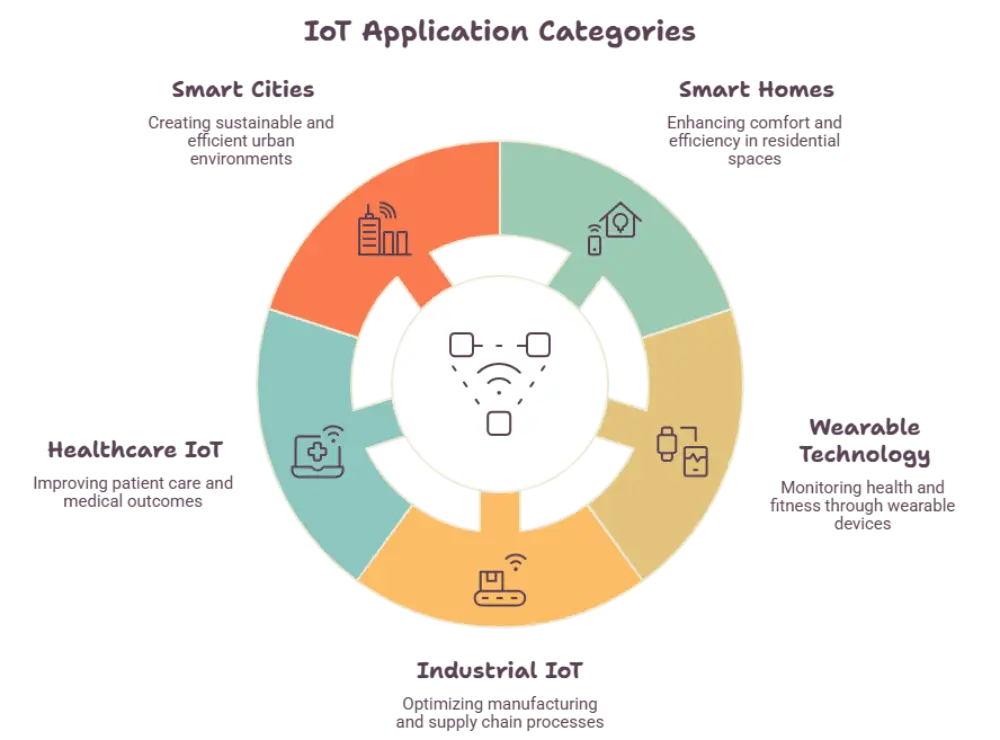
IoT technology touches nearly every industry today. Its applications continue to expand as more devices become connected.
Smart Homes
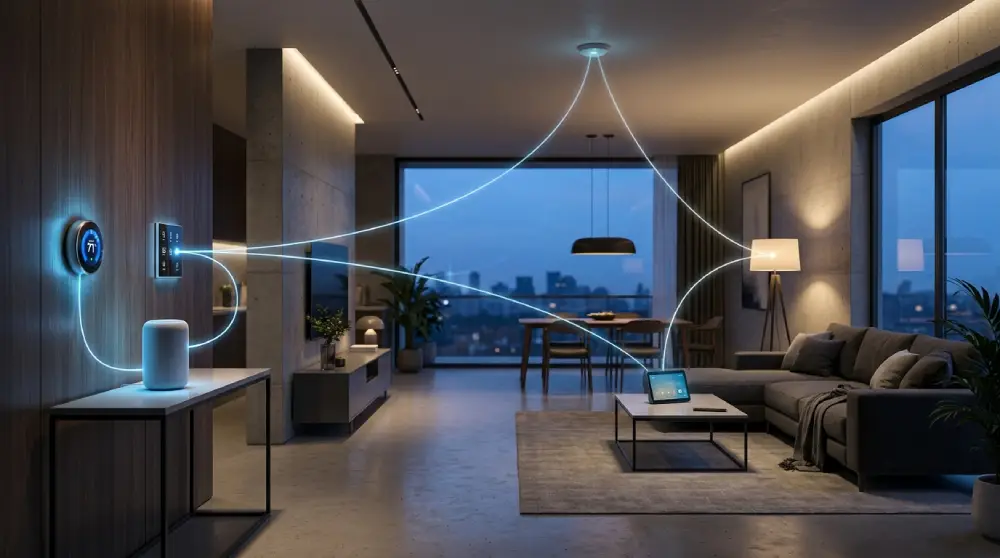
Smart home devices allow people to control lighting, security cameras, and appliances remotely. Voice assistants and smart locks have become common features in modern households.
Smart Cities
City planners use IoT sensors to manage traffic flow, monitor air quality, and optimize energy usage. These systems help create more efficient and sustainable urban environments.
Healthcare
Wearable devices and remote monitoring tools allow doctors to track patient vitals in real time. This technology supports early diagnosis and better management of chronic conditions.
Industrial IoT
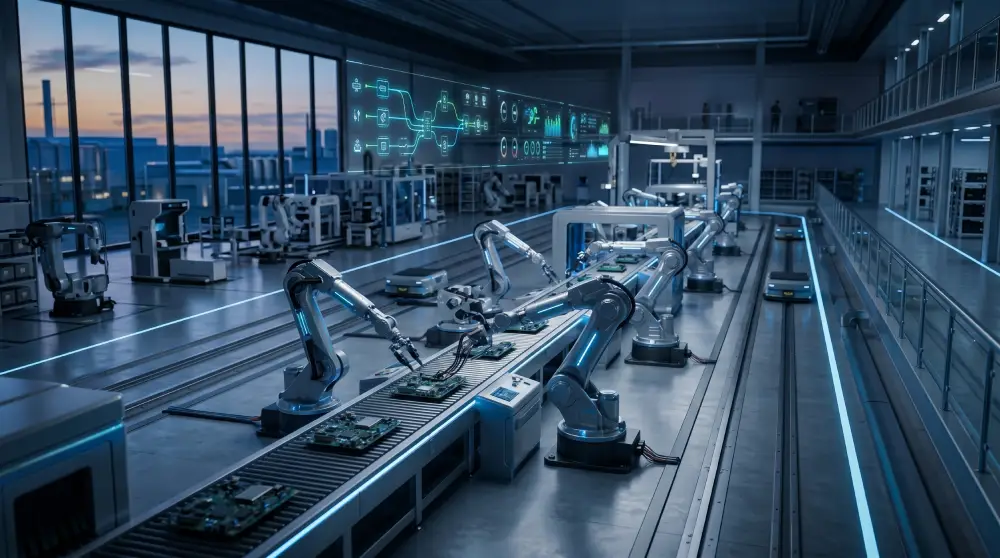
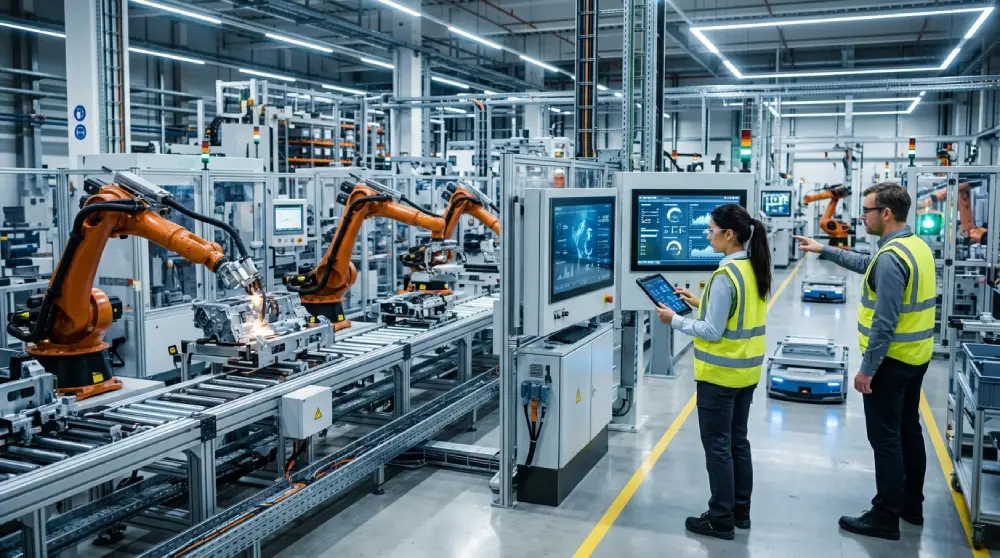
Factories use connected sensors to monitor equipment performance and predict maintenance needs. This reduces downtime and improves overall production efficiency.
Agriculture
Farmers rely on IoT sensors to monitor soil moisture, weather conditions, and crop health. This data helps improve yields while reducing resource waste.
Benefits of the Internet of Things
The growing adoption of IoT technology comes with several advantages for businesses and individuals alike.
IoT improves efficiency by automating repetitive tasks and reducing the need for manual monitoring. It also enhances decision making by providing real time data that supports faster and more accurate choices.
Another major benefit is convenience. Smart devices simplify daily routines, whether it is adjusting home temperature remotely or receiving instant alerts about equipment issues.
IoT also supports sustainability efforts. Smart energy systems help reduce waste, while precision agriculture tools promote responsible resource use.
Challenges Facing IoT
Despite its benefits, the Internet of Things faces several obstacles that must be addressed for continued growth.
Security Concerns
Connected devices can become entry points for cyberattacks if not properly secured. Manufacturers must implement strong safeguards to protect user data and device functionality.
Privacy Issues
IoT devices often collect sensitive personal information. Ensuring this data is handled responsibly remains a top priority for developers and regulators.
Interoperability
With so many manufacturers producing IoT devices, ensuring smooth communication between different systems can be difficult. Standardized protocols are needed to improve compatibility.
Data Management
The massive volume of data generated by IoT devices requires efficient storage and processing solutions. Businesses must invest in scalable infrastructure to handle this growth.
The Future of IoT
The future of the Internet of Things looks promising as new technologies continue to emerge. Artificial intelligence integration will allow devices to make smarter, more autonomous decisions.
Edge computing is also expected to play a larger role, allowing data to be processed closer to the source rather than relying entirely on cloud servers. This will improve speed and reduce latency for critical applications.
As five g networks expand, IoT devices will benefit from faster and more reliable connectivity. This will open doors to new applications in transportation, healthcare, and manufacturing.
Conclusion
The Internet of Things (IoT) continues to transform how people interact with technology in their daily lives. From smart homes to industrial automation, its applications are vast and constantly evolving.
As connectivity improves and new innovations emerge, IoT will play an even greater role in shaping a smarter, more connected future. Understanding how this technology works helps individuals and businesses prepare for the opportunities it brings.
Frequently Asked Questions
What is the Internet of Things (IoT) in simple terms?
The Internet of Things is a network of physical devices connected to the internet that can collect and share data with each other automatically.
What are some common examples of IoT devices?
Common examples include smart speakers, fitness trackers, smart thermostats, connected security cameras, and industrial sensors.
How does IoT improve everyday life?
IoT improves everyday life by automating tasks, providing real time information, and enhancing convenience through connected devices.
What industries use IoT technology the most?
Healthcare, manufacturing, agriculture, transportation, and smart city development are among the industries that rely heavily on IoT technology.
Is IoT technology secure?
IoT security depends on how well devices are designed and maintained. Strong passwords, regular updates, and encrypted connections help improve device security.