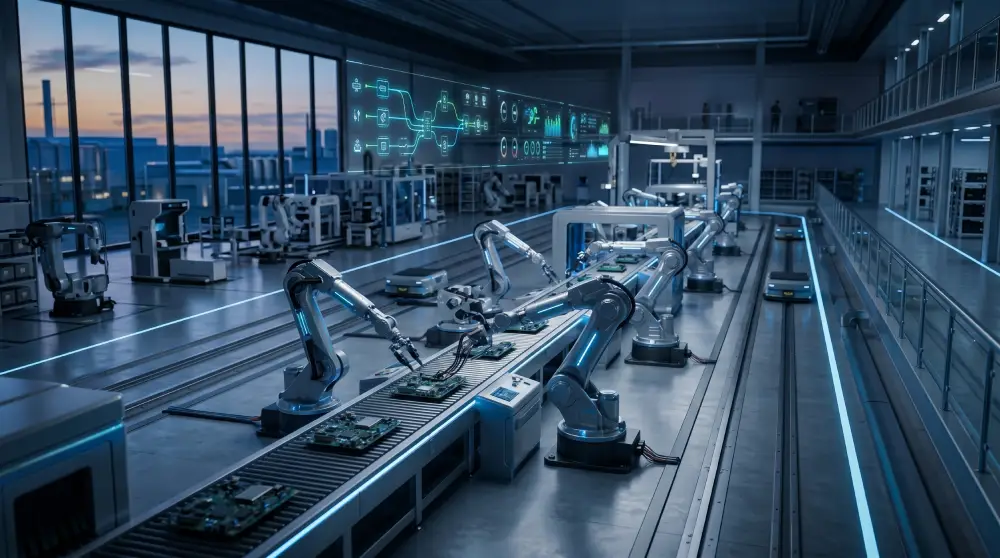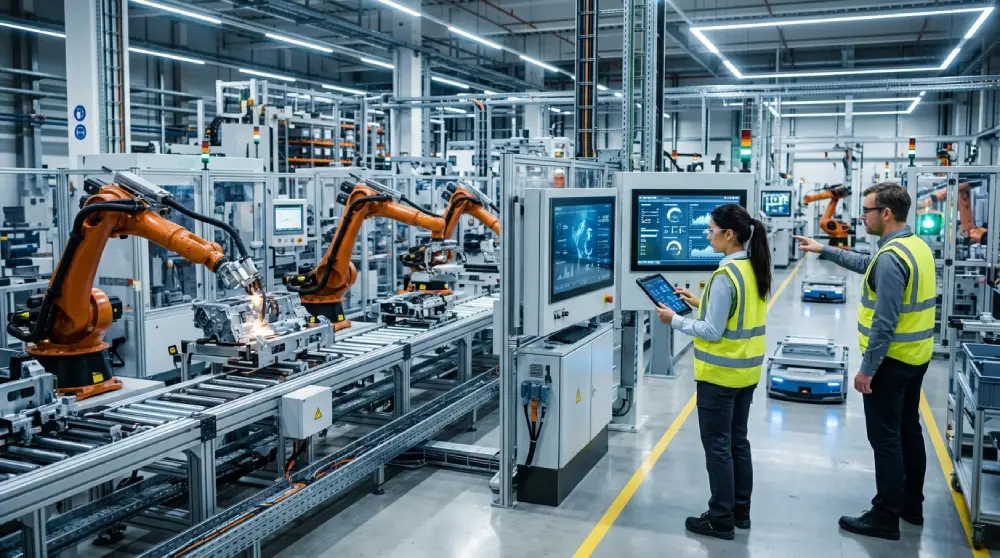
The future of artificial intelligence is set to reshape how people live, work, and interact with technology every single day. From smarter healthcare tools to intelligent virtual assistants, AI is quietly becoming the backbone of modern innovation. Understanding where this technology is heading helps individuals and businesses prepare for the changes ahead.
- Why the Future of Artificial Intelligence Matters
- Key Trends Shaping the Future of Artificial Intelligence
- Artificial Intelligence in Healthcare
- Artificial Intelligence in Education
- The Role of Artificial Intelligence in Business
- Ethical Considerations for the Future of Artificial Intelligence
- The Future Workforce and Artificial Intelligence
- Artificial Intelligence and Creativity
- Challenges on the Road Ahead
- What the Future Holds
- Conclusion
- Frequently Asked Questions
Why the Future of Artificial Intelligence Matters
Artificial intelligence is no longer a futuristic concept confined to movies. It is already part of everyday life through voice assistants, recommendation engines, and automated customer support. As the technology matures, its impact will only grow stronger across nearly every industry.
A Technology That Touches Every Sector
AI is influencing healthcare, education, transportation, agriculture, and entertainment. This widespread adoption shows that its future is not limited to tech companies alone. Almost every field will feel its presence in some form.
Key Trends Shaping the Future of Artificial Intelligence
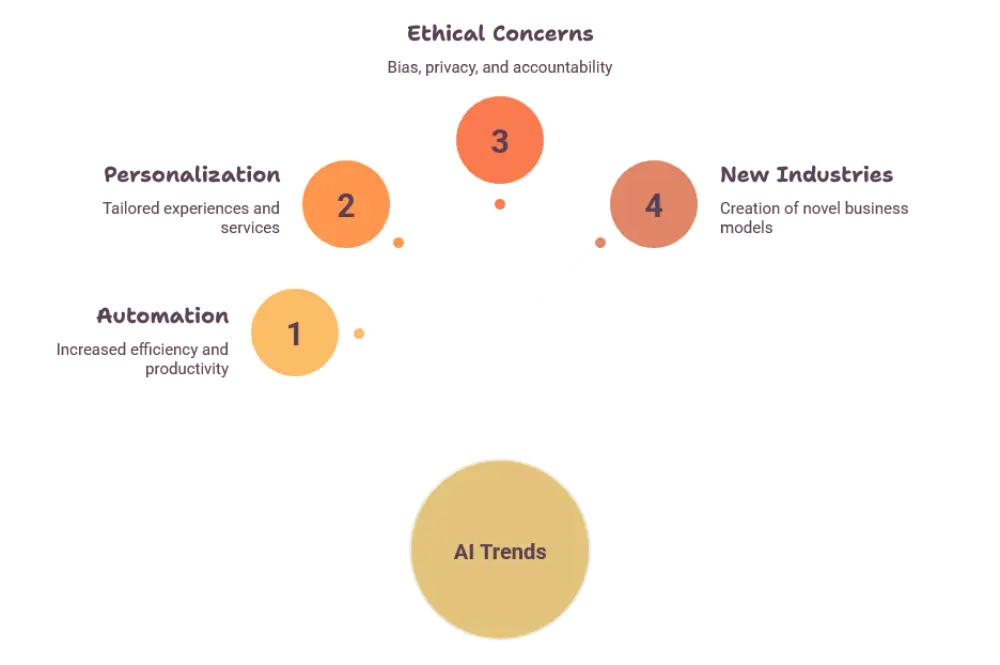
Several trends are guiding the direction AI will take in the coming years.
Smarter and More Human Like Interactions
AI systems are becoming better at understanding natural language, emotions, and context. This means conversations with chatbots and virtual assistants will feel more natural and less robotic over time.
Rise of Autonomous Systems
Self driving vehicles, drones, and automated industrial robots are becoming more capable. These systems rely on AI to make real time decisions without constant human input, improving safety and efficiency.
Personalized Experiences Everywhere
From shopping platforms to streaming services, AI will continue to tailor content and recommendations based on individual preferences. This personalization will extend into healthcare, learning platforms, and even fitness routines.
Artificial Intelligence in Healthcare
One of the most promising areas for AI growth is healthcare. Intelligent systems can already assist doctors in diagnosing diseases faster and more accurately.
Early Disease Detection
AI powered imaging tools can identify patterns in scans that might be missed by the human eye. This leads to earlier detection of conditions such as cancer and heart disease.
Virtual Health Assistants
Patients increasingly rely on AI powered apps to monitor symptoms, schedule appointments, and receive basic medical guidance, reducing pressure on healthcare systems.
Artificial Intelligence in Education
Education is another sector where AI is expected to make a lasting impact.
Adaptive Learning Platforms
AI can analyze how a student learns and adjust lessons accordingly. This personalized approach helps learners grasp concepts at their own pace rather than following a rigid curriculum.
Support for Educators
Teachers can use AI tools to automate grading, generate lesson plans, and identify students who may need extra support, allowing more time for meaningful classroom interaction.
The Role of Artificial Intelligence in Business
Companies across industries are integrating AI to improve efficiency and decision making.
Data Driven Decision Making
Businesses use AI to analyze massive amounts of data quickly, uncovering patterns that support smarter strategic choices.
Automation of Repetitive Tasks
Routine tasks such as data entry, scheduling, and basic customer queries are increasingly handled by AI systems, freeing employees to focus on more creative and strategic work.
Ethical Considerations for the Future of Artificial Intelligence
As AI becomes more powerful, ethical questions grow alongside it.
Transparency and Trust
People want to understand how AI systems make decisions, especially in sensitive areas like hiring, lending, and healthcare. Building transparent systems is essential for long term trust.
Data Privacy Concerns
As AI relies heavily on data, protecting personal information will remain a top priority for developers and organizations building these systems.
The Future Workforce and Artificial Intelligence
Many people wonder how AI will affect jobs and career paths in the years ahead.
New Job Opportunities
While some roles may be automated, new careers are emerging in AI ethics, machine learning engineering, and human AI collaboration.
Reskilling and Adaptation
Workers will need to continuously learn new skills to stay relevant as AI tools become common in everyday workplaces. Lifelong learning will become a standard part of professional life.
Artificial Intelligence and Creativity
AI is also entering creative fields such as writing, art, and music.
Collaborative Creativity
Instead of replacing human creativity, AI is increasingly used as a collaborative tool that helps artists and writers brainstorm ideas and refine their work.
New Forms of Artistic Expression
Generative AI tools are opening doors to entirely new art forms, blending human imagination with machine capability.
Challenges on the Road Ahead
Despite exciting possibilities, the future of artificial intelligence comes with real challenges that need thoughtful solutions.
Balancing Innovation with Responsibility
Developers must ensure that AI systems are safe, fair, and aligned with human values as they become more capable and widely used.
Managing Public Trust
Educating the public about how AI works can help reduce fear and misinformation, encouraging responsible adoption across society.
What the Future Holds
The future of artificial intelligence points toward a world where intelligent systems work alongside humans rather than replacing them entirely. From healthcare breakthroughs to smarter classrooms and workplaces, AI is set to become a natural extension of human capability. The key to a successful future lies in thoughtful development, ethical practices, and continuous collaboration between humans and machines.
Conclusion
The future of artificial intelligence is filled with opportunities that can transform industries, improve daily life, and open new creative possibilities. While challenges around ethics and workforce changes remain, careful and responsible development can help society enjoy the full benefits of this powerful technology. Staying informed and adaptable will be essential as AI continues to evolve in the years ahead.
Frequently Asked Questions
What is the future of artificial intelligence?
The future of artificial intelligence involves smarter, more human like systems that support healthcare, education, business, and creative industries while working alongside humans.
Will artificial intelligence replace human jobs?
AI will automate some repetitive tasks, but it will also create new job opportunities in areas like AI ethics, engineering, and human AI collaboration.
How is artificial intelligence used in healthcare?
AI helps doctors detect diseases earlier, analyze medical scans, and supports patients through virtual health assistants.
Is artificial intelligence safe for everyday use?
When developed responsibly with transparency and strong data privacy practices, AI can be safe and beneficial for everyday tasks.
How will artificial intelligence affect education in the future?
AI will personalize learning experiences, support teachers with automated tasks, and help students learn at their own pace.