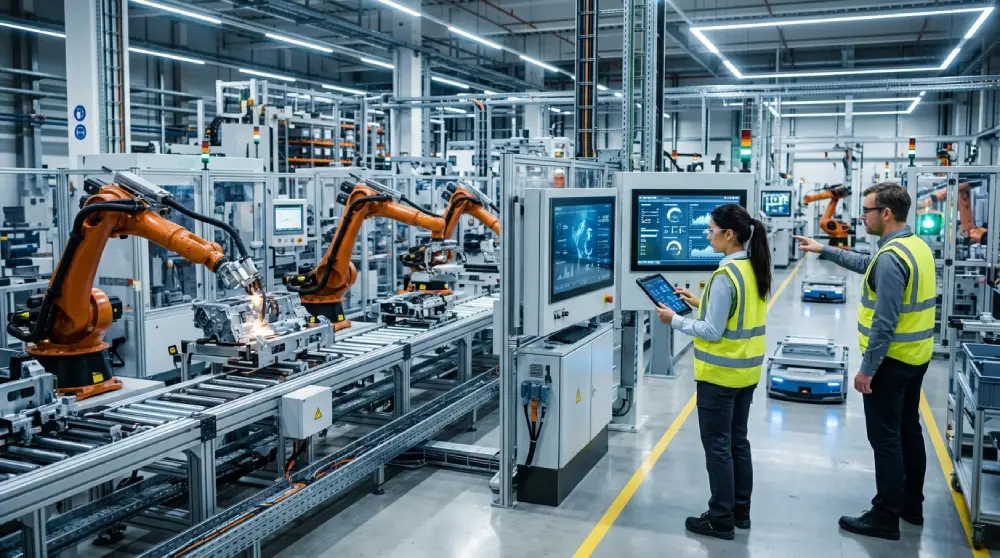
Business technology trends are changing how companies operate, communicate, and grow. From automation to cloud systems, organizations are rethinking their tools to stay relevant in a fast moving digital world. Understanding these shifts helps businesses of every size make smarter decisions and prepare for what comes next.
In this post, we will explore the most important business technology trends, why they matter, and how companies can adapt without feeling overwhelmed.
- Why Business Technology Trends Matter
- Artificial Intelligence in Everyday Business
- Cloud Computing Continues to Expand
- The Rise of Automation Across Departments
- Cybersecurity as a Core Business Priority
- The Growing Role of Data Analytics
- Sustainability Driven Technology Choices
- Collaboration Tools Reshaping Team Communication
- Preparing Your Business for Future Technology Shifts
- Conclusion
- Frequently Asked Questions
Why Business Technology Trends Matter
Technology is no longer a support function tucked away in the IT department. It sits at the center of strategy, customer experience, and daily operations. Companies that ignore emerging trends risk falling behind, while those who embrace change often find new ways to serve customers and streamline internal processes.
Staying aware of these shifts also helps businesses build resilience. Markets change quickly, and technology often determines how well a company can respond to unexpected challenges.
The Shift Toward Digital First Operations
Many businesses have moved away from paper based processes and manual workflows. Digital first operations mean that everything from communication to record keeping happens through connected systems. This shift creates smoother collaboration between teams and reduces the chances of lost information.
Artificial Intelligence in Everyday Business
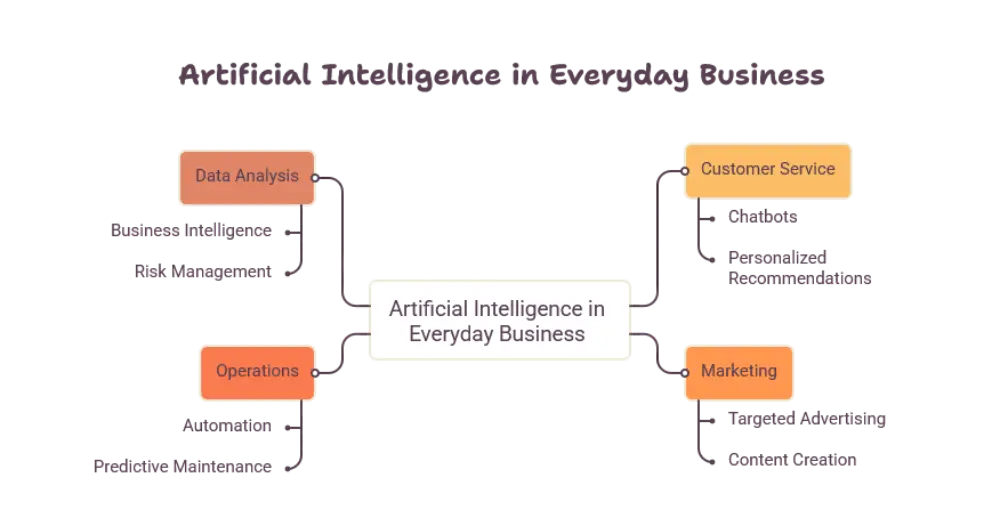
Artificial intelligence has moved beyond experimentation and into daily business use. Companies are using AI to support customer service, analyze data, and automate repetitive tasks.
Smarter Customer Interactions
AI powered chatbots and virtual assistants now handle common customer questions around the clock. This allows human teams to focus on more complex issues while customers get faster responses.
Data Driven Decision Making
AI tools help businesses process large amounts of information quickly. Instead of relying only on intuition, leaders can use real time insights to guide decisions about products, services, and operations.
Cloud Computing Continues to Expand
Cloud technology remains one of the strongest forces behind modern business operations. It allows teams to access information from anywhere, collaborate in real time, and scale systems as needs grow.
Remote and Hybrid Work Support
Cloud platforms make remote and hybrid work possible by keeping files, communication tools, and applications accessible from any location. This flexibility has become an expectation rather than a bonus for many employees.
Improved Data Storage and Security
Modern cloud providers offer advanced security features that help protect sensitive business information. Regular updates and monitoring reduce the risk of data loss or unauthorized access.
The Rise of Automation Across Departments
Automation is no longer limited to manufacturing or large enterprises. Small and medium businesses are now using automation tools to handle scheduling, invoicing, marketing, and internal approvals.
Reducing Manual Workload
Automation removes repetitive tasks from employee workloads. This allows teams to spend more time on creative problem solving and strategic planning instead of routine paperwork.
Connecting Systems Together
Modern automation tools often connect different software platforms, allowing information to flow smoothly between departments. This reduces errors and keeps everyone working with the same updated data.
Cybersecurity as a Core Business Priority
As more business activity moves online, cybersecurity has become a top concern. Companies must protect customer data, financial records, and internal communications from growing digital threats.
Employee Awareness Training
Many businesses now train employees to recognize phishing attempts and suspicious activity. Human error remains one of the biggest security risks, so awareness plays a major role in prevention.
Stronger Authentication Methods
Multi factor authentication and identity verification tools are becoming standard practice. These methods add extra layers of protection beyond traditional passwords.
The Growing Role of Data Analytics
Data analytics helps businesses understand customer behavior, market patterns, and internal performance. Instead of guessing what works, companies can rely on measurable insights.
Personalized Customer Experiences
Businesses use analytics to understand what customers want and tailor experiences accordingly. This can include personalized recommendations, targeted communication, and improved service delivery.
Performance Tracking and Improvement
Analytics tools also help businesses track internal performance. Teams can identify bottlenecks, measure productivity, and adjust strategies based on real data rather than assumptions.
Sustainability Driven Technology Choices
Environmental responsibility is influencing technology decisions across industries. Companies are adopting tools and practices that reduce waste and energy consumption.
Paperless Workflows
Digital documentation and cloud storage reduce the need for physical paper, supporting more sustainable office practices.
Energy Efficient Systems
Businesses are increasingly choosing technology solutions designed to consume less energy, aligning operational needs with environmental goals.
Collaboration Tools Reshaping Team Communication
Modern collaboration platforms have transformed how teams communicate and manage projects. These tools bring messaging, file sharing, and task management into one connected space.
Real Time Collaboration
Teams can work on documents and projects together in real time, regardless of location. This speeds up decision making and reduces communication delays.
Centralized Information Sharing
Instead of scattered emails and files, collaboration tools keep information organized in one place. This makes it easier for new team members to get up to speed and for leaders to track project progress.
Preparing Your Business for Future Technology Shifts
Adapting to business technology trends does not require a complete overhaul overnight. Companies can start small by identifying the most pressing needs and gradually integrating new tools.
Training and Employee Support
Introducing new technology works best when employees receive proper training and support. This helps teams feel confident using new systems rather than resistant to change.
Staying Flexible and Open to Change
Technology will continue evolving, so businesses benefit from staying flexible. Regularly reviewing tools and processes ensures that companies remain aligned with current best practices.
Conclusion
Business technology trends continue to reshape how companies operate, communicate, and grow. From artificial intelligence and cloud computing to automation and cybersecurity, these shifts offer new opportunities for businesses willing to adapt. staying informed and open to change, companies can build stronger, more resilient operations that are ready for whatever comes next.
Frequently Asked Questions
What are business technology trends?
Business technology trends refer to emerging tools, systems, and practices that companies adopt to improve efficiency, communication, and growth.
Why is artificial intelligence important for businesses?
Artificial intelligence helps businesses automate tasks, understand customer behavior, and make faster, data driven decisions.
How does cloud computing benefit companies?
Cloud computing allows teams to access information from anywhere, supports remote work, and improves collaboration across departments.
What role does cybersecurity play in modern business?
Cybersecurity protects sensitive business and customer data from digital threats, making it a core part of daily operations.
How can a business start adapting to new technology trends?
Businesses can begin by identifying key needs, introducing tools gradually, and providing employees with proper training and support.