Key Highlights: Learn simple home remedies to clear a clogged drain using baking soda and boiling water. Understand the fizzy chemical reaction of vinegar and baking soda to break down grime. Discover why harsh chemicals can damage your pipes and when to avoid them. Find out which essential tools you should have at home for basic drain care. Recognize the signs that indicate it’s time to call a professional plumber. Explore the benefits of professional drain cleaning services for stubborn blockages and prevention.
Introduction
A slow or completely clogged drain is a frustrating problem that can disrupt your entire day. From a kitchen sink that won’t empty to a shower that pools with water, drain issues are a common headache for homeowners. The good news is that you have options. This guide offers the best methods for drain cleaning, from simple DIY fixes to knowing when it’s time to call for professional help. Keeping your plumbing system running smoothly is easier than you think.
Understanding the Importance of Regular Drain Cleaning
Keeping your drains clean is a key part of home maintenance that many people overlook until there’s a problem. Regular maintenance helps prevent the buildup of organic matter and other debris in your drain lines, ensuring water flows freely and avoiding surprise clogs.
Proactive care protects your entire plumbing system, including connections to your water heater and other appliances. Instead of waiting for a blockage, simple cleaning routines can save you from needing emergency plumbing services. Next, we’ll explore why this matters and the common culprits behind clogs.
Why Clean Drains Matter for Home Maintenance
Regular drain cleaning is more than just fixing a slow drain; it’s about protecting your home’s plumbing system. When you ignore your drains, grease, hair, soap, and other debris build up over time. This can lead to stubborn clogs that are difficult to remove and may even cause your pipes to corrode or break.
Maintaining your kitchen sink and bathroom sink prevents foul odors from developing. Bacteria feeding on trapped waste can create unpleasant smells that linger in your home. A simple cleaning routine keeps your drains smelling fresh and working correctly.
Ultimately, preventative drain cleaning saves you money and stress. avoiding major blockages, you reduce the risk of water damage and costly repairs. A healthy plumbing system is a vital part of a well-maintained home, and it all starts with clean drains.
Common Causes of Drain Clogs in Kitchens and Bathrooms
Have you ever wondered what’s actually causing your drains to back up? In kitchens and bathrooms, clogs are usually caused by a mix of materials that build up over time. Understanding these causes can help you prevent minor clogs from turning into major problems.
In the kitchen sink drain, the primary culprits are fats, oils, and grease. When you pour these down the drain, they cool, solidify, and stick to the inside of your pipes. Food scraps and coffee grounds add to this buildup, creating a stubborn blockage. In the bathroom, the main issue is often a combination of hair and soap residue, which binds together to block the drain opening.
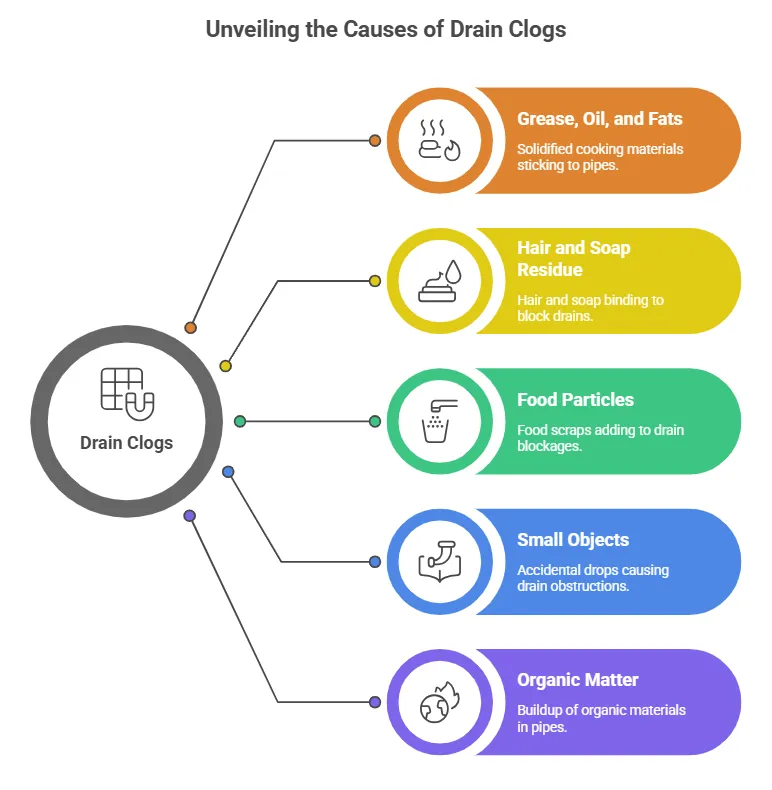
Common causes of drain clogs include:
- Grease, oil, and fats from cooking
- Hair and soap residue
- Food particles from plates
- Small objects accidentally dropped down the drain
- Buildup of organic matter
Top DIY Methods for Cleaning Drains at Home
Before you reach for a bottle of harsh chemicals, many effective home remedies can clear a clogged drain. These DIY methods use common household items, making them a safe and affordable first step. Simple solutions like baking soda and boiling water can often resolve minor issues without any risk to your pipes.
For slightly more stubborn clogs, you might need a simple tool like a drain snake. These approaches are often all you need to get your drains flowing freely again. Let’s look at a few of the most popular and effective techniques you can try yourself.
Using Baking Soda and Vinegar for Effective Results
One of the most popular home remedies for a clogged drain is the combination of baking soda and vinegar. This method is effective because it creates a chemical reaction that can break down grime and buildup. The fizzy reaction helps loosen debris stuck inside your pipes, allowing it to be flushed away easily.
This technique is especially useful for clearing away grease and soap scum. While it may not work on severe clogs caused by solid objects, it’s a great first-line defense for slow drains. It’s a safe and natural alternative to harsh chemical cleaners.
Here’s how to use it:
- Pour about a half-cup of baking soda down the drain.
- Follow it with a cup of vinegar.
- Let the fizzy reaction work for about an hour.
- Flush the drain with hot water to clear the loosened debris.
The Salt and Boiling Water Technique
If you need another simple yet powerful method, look no further than salt and boiling water. This technique is an excellent alternative to chemical cleaners and uses items you already have in your kitchen. The abrasive nature of salt helps scrub the inside of your pipes, while the boiling water dissolves grease and washes everything away.
This method is particularly effective for kitchen sinks where grease buildup is common. It’s a safe, non-toxic way to maintain your drains and prevent stubborn blockages before they start. You can use this technique regularly as a preventative measure.
To try this method, follow these steps:
- Pour a half-cup of salt down the drain opening.
- Carefully pour a kettle of boiling water down the drain.
- Let it sit for about 15 minutes, then flush with more hot water to clear any remaining debris.
Essential Tools Every Homeowner Should Have for Drain Cleaning
Sometimes, a simple home remedy isn’t enough. Having a few basic tools on hand can make all the difference in clearing a stubborn clog yourself. These tools are inexpensive, available at any hardware store, and can save you from needing to call a plumber for a minor issue.
A rubber plunger is a must-have for creating pressure to dislodge clogs in sinks and toilets. For clogs caused by hair, a drain snake or even a straightened wire coat hanger can be used to pull the blockage out manually. Sealing the overflow opening with a wet cloth can also help create a better seal when plunging a sink.
Here are some essential tools to keep at home:
| Tool | Purpose |
|---|---|
| Rubber Plunger | Uses suction to dislodge clogs in sinks, tubs, and toilets. |
| Drain Snake | A flexible tool that reaches into drains to pull out or break up clogs. |
| Bent Wire Coat Hanger | A simple DIY tool for fishing out hair and gunk from drains. |
Advice on Safe Use of Chemical and Enzyme-Based Drain Cleaners
When DIY methods fail, you might be tempted to use commercial drain cleaners. It’s important to know the difference between chemical and bioenzymatic options. Chemical drain cleaners often contain sodium hydroxide or other toxic chemicals that work fast but can damage your pipes and harm the environment.
Bioenzymatic drain cleaners offer a safer alternative. They use natural bacteria to eat away at organic waste without damaging your plumbing. Understanding when and how to use each type can help you make a smart choice for your home.
When and How to Use Chemical Drain Cleaners Safely
Chemical drain cleaners should always be a last resort. While they can be effective, their harsh chemicals pose risks to you and your plumbing. These cleaners can generate heat, which may damage PVC pipes or older metal pipes. They are not recommended for regular maintenance.
If you must use a chemical cleaner, it’s crucial to follow the safety instructions on the label precisely. Never mix different chemical drain cleaners, as this can create dangerous toxic fumes. Ensure the area is well-ventilated and wear protective gloves and eyewear.
For safe use, keep these points in mind:
- Read and follow all manufacturer instructions carefully.
- Wear gloves and eye protection.
- Never mix cleaners.
- Use them sparingly and only for very stubborn clogs when other methods have failed.
Benefits of Bioenzymatic Drain Cleaners for Routine Maintenance
For safe and effective routine maintenance, bioenzymatic drain cleaners are an excellent choice. Unlike their harsh chemical counterparts, these cleaners use strains of bacteria and enzymes that naturally feed on organic matter like grease, hair, and food waste. This process breaks down buildup without harming your pipes.
Because they work more slowly and gently, bioenzymatic cleaners are perfect for preventing clogs before they start. Using them regularly helps maintain a healthy plumbing system. They are also safe for septic systems and are a much more environmentally friendly option.
incorporating bioenzymatic cleaners into your monthly cleaning schedule, you can keep your drains flowing smoothly and avoid the need for more aggressive treatments. It’s a proactive approach that protects your plumbing for the long term.
Knowing When to Call a Professional Drain Cleaning Service
While DIY methods are great for minor issues, some problems require an expert. If you’ve tried everything and the clog won’t budge, or if the problem keeps coming back, it’s time to call a professional plumber. Professionals have the tools and expertise to handle deep or severe blockages in your drain lines.
Ignoring persistent drain problems can lead to more serious issues, including water damage or sewer backups. Professional drain cleaning services can diagnose the root cause and provide a lasting solution. Let’s review the signs that tell you it’s time to make that call.
Signs Your Drain Needs Immediate Professional Attention
Some drain issues are clear signals of a bigger problem that requires a professional plumber. If you notice persistent slow drainage in multiple fixtures, it could point to a blockage deep within your plumbing system. This is not something a home remedy can fix.
Severe clogs that don’t respond to plunging or snaking also need expert attention. A professional has specialized equipment to clear deep blockages without damaging your pipes. Foul odors that won’t go away might also indicate a problem in the main sewer line.
Look out for these signs that you need immediate help:
- Water backing up into other drains
- Multiple clogged drains at once
- Recurring clogs that keep coming back
- Foul odors coming from your drains
- Gurgling sounds from pipes
Choosing the Best Drain Cleaning Services in Philadelphia
When you need professional help, choosing the right company is crucial. Look for a plumbing services provider in Philadelphia with a reputation for reliability and quality work. A company with extensive experience in drain cleaning will have the right tools and knowledge to solve your problem efficiently.
Don’t just choose the first name you find. Read reviews, ask for recommendations from neighbors, and check that the plumber is licensed and insured. A trustworthy professional plumber will be transparent about pricing and the work that needs to be done.
Here’s what to look for in a drain cleaning service:
- Positive customer reviews and testimonials
- Proof of license and insurance
- Extensive experience with various drain issues
- Clear, upfront pricing
- A wide range of plumbing services offered
Preventing Future Drain Blockages
The best way to deal with clogs is to stop them from happening in the first place. Simple preventive maintenance can keep your kitchen sink drain, tub drains, and other drains flowing smoothly. Being mindful of what goes down your drains is the most important step.
adopting a few smart habits, you can significantly reduce the risk of blockages. This includes properly using your garbage disposal and regularly flushing your drains. Let’s look at some daily practices and a recommended cleaning schedule to keep your plumbing in top shape.
Smart Habits to Keep Drains Flowing Freely
Adopting a few good habits can make a huge difference in preventing clogs. Regular maintenance doesn’t have to be complicated. In the kitchen, always scrape food scraps into the trash before rinsing dishes. If you have a garbage disposal, run plenty of cold water while it’s on and for a few seconds after to flush particles through.
In the bathroom, use a drain cover to catch hair before it goes down the drain. Avoid flushing anything other than toilet paper. Regularly flushing drains with hot water can also help dissolve soap scum and grease buildup before it becomes a problem.
Here are some smart habits to adopt:
- Avoid pouring grease, oil, or coffee grounds down the sink.
- Use a drain strainer to catch hair and food particles.
- Run cold water when using the garbage disposal.
- Once a week, flush drains with hot water.
- Freshen drains with baking soda and lemon juice.
How Often Should You Clean Your Home Drains?
Consistency is key when it comes to regular maintenance. How often you should perform drain cleaning depends on the usage. High-traffic drains, like the kitchen sink, benefit from more frequent attention. A weekly flush with hot water can prevent grease from building up.
For the bathroom sink and shower, where hair and soap scum are the main issues, cleaning the drain stoppers and using a natural cleaner once a month is a good practice. This helps prevent the slow accumulation of debris that leads to clogs.
Here is a general guideline for your drain cleaning schedule:
- Kitchen Sink: Flush with hot water weekly and use a bioenzymatic cleaner monthly.
- Bathroom Sinks and Tubs: Clean stoppers and use a cleaner monthly.
- All Drains: Schedule a professional inspection every year or two to catch potential issues early.
Conclusion
In conclusion, keeping your drains clean is essential for maintaining a healthy home environment. understanding the importance of regular drain cleaning and applying the DIY methods outlined in this blog, you can effectively prevent clogs and ensure smooth drainage. Whether it’s using natural solutions like baking soda and vinegar or knowing when to call in professionals, making drain maintenance a priority will save you time and money in the long run. Remember, adopting smart habits will not only keep your drains flowing freely but also contribute to the overall well-being of your plumbing system. For more personalized advice or to schedule a professional service, feel free to reach out to us!
Frequently Asked Questions
Are baking soda and vinegar really effective for cleaning drains?
Yes, baking soda and a cup of vinegar can be effective for a minor clogged drain. The chemical reaction creates a fizzy reaction that helps loosen light buildup like grease and soap scum. While it won’t clear severe blockages, it’s a great natural option for regular maintenance and slow drains.
Can professional drain cleaning help prevent sewer backups?
Absolutely. Professional drain cleaning services can prevent sewer backups. A professional plumber uses powerful tools to thoroughly clear your main drain lines of tough clogs, tree roots, and other debris that you can’t reach. This preventative service ensures your system flows freely and reduces the risk of messy backups.
Is it safe to use chemical drain cleaners for regular maintenance?
No, it is not safe to use chemical drain cleaners for regular maintenance. These products contain harsh chemicals and toxic chemicals like sodium hydroxide that can corrode your pipes over time. They should only be used as a last resort, not for routine cleaning, to avoid long-term damage.