5G technology benefits are transforming the way people live, work, and communicate across the globe. As the fifth generation of wireless technology, 5G offers faster speeds, lower latency, and greater reliability than any network before it. From smart homes to industrial automation, the impact of 5G is being felt in nearly every sector. In this article, we will explore what makes 5G so powerful and why its benefits matter for individuals, businesses, and entire industries.
What Is 5G Technology
5G is the latest generation of mobile network technology, designed to replace and improve upon 4G LTE. It uses advanced radio frequencies and network architecture to deliver data at incredible speeds while supporting a massive number of connected devices at once. Unlike previous generations, 5G was built with modern demands in mind, including the rise of the Internet of Things, smart cities, and real time applications.
How 5G Differs From 4G
While 4G focused mainly on mobile browsing and streaming, 5G is designed for a much broader range of use cases. It supports higher bandwidth, reduced latency, and improved network capacity. This means 5G is not just an upgrade for phones, but a foundation for entire industries to build smarter systems.
Key Benefits of 5G Technology
Faster Internet Speeds
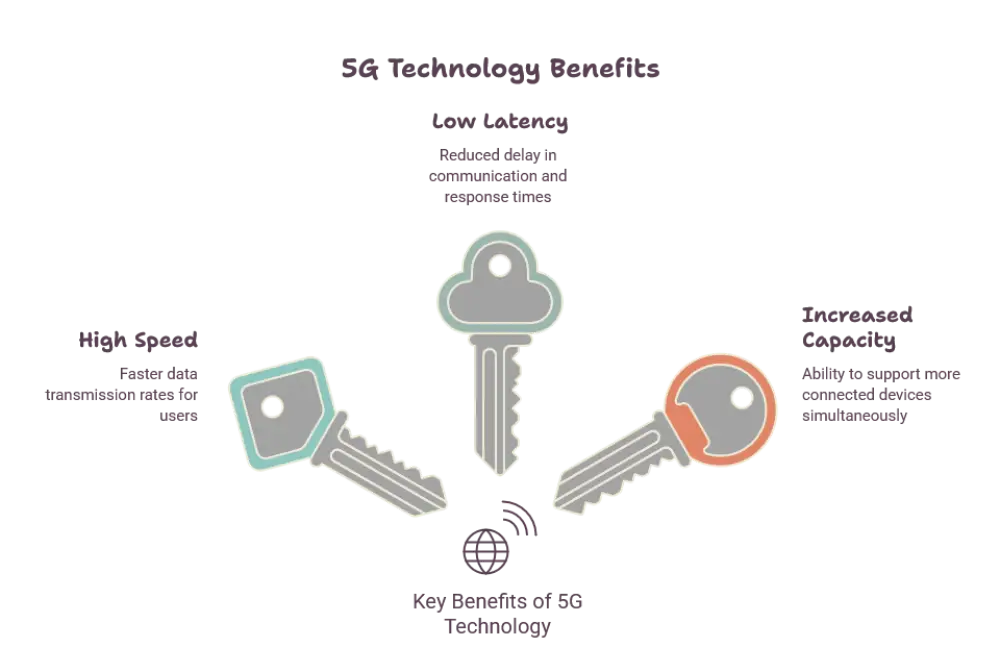
One of the most noticeable 5G technology benefits is speed. Downloads that once took minutes can now happen in seconds. Streaming high definition and even ultra high definition content becomes smoother, with little to no buffering. This speed boost enhances everything from video calls to online gaming.
Lower Latency for Real Time Applications
Latency refers to the delay between sending and receiving data. 5G dramatically reduces this delay, making it ideal for applications that require instant responses. This includes remote surgery, autonomous vehicles, and live broadcasting, where even a small delay can cause major issues.
Massive Device Connectivity
5G networks can support a significantly higher number of connected devices in a single area compared to 4G. This is essential as smart homes, wearable devices, and industrial sensors continue to grow in number. Businesses can rely on 5G to keep every device connected without network congestion.
Improved Network Reliability
Reliability is crucial for critical systems such as healthcare monitoring, public safety, and financial services. 5G offers more stable connections, reducing dropped calls and interrupted data transfers. This reliability builds trust in mission critical applications.
Enhanced Mobile Experience
With 5G, mobile users enjoy smoother video streaming, faster app loading times, and better performance in data heavy apps like augmented reality and virtual reality. This creates a more immersive and enjoyable digital experience for everyday users.
Industry Specific Benefits of 5G Technology
Healthcare
5G enables remote patient monitoring, telemedicine, and even robotic assisted surgeries. Doctors can access real time data and communicate instantly with patients, improving diagnosis and treatment speed.
Manufacturing and Industry
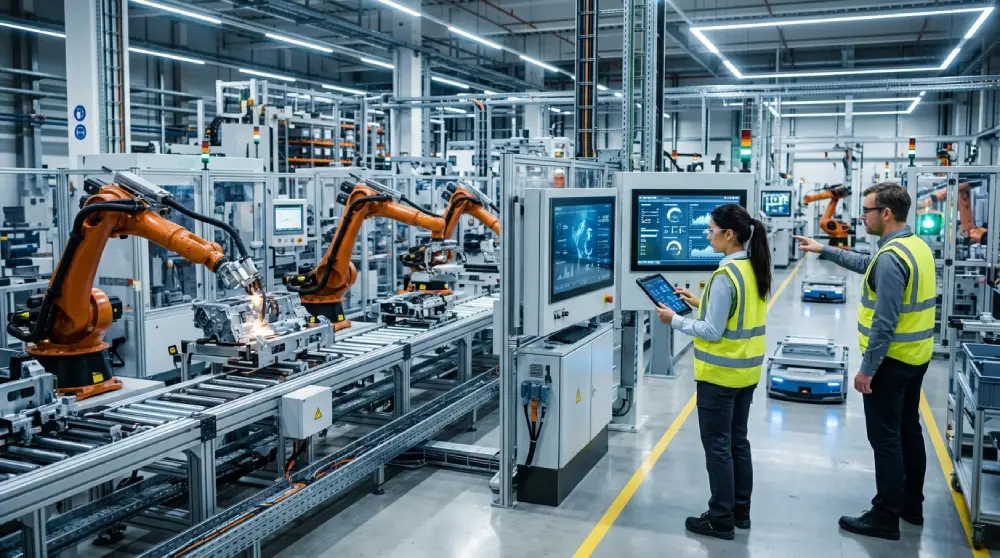
Factories are using 5G to power automation, robotics, and predictive maintenance. Machines communicate with each other instantly, improving efficiency and reducing downtime.
Transportation and Smart Cities
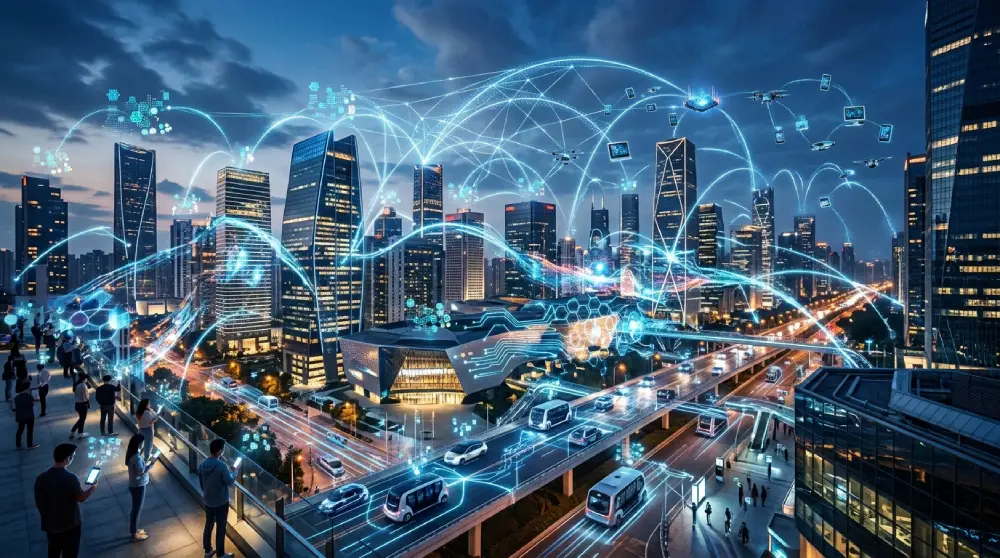
Self driving vehicles rely heavily on 5G for real time navigation and safety data. Smart traffic systems also use 5G to manage congestion and improve road safety across cities.
Education
Remote learning benefits from 5G through smoother video conferencing, faster access to online resources, and support for immersive learning tools such as virtual classrooms.
Entertainment and Media
Streaming platforms, gaming services, and live events benefit from 5G through higher quality content delivery and reduced lag, creating a more engaging entertainment experience.
Environmental and Economic Benefits of 5G
5G networks are designed to be more energy efficient per unit of data compared to earlier generations. This efficiency supports sustainability goals as data usage continues to rise. Additionally, industries adopting 5G often see improved productivity through automation and smarter resource management, contributing to broader economic growth.
Challenges to Consider Alongside 5G Benefits
While the benefits of 5G are significant, it is important to acknowledge that widespread adoption requires infrastructure development and coverage expansion. Some regions may take longer to experience full 5G capabilities. However, as networks continue to expand, more users and industries will gain access to these advantages.
The Future of 5G Technology
As 5G networks mature, we can expect even greater innovation across smart cities, connected healthcare, autonomous transportation, and immersive digital experiences. The technology lays the groundwork for future advancements such as 6G, further pushing the boundaries of connectivity.
Conclusion
5G technology benefits go far beyond faster smartphones. This next generation network is reshaping healthcare, manufacturing, transportation, education, and entertainment through faster speeds, lower latency, and stronger connectivity. As adoption continues to grow, individuals and businesses alike will experience a smarter, more connected world powered by 5G.
Frequently Asked Questions
What are the main benefits of 5G technology?
5G offers faster internet speeds, lower latency, stronger network reliability, and the ability to connect many devices at once, improving both personal and industrial applications.
How is 5G different from 4G?
5G provides significantly faster speeds, reduced latency, and greater device capacity compared to 4G, making it suitable for advanced technologies like autonomous vehicles and smart cities.
Which industries benefit the most from 5G?
Healthcare, manufacturing, transportation, education, and entertainment are among the industries seeing major improvements through 5G adoption.
Does 5G improve mobile gaming and streaming?
Yes, 5G reduces lag and buffering, allowing smoother gaming experiences and higher quality video streaming on mobile devices.
Is 5G more energy efficient than previous networks?
Yes, 5G is designed to be more energy efficient per unit of data, supporting sustainability efforts as global data usage continues to increase.