AI in Healthcare is no longer a futuristic idea, it is a present day reality reshaping how doctors diagnose illness, how hospitals operate, and how patients experience treatment. From predicting diseases before symptoms appear to automating administrative work, artificial intelligence is quietly becoming one of the most powerful tools in modern medicine. This shift is not just about technology, it is about improving outcomes, saving time, and giving healthcare professionals better tools to save lives.
In this post, we will explore how AI is changing the healthcare landscape, the areas where it is making the biggest impact, the challenges it faces, and what the future may look like for patients and providers alike.
Understanding the Role of AI in Modern Medicine
Artificial intelligence in healthcare refers to the use of machine learning, natural language processing, computer vision, and predictive analytics to support clinical and administrative tasks. Instead of replacing doctors, AI acts as an assistant that processes massive amounts of data far faster than any human could, helping medical professionals make more informed decisions.
Hospitals generate enormous volumes of information every day including lab results, imaging scans, patient histories, and real time monitoring data. AI systems are trained to identify patterns within this data that might otherwise go unnoticed, allowing for earlier detection of conditions and more personalized treatment plans.
How AI Is Improving Diagnosis and Detection
Early and Accurate Disease Detection
One of the most impactful uses of AI in healthcare is in diagnostics. Machine learning models can analyze X rays, MRIs, and CT scans with remarkable accuracy, often spotting abnormalities that are difficult for the human eye to catch. This is especially valuable in detecting cancers, fractures, and neurological disorders at earlier and more treatable stages.
Predictive Analytics for Preventive Care
AI does not just detect existing conditions, it can also predict future health risks. analyzing a patient’s medical history, lifestyle data, and genetic information, AI models can flag individuals who are at higher risk for conditions such as diabetes, heart disease, or stroke. This allows healthcare providers to intervene early with preventive care strategies rather than waiting for symptoms to worsen.
AI in Treatment Planning and Personalized Medicine
Every patient responds differently to treatment, and AI is helping doctors move away from a one size fits all approach. analyzing genetic markers, treatment history, and outcomes from similar cases, AI systems can recommend personalized treatment plans tailored to an individual’s unique biology.
This is particularly transformative in oncology, where AI assists doctors in selecting the most effective chemotherapy combinations or identifying candidates for targeted therapies based on tumor genetics.
Supporting Drug Discovery and Development
Traditional drug discovery is a long and complex process. AI is accelerating this by simulating how different compounds interact with the human body, helping researchers identify promising drug candidates much faster than conventional laboratory methods. This has proven especially valuable during global health emergencies, where speed in developing treatments can save countless lives.
AI Powered Virtual Health Assistants and Chatbots
Patients today expect quick answers and accessible care, and AI powered virtual assistants are meeting that demand. These tools can answer basic medical questions, help schedule appointments, remind patients to take medication, and even monitor chronic conditions remotely.
Improving Patient Engagement
Virtual assistants also play a role in keeping patients engaged in their own care journey. sending reminders, tracking symptoms, and providing educational resources, these tools help patients stay proactive about their health between doctor visits.
Reducing the Burden on Healthcare Staff
handling routine inquiries and administrative tasks, AI chatbots free up doctors and nurses to focus on more complex and urgent patient needs, ultimately improving the overall quality of care.
Streamlining Hospital Operations with AI
Beyond direct patient care, AI is transforming how hospitals and clinics operate behind the scenes.
Efficient Resource Management
AI systems can predict patient inflow, helping hospitals allocate staff, beds, and equipment more effectively. This is especially useful during flu seasons or public health crises when demand for medical resources can spike unexpectedly.
Reducing Administrative Workload
Medical documentation and billing are notoriously time consuming. AI powered tools can automatically transcribe doctor patient conversations, generate clinical notes, and process insurance claims, reducing paperwork and allowing medical staff to spend more time with patients.
The Role of AI in Remote Patient Monitoring
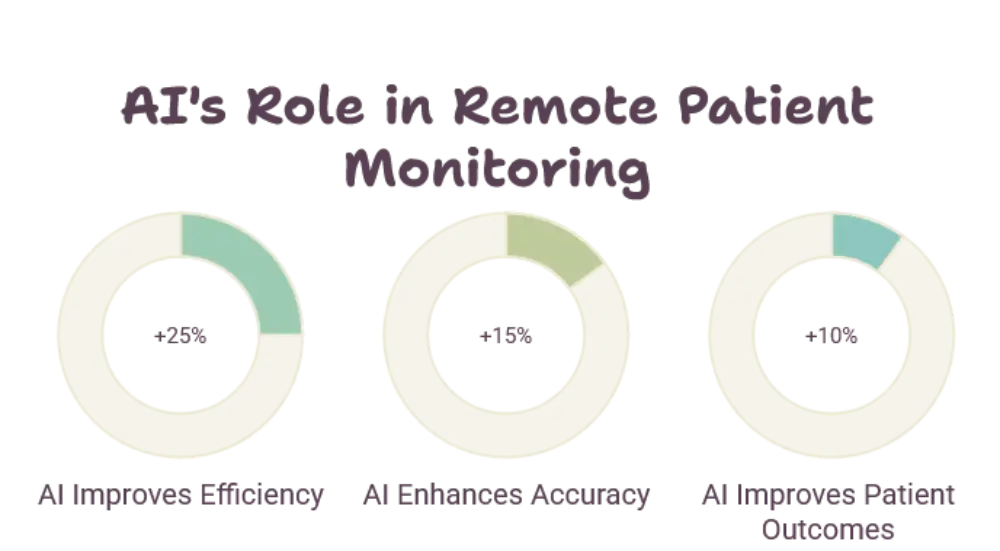
Wearable devices and smart sensors combined with AI are making remote patient monitoring more effective than ever. These systems continuously track vital signs such as heart rate, blood pressure, and oxygen levels, alerting doctors immediately if something abnormal is detected.
This is particularly beneficial for patients with chronic illnesses who need consistent monitoring but may not require constant hospital visits. It also supports healthcare accessibility for people living in rural or underserved areas.
Challenges and Ethical Considerations
While the benefits of AI in healthcare are significant, there are important challenges that must be addressed.
Data Privacy and Security
Healthcare data is highly sensitive, and AI systems require large datasets to function effectively. Ensuring patient data is protected from breaches while still allowing AI to learn and improve is an ongoing challenge for the industry.
Bias in AI Models
AI systems are only as good as the data they are trained on. If training data lacks diversity, AI models may produce less accurate results for certain populations. Addressing this bias is essential to ensure equitable healthcare outcomes for everyone.
The Need for Human Oversight
AI should support, not replace, human judgment in medicine. Doctors and healthcare professionals must remain actively involved in reviewing AI generated insights to ensure decisions are safe, ethical, and appropriate for each patient’s unique situation.
The Future of AI in Healthcare
Looking ahead, AI in Healthcare is expected to become even more integrated into everyday medical practice. Advances in natural language processing will make virtual assistants more conversational and helpful, while improvements in computer vision will continue to enhance diagnostic accuracy.
We can also expect AI to play a larger role in mental health support, robotic assisted surgery, and genomics research. As technology matures, collaboration between healthcare providers, researchers, and technology developers will be key to ensuring AI is implemented responsibly and effectively.
Conclusion
AI in Healthcare is reshaping the medical field in ways that were once unimaginable, from faster diagnoses and personalized treatments to smarter hospital operations and remote patient care. While challenges around data privacy, bias, and human oversight remain, the potential for AI to improve patient outcomes and support healthcare professionals is undeniable. As adoption continues to grow, the focus must remain on using this technology responsibly to build a healthcare system that is smarter, faster, and more accessible for everyone.
Frequently Asked Questions
What is AI in healthcare?
AI in healthcare refers to the use of technologies like machine learning and predictive analytics to support diagnosis, treatment planning, and hospital operations.
Is AI replacing doctors?
No, AI is designed to assist doctors by processing data and offering insights, while medical decisions remain in the hands of trained healthcare professionals.
How does AI help in disease diagnosis?
AI analyzes medical images and patient data to detect patterns and abnormalities, often identifying conditions earlier than traditional methods.
Is patient data safe when using AI in healthcare?
Healthcare providers follow strict data protection protocols, though ongoing efforts are needed to strengthen privacy and security as AI adoption grows.
What is the future of AI in healthcare?
The future includes more personalized treatments, smarter virtual assistants, improved diagnostics, and greater use of AI in areas like mental health and surgery.