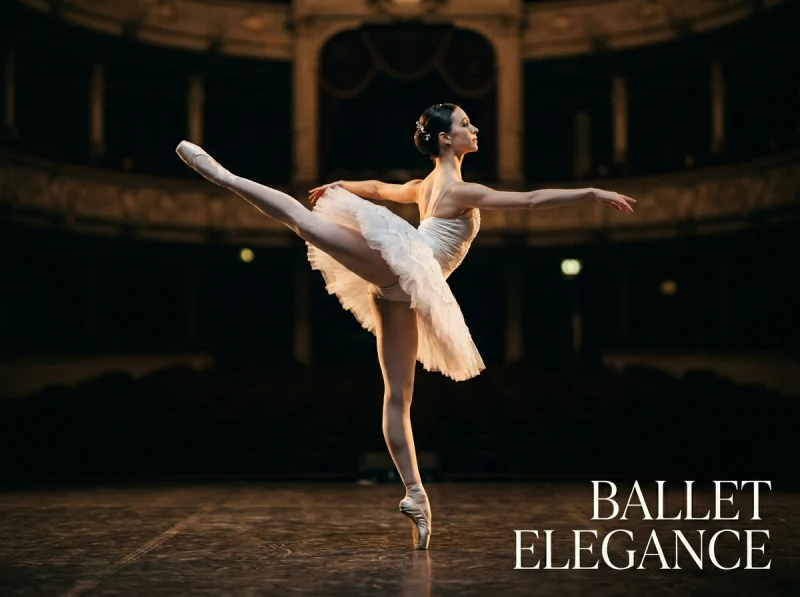
Dance has been an integral part of human culture for centuries, offering a unique blend of movement, rhythm, and expression. Beyond its artistic appeal, dance provides a plethora of benefits for both physical and mental well-being. Whether you’re an experienced performer or someone who simply loves to groove to their favorite song, incorporating dance into your life can lead to transformative health improvements. Let’s explore how this joyful activity supports your body and mind.
Physical Benefits of Dance
Improves Cardiovascular Health
Engaging in dance regularly can significantly boost your heart health. Dance styles like Zumba, salsa, or even fast-paced ballroom dancing elevate your heart rate, improving circulation and reducing the risk of cardiovascular diseases. A 30-minute dance session can provide the same heart benefits as jogging or cycling, making it an enjoyable alternative for cardio workouts.
Enhances Flexibility and Strength
Dance movements often involve stretching and bending, which naturally increase flexibility over time. Styles like ballet, contemporary, and yoga-inspired dances focus on elongating muscles, improving your range of motion and reducing stiffness. Additionally, many dance routines incorporate weight-bearing movements that strengthen muscles and build endurance.
Boosts Balance and Coordination
Dance requires precise control of your body, helping to improve balance and coordination. Styles like ballroom and folk dancing challenge your spatial awareness and footwork, training your body to move more fluidly. Improved balance reduces the risk of falls, particularly for older adults.
Aids in Weight Management
Dancing is an effective way to burn calories and manage weight. For example, an hour of high-energy dance like hip-hop or swing can burn up to 400 calories. Since it’s enjoyable and engaging, dance encourages consistency, making it easier to stick to your fitness goals.
Enhances Posture and Core Strength
Many dance forms emphasize proper alignment and core engagement. Over time, practicing dance can lead to improved posture and a stronger core, which are crucial for overall physical health and reducing back pain.
Mental and Emotional Benefits of Dance
Reduces Stress and Anxiety
Dancing is a natural stress reliever. The combination of physical movement, music, and self-expression triggers the release of endorphins, the body’s “feel-good” hormones. This can help lower cortisol levels, alleviating stress and anxiety.
Boosts Mood and Happiness
Moving to music has been shown to elevate mood and promote a sense of well-being. Dance sessions, whether solo or in a group, can create moments of joy and laughter. The social aspect of dance, such as connecting with others in a class or at an event, adds to its uplifting effects.
Enhances Cognitive Function
Dance challenges your brain as much as your body. Learning choreography, memorizing steps, and synchronizing movements with music improve memory, focus, and mental agility. Studies suggest that regular dancing can even reduce the risk of cognitive decline and conditions like dementia.
Builds Confidence and Self-Esteem
Mastering new dance moves or routines fosters a sense of accomplishment. The opportunity to express yourself creatively through dance can also boost self-confidence and self-esteem, helping you feel more comfortable in your own skin.
Encourages Emotional Expression
Dance is a powerful form of non-verbal communication, allowing individuals to express feelings they might struggle to articulate. It’s often used in therapeutic settings to help people process emotions and heal from trauma.
Social Benefits of Dance
Strengthens Relationships
Dancing in a group or with a partner fosters connection and trust. Activities like salsa or swing dancing require teamwork and collaboration, building stronger bonds between participants.
Creates a Sense of Community
Joining a dance class or group can help you meet new people who share similar interests. This sense of community reduces feelings of isolation and promotes a support system for physical and emotional well-being.
Promotes Cultural Awareness
Dance often carries cultural significance and historical roots. Exploring different dance styles can enhance your appreciation for diverse traditions and foster greater cultural understanding.
How to Start Reaping the Benefits of Dance
If you’re ready to experience the physical and mental health benefits of dance, here are some tips to get started:
- Choose a Style You Love: Whether it’s hip-hop, ballet, salsa, or modern dance, find a style that excites you.
- Start Slow: Begin with beginner-level classes or tutorials to ease into the practice without feeling overwhelmed.
- Set a Routine: Dedicate specific days and times for dancing to make it a consistent habit.
- Join a Class: In-person or virtual dance classes can provide structure, motivation, and a sense of community.
- Have Fun: Focus on enjoying the process rather than perfecting every move. The joy of dancing is where the magic lies.
Conclusion
The benefits of dance for physical and mental health are undeniable. From enhancing cardiovascular fitness to reducing stress and building confidence, dance offers a holistic approach to well-being. Its versatility ensures that there’s a style and pace suitable for everyone, regardless of age or skill level. So, put on your favorite music, let loose, and discover how dance can transform your body, mind, and soul.
Frequently Asked Questions
What are the physical benefits of dance?
Dance improves cardiovascular health, flexibility, balance, and core strength. It can help with weight management by burning calories and enhancing posture. Regular dance practice strengthens muscles and increases endurance, providing a full-body workout.
How does dance improve mental health?
Dance helps reduce stress and anxiety by releasing endorphins, which are feel-good hormones. It boosts mood, enhances cognitive function, and increases confidence. It also encourages emotional expression and can be therapeutic for processing emotions.
Can dance improve cognitive function?
Yes, dance challenges the brain by requiring memorization of steps, synchronization with music, and learning choreography. This mental engagement improves memory, focus, and mental agility. Regular dance practice has even been shown to reduce the risk of cognitive decline.
How can dance build confidence?
Mastering new moves or routines can foster a sense of accomplishment. The creative expression through dance boosts self-esteem, helping individuals feel more comfortable in their own skin. Dancing also encourages positive body image and emotional expression.
What are the social benefits of dancing?
Dancing fosters connection and strengthens relationships, whether with a partner or within a group. It creates a sense of community, helping individuals meet new people and reduce feelings of isolation. Dance also promotes cultural awareness by exploring diverse traditions.