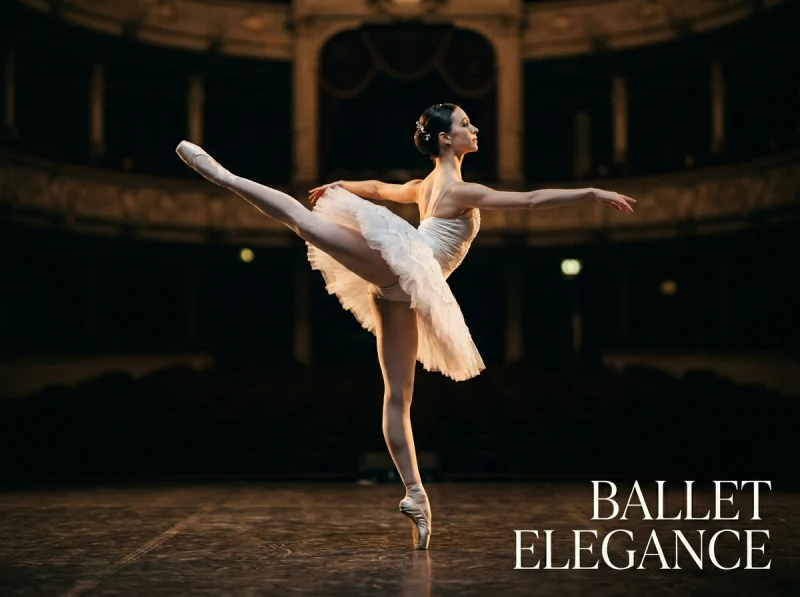
Ballet, as an art form, presents a unique blend of physical discipline, artistic expression, and historical continuity. You observe its evolution, not merely as a spectacle, but as a discipline demanding rigorous training and precise execution. To truly appreciate ballet, you must look beyond the surface aesthetics and consider the intricate mechanics and the years of dedication that underpin each performance.
Classical ballet provides the bedrock upon which much of contemporary dance is built. You see its principles evident in the posture, the turn-out, and the precise control of each movement.
Understanding the Barre Work
Before a dancer ever takes the stage, they spend countless hours at the barre. This is where you witness the foundational elements being meticulously crafted.
- Pliés and Tendus: These exercises are not just warm-ups; they build strength, flexibility, and articulate the foot and ankle, fundamental for every step that follows. You’ll note how seemingly simple repetitions contribute to complex balances and jumps later on.
- Rond de Jambes and Développés: Here, you observe the development of hip rotation and the extension of the leg, crucial for the elegant lines and extended movements characteristic of ballet. The control required to execute these slowly and smoothly is considerable.

Center Practice and Adagio
Moving away from the barre, dancers engage in center practice, where balance and coordination are tested without external support.
- Port de Bras: You see the arms, no longer just appendages, but extensions of the torso, contributing to the overall line and emotional nuance of the movement. The grace in their arcs is not accidental; it’s a result of deliberate practice.
- Adagio Movements: These slow, sustained sequences demand immense strength and control. You observe dancers holding difficult positions, demonstrating a balance between tension and release that is central to balletic artistry.
The Spectrum of Ballet Repertoire
The world of ballet is rich with diverse works, ranging from time-honored classics to innovative contemporary creations. Your understanding deepens as you consider the breadth of this repertoire.
Enduring Classical Narratives
Certain ballets have transcended generations, captivating audiences with their stories and iconic choreography. You recognize these as cornerstones of the art form.
- The Nutcrackerand Cinderella: These ballets, often associated with specific seasons, are exemplary for their storytelling through movement. Observing a performance, especially the Philadelphia Ballet’s The Nutcracker in December or Cinderella in March 2027, you witness how music and elaborate sets complement the dancers’ artistry to create an immersive experience.
- Don Quixote: Scheduled by the Philadelphia Ballet for April-May 2027, this ballet provides a different flavor, showcasing vibrant character work and demanding technical bravura. You appreciate the athleticism and theatricality required to bring these roles to life.
Balanchine’s Legacy
George Balanchine’s influence on American ballet is undeniable. His neoclassical approach reshaped the perception and execution of the art form.
- Divertimento No. 15and Concerto Barocco: The NYCB Spring 2026 Season will feature these works. When you watch these, you see music brought to life through pure movement, often without a specific narrative, emphasizing form, speed, and precision. Balanchine’s ability to “see the music” is evident in every step.
- Contemporary Interpretations: Even today, choreographers draw inspiration from Balanchine’s principles. You can observe instances where neoclassical clarity informs modern works, bridging historical styles with current artistic trends.
Contemporary Expressions and Innovation
While classicism underpins ballet, the art form continuously evolves. You recognize the drive for innovation as a vital aspect of its enduring appeal.
New Choreography and World Premieres
The world of ballet is not static; new works are constantly being created, pushing boundaries and exploring new themes.
- Tiler Peck’s World Premiere (NYCB Spring 2026): This represents a commitment to new voices and fresh perspectives. You anticipate how a prominent dancer translates their understanding of movement into a new choreographic language, adding to the repertoire.
- BalletX’s 20th Anniversary Program: For instance, BalletX in Philadelphia (March 18-22, 2026) is celebrating its 20th anniversary with three Matthew Neenan works: Broke Apart (2006), Show Me (2015), and a new world premiere. This provides an opportunity to see how a choreographer’s style evolves over two decades and how new work integrates with existing company history.
- January 2026 Premieres: The start of the year often sees a surge in innovative premieres across various companies. You might encounter works that diverge significantly from traditional narratives, focusing instead on abstract concepts or contemporary social commentaries, requiring a different kind of audience engagement.
Exploring Modern Themes
Contemporary ballet often tackles themes relevant to modern society, using movement to communicate complex ideas.
- Distant Cries (NYCB Spring 2026): The return of such pieces suggests their continued relevance and resonance with audiences. You observe how dancers portray emotional depth and narrative nuances without relying solely on classical mime.
- Incorporating Diverse Styles: You may also see contemporary ballet movements drawing from various dance forms, blurring the lines between classical, modern, and even folk traditions, creating a rich tapestry of stylistic expression.
The Artists Behind the Art
The beauty and power of ballet reside not just in the choreography, but in the dedication and artistry of the dancers themselves. You acknowledge their crucial role in bringing the movements to life.
“25 to Watch” and Emerging Talent
The future of ballet is in the hands of new generations of dancers. Publications like Dance Magazine actively highlight these rising stars.
- Identifying Promising Dancers: Dance Magazine’s “25 to Watch” for 2026, released last week, featured 10 rising ballet artists. You gain insight into the qualities and potential that industry experts identify as exceptional, often encompassing not just technical prowess but also artistic maturity and stage presence.
- Nurturing Young Artists: Companies invest significantly in training and developing new talent. You see this in the opportunities given to younger dancers to perform increasingly complex roles, gradually taking on the mantle from seasoned performers.
Career Milestones and Departures
The ballet world is dynamic, with dancers reaching milestones, taking on new roles, or concluding their performing careers.
- Megan Fairchild’s Farewell (NYCB Spring 2026): Her final performance in Coppélia marks a significant moment. You witness the culmination of a distinguished career, often performed with a depth of character and technical finesse honed over many years. Such farewells are opportunities to celebrate a dancer’s legacy.
- Promotions and Appointments (February 2026 Dance News): The monthly industry news often reports on promotions within companies, new principal dancers, or appointments to leadership roles. These indicate the ongoing growth and evolution of the artistic teams guiding ballet companies.
The Broader Ecosystem of Ballet
| Type of Dance | Origin | Popular in |
|---|---|---|
| Ballet | Italy/France/Russia | Worldwide |
| Hip Hop | United States | Worldwide |
| Salsa | Cuba | Latin America |
| Tap Dance | United States | North America |
Ballet exists within a complex institutional framework, encompassing venues, funding, education, and community engagement. You consider how these elements contribute to the art form’s sustainability and reach.
New Venues and Infrastructure
The physical spaces where ballet is performed and rehearsed are vital to its operation.
- Philadelphia Ballet’s North Broad Street Home: The opening of their new home in September, coinciding with the U.S. Semiquincentennial celebrations, signifies a significant investment in the company’s future. You recognize that a dedicated, state-of-the-art facility can greatly enhance rehearsal conditions, performance capabilities, and educational outreach.
- Impact on Audience Experience: A new venue often offers improved acoustics, seating, and stage technology, all contributing to a more immersive and comfortable experience for the audience.
Community Engagement and Outreach
Ballet companies are increasingly focused on connecting with broader communities, seeking to demystify the art form and make it accessible.
- Educational Programs: Many companies offer various educational initiatives, from school workshops to master classes for aspiring dancers. You observe how these programs aim to cultivate future audiences and performers.
- Inclusive Practices: Efforts are being made to promote diversity within ballet, ensuring that the art form reflects the communities it serves, both on stage and in the audience.
considering these various facets, you move beyond mere spectatorship to a more nuanced appreciation of ballet. It is an art form that is simultaneously rooted in a rich history and engaged in a continuous process of evolution and redefinition.
FAQs
What are the different types of dance?
There are numerous types of dance, including ballet, tap, jazz, hip-hop, contemporary, ballroom, salsa, and many more. Each type of dance has its own unique style and technique.
What are the benefits of dancing?
Dancing has numerous physical and mental health benefits, including improved cardiovascular health, increased flexibility and strength, stress reduction, and enhanced cognitive function. It also provides a creative outlet and can boost self-confidence.
How can I get started with learning a type of dance?
To get started with learning a type of dance, you can look for local dance studios or community centers that offer classes in the style you’re interested in. You can also find online tutorials and instructional videos to practice at home.
What should I wear for a type of dance class?
The appropriate attire for a type of dance class will depend on the specific style. Generally, form-fitting clothing that allows for freedom of movement is recommended, along with the appropriate footwear for the style of dance (e.g. ballet shoes for ballet, sneakers for hip-hop).
Are there any age restrictions for learning a type of dance?
Many dance classes are open to individuals of all ages, from young children to older adults. However, some styles of dance may have specific age requirements or recommendations, so it’s best to inquire with the dance studio or instructor.