
So, you’ve decided to dive into the fast-paced, often exhilarating world of the service industry. Whether it’s dishing out delicious meals, pouring expertly crafted drinks, or ensuring a guest’s stay is absolutely perfect, you’re about to embark on a journey that’s as demanding as it is rewarding. For someone just starting out, the sheer volume of information and expectations can feel overwhelming. But don’t worry, this guide is designed to equip you with the essential knowledge and mental preparation to not just survive, but truly thrive in your new role. Think of this as your foundational blueprint, the bedrock upon which you’ll build a fulfilling and successful career.
Understanding the Heart of Service: Culture and Expectations
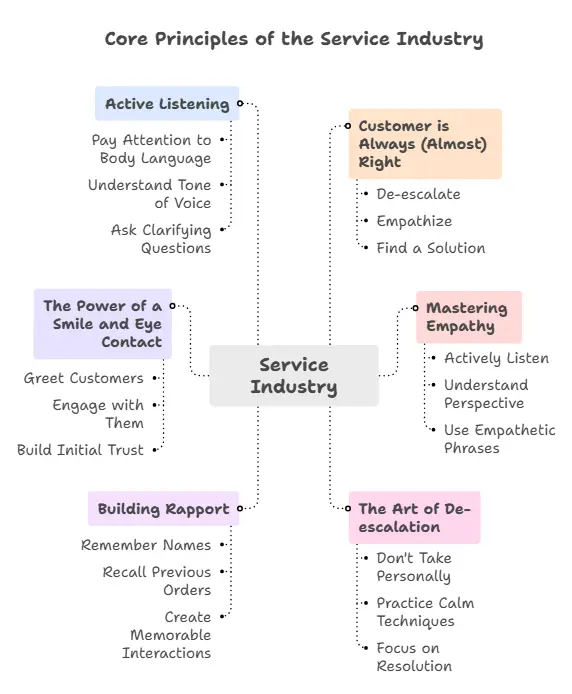
Before you even step foot onto the floor, it’s crucial to grasp the fundamental principles that govern the service industry. This isn’t just about performing tasks; it’s about cultivating a mindset, embracing a specific culture, and consistently exceeding expectations. The “service industry” is a broad term, encompassing everything from fine dining and bustling cafes to hotels, resorts, and even retail environments where customer interaction is key. Regardless of the specific sector, the core tenets remain the same: making others feel welcomed, valued, and cared for.
The Customer is Always (Almost) Right: Navigating Difficult Interactions
This age-old adage isn’t about blindly agreeing with every complaint. It’s about understanding that from the customer’s perspective, their experience is paramount. Your primary goal is to de-escalate, empathize, and find a solution that leaves them feeling heard and satisfied. This often requires a significant amount of patience and emotional regulation. Remember, a customer who walks away unhappy isn’t just a lost sale; they can also be a source of negative word-of-mouth that can impact the establishment.
Mastering Empathy: Putting Yourself in Their Shoes
To truly master the “customer is always right” philosophy, you need to develop genuine empathy. This means actively listening to their concerns, even if you believe they’re mistaken. Try to understand why they’re upset. Is it the food? The wait time? The atmosphere? Once you understand their perspective, you can respond more effectively. Phrases like “I understand how frustrating that must be” or “I can see why you’re concerned” can go a long way in diffusing tension.
The Art of De-escalation: Staying Calm Under Pressure
You will encounter difficult customers. It’s inevitable. The key is not to take it personally. Their frustration is usually directed at the situation, not at you as an individual. Practice techniques for staying calm: take a deep breath, remind yourself of your training, and focus on finding a resolution. Avoid getting defensive or arguing. Instead, focus on what you can do.
Building Rapport: More Than Just a Transaction
The best service experiences go beyond merely fulfilling a request. They involve forging a connection, even if it’s fleeting. This is about creating positive interactions that make customers feel like more than just a dollar sign. It’s about remembering their name, a previous order, or a detail they mentioned. These small gestures can transform a standard interaction into a memorable one, fostering loyalty and repeat business.
The Power of a Smile and Eye Contact: The Universal Language of Welcome
It sounds simple, but a genuine smile and direct eye contact can immediately set a positive tone. When you greet a customer, engage with them. Let them know you see them and are ready to assist. This personal touch is a powerful tool for breaking down barriers and building initial trust.
Active Listening: Hearing What’s Not Always Said
Pay attention not just to a customer’s words, but also their body language and tone of voice. Are they hesitant? Are they in a hurry? Are they looking for something specific? Active listening involves leaning in, nodding, and asking clarifying questions to ensure you fully understand their needs and preferences.
Mastering the Fundamentals: Practical Skills for the Front Lines
Beyond the interpersonal skills, there are a number of practical, hands-on abilities that will be essential for your success. These are the building blocks of your day-to-day responsibilities, and honing them will make your job easier and more efficient.
Impeccable Product Knowledge: Be the Expert
Whether you’re serving food, drinks, or recommending a product, you need to know your stuff. This is non-negotiable. Customers rely on your expertise to make informed choices. The more confident you are in your knowledge, the more confident they will be in your recommendations.
The Menu/Product Catalog: Your Bible for Success
Dedicate time to thoroughly memorizing the menu, beverage list, or product catalog. Understand the ingredients, preparation methods, flavor profiles, and potential allergens for food and drink items. For retail, know your inventory, product features, benefits, and how they compare to competitors.
Anticipating Needs: Going the Extra Mile with Information
Once you know the basics, start thinking about how to use that knowledge to your advantage. If a customer orders a particular dish, can you recommend a drink that complements it? If they’re looking at a specific item, can you proactively offer additional information that might be helpful or address potential concerns?
Efficiency and Organization: The Backbone of Smooth Operations
The service industry rarely slows down. Being able to manage your tasks efficiently and keep your workspace organized is crucial for maintaining quality and reducing stress. A chaotic environment leads to mistakes and unhappy customers.
Setting Up Your Station for Success: The Pre-Shift Ritual
Before your shift begins, take the time to properly set up your work area. This includes stocking necessary supplies, ensuring cleanliness, and having everything you need within easy reach. A well-prepared station saves you valuable time and prevents interruptions during busy periods.
Task Prioritization: Knowing What Comes First
In a busy environment, it’s easy to feel overwhelmed. Learn to identify the most urgent tasks and prioritize accordingly. This might mean taking an order from a waiting table, delivering drinks to another, or clearing a table that needs to be reset. Develop a system for keeping track of your responsibilities.
Teamwork Makes the Dream Work: Collaborating for a Seamless Experience
You are not an island. The success of any service establishment relies heavily on the seamless collaboration of its team members. Your ability to work effectively with colleagues will directly impact the customer experience and your own job satisfaction.
Communicating Effectively with Colleagues: The Key to Synergy
Clear and concise communication with your teammates is paramount. This includes relaying important information about orders, customer requests, or potential issues. Learn to use your establishment’s communication methods effectively, whether it’s verbal cues, hand signals, or a POS system.
Supporting Your Team: Being a Reliable Colleague
Be willing to lend a hand to your colleagues, even if it’s not directly your responsibility. If you see someone struggling, offer assistance. This creates a positive and supportive work environment where everyone feels valued and understood.
Mastering the Art of Presentation: Making a Lasting Impression
Your appearance and the way you present yourself also play a significant role in the service industry. It’s not just about looking good; it’s about projecting professionalism and attention to detail.
Professionalism in Appearance: The First Visual Cue
Your uniform, if applicable, should always be clean, pressed, and well-maintained. If there isn’t a strict uniform policy, strive for neat, clean, and appropriate attire that aligns with the establishment’s brand and atmosphere. Avoid overly casual or distracting clothing.
Grooming and Hygiene: Non-Negotiable Standardsnd Approachability
Beyond your physical appearance, your attitude and demeanor speak volumes. Project a positive, confident, and approachable attitude. Your energy is contagious, and a cheerful disposition can significantly enhance a customer’s experience.
Navigating the Learning Curve: Embracing Growth and Feedback
Starting out in any new profession involves a learning curve. Embrace this period as an opportunity for growth. Be open to feedback, eager to learn, and persistent in your efforts to improve.
Seeking and Accepting Feedback: Your Roadmap for Improvement
Don’t shy away from feedback. Whether it’s constructive criticism from your manager or advice from a seasoned colleague, treat it as a valuable tool for your development. Listen attentively, ask clarifying questions, and demonstrate your willingness to implement suggestions.
Positive Reinforcement: Recognizing Your Wins
It’s also important to acknowledge your successes. Celebrate the times you’ve handled a difficult situation well, received positive customer feedback, or mastered a new skill. This boosts your morale and reinforces your good habits.
Continuous Learning: The Key to Longevity and Advancement
The service industry is constantly evolving. New trends emerge, technologies change, and customer expectations shift. To stay relevant and advance your career, you must commit to continuous learning.
Staying Updated on Industry Trends: The Forefront of Innovation
Read industry publications, follow relevant social media accounts, and engage in conversations with other professionals. Understanding emerging trends will allow you to adapt and provide more informed service.
Pursuing Further Training and Development: Investing in Yourself
Don’t be afraid to seek out additional training opportunities. This could include workshops on specific skills, certifications, or even formal education. Investing in your own development is an investment in your future success.
Building Resilience: Thriving Through Challenges
The service industry can be demanding, and it’s important to develop coping mechanisms to manage stress and maintain your well-being. Building resilience will enable you to navigate the inevitable bumps in the road and continue to perform at your best.
Managing Stress and Burnout: Prioritizing Your Well-being
The long hours, demanding customers, and fast-paced environment can take a toll. Learn to recognize the signs of stress and burnout and implement strategies to manage it. This might include exercise, mindfulness, spending time with loved ones, or engaging in hobbies that help you relax and recharge.
Setting Healthy Boundaries: Protecting Your Energy
It’s important to learn to set healthy boundaries between your work life and your personal life. This might involve not checking work emails after hours, learning to say no to extra shifts when you’re already exhausted, or ensuring you have dedicated time for rest and rejuvenation.
Developing a Positive Mindset: The Power of Perspective
Your mindset plays a crucial role in how you experience the service industry. Cultivating a positive outlook, even during challenging times, can make a significant difference. Focus on the aspects of your job that you enjoy, the connections you make, and the satisfaction of providing excellent service.
The Gratitude Factor: Appreciating the Small Victories
Take time to appreciate the small victories. A compliment from a happy customer, a smooth and efficient service, or a moment of genuine connection can be incredibly rewarding. Focusing on these positive experiences can help offset the challenges.
Learning from Mistakes: Turning Setbacks into Stepping Stones
Everyone makes mistakes. The key is to learn from them rather than dwelling on them. Analyze what went wrong, identify what you could have done differently, and use that knowledge to avoid repeating the same error in the future. This process of reflection and learning is what drives growth.
Embarking on a career in the service industry is an exciting and dynamic choice. understanding the core principles, mastering essential skills, prioritizing your presentation, embracing a growth mindset, and building resilience, you are setting yourself up for success. Remember, every interaction is an opportunity to learn, grow, and make a positive impact. Welcome to the team – now go out there and shine!
FAQs
What is the service industry?
The service industry refers to businesses that primarily provide services rather than tangible goods. This can include businesses such as restaurants, hotels, salons, and consulting firms.
What are some important tips for beginners in the service industry business?
Some important tips for beginners in the service industry business include focusing on customer service, creating a strong online presence, understanding the target market, managing finances effectively, and investing in employee training.
How important is customer service in the service industry?
Customer service is extremely important in the service industry as it directly impacts customer satisfaction and loyalty. Providing excellent customer service can lead to repeat business and positive word-of-mouth referrals.
Why is it important to understand the target market in the service industry?
Understanding the target market is crucial in the service industry as it allows businesses to tailor their services to meet the specific needs and preferences of their customers. This can lead to increased customer satisfaction and loyalty.
What are some common challenges faced by beginners in the service industry business?
Some common challenges faced by beginners in the service industry business include fierce competition, managing cash flow, attracting and retaining customers, and maintaining high service quality standards.