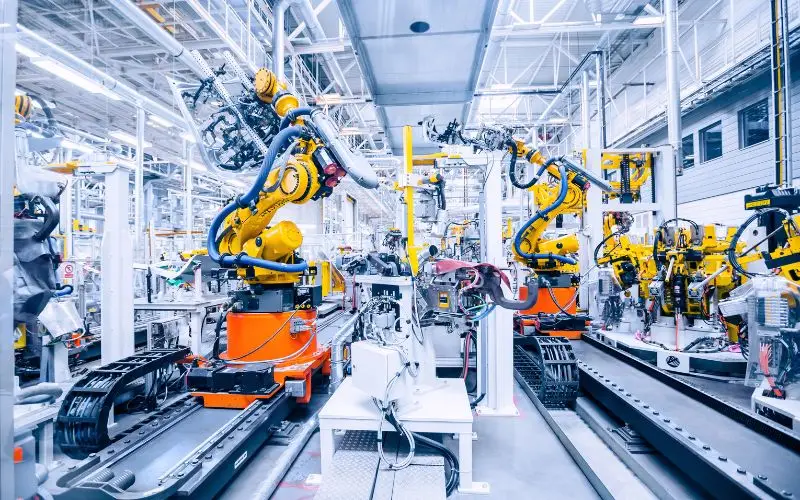
The construction industry has long been associated with manual labor, traditional methods, and incremental advancements. However, the integration of robotics in construction is transforming this landscape, bringing innovation, efficiency, and safety to the forefront. As the demand for infrastructure grows and labor shortages persist, robotics is proving to be a game-changer. From autonomous machinery to advanced 3D printing systems, the possibilities are endless. In this article, we delve into the various ways robotics is reshaping construction and why this technology is critical for the future.
The Rise of Robotics in Construction
Why Robotics Matters in Construction
The adoption of robotics in construction addresses several challenges faced by the industry:
- Labor shortages: As the workforce ages and fewer people pursue construction careers, robots can fill the gap.
- Efficiency: Robots can perform repetitive tasks faster and with greater precision than humans.
- Safety: Automation reduces the risks associated with hazardous construction tasks.
Key Statistics Supporting Robotics Integration
- The global market for construction robotics is projected to reach $165 billion by 2030.
- Robotics has the potential to reduce construction time by up to 30%.
- Robotic systems can improve material efficiency by minimizing waste by 20-25%.
Applications of Robotics in Construction
Autonomous Construction Equipment
Self-operating machinery like excavators and bulldozers are revolutionizing earth-moving tasks. Equipped with GPS, LiDAR, and AI technology, these machines can:
- Operate with minimal human intervention.
- Reduce errors through precise measurements.
- Work around the clock, increasing productivity.
3D Printing in Construction
3D printing technology, combined with robotics, is enabling the creation of structures in unprecedented ways:
- On-site 3D printing: Robots can print concrete or other materials directly at construction sites, reducing transportation costs.
- Complex designs: Intricate architectural forms that were once impossible to achieve can now be printed with ease.
- Sustainability: 3D printing uses materials more efficiently, resulting in less waste.
Bricklaying Robots
Bricklaying, a labor-intensive task, is being reimagined through robotics. Modern systems can:
- Lay up to 1,000 bricks per hour, compared to an average human rate of 300-500 bricks.
- Work continuously without fatigue.
- Achieve precision in alignment and placement.
Drones for Construction Monitoring
Drones, though not traditional robots, play a crucial role in modern construction:
- Surveying: High-resolution cameras and sensors help map large areas quickly.
- Progress tracking: Real-time updates allow project managers to monitor progress remotely.
- Safety inspections: Drones can access hazardous or hard-to-reach areas, ensuring worker safety.
Robotics in Demolition
Demolition is one of the most dangerous construction tasks. Robots are increasingly used to:
- Remove concrete, steel, and other materials with precision.
- Operate in confined spaces or areas with hazardous substances.
- Enhance worker safety by eliminating direct human involvement.
Benefits of Using Robotics in Construction
Enhanced Efficiency
Robots can work tirelessly, completing tasks faster than traditional methods. This efficiency leads to shorter project timelines and reduced costs.
Improved Quality and Precision
Robotic systems operate with high accuracy, ensuring consistent quality in every task, whether it’s laying bricks, welding, or cutting materials.
Increased Safety
automating hazardous tasks, robotics minimizes the risks of injuries and fatalities on construction sites. For instance, robots can handle heavy lifting or work in extreme conditions without endangering human workers.
Cost Savings
While the initial investment in robotics may be high, the long-term savings in labor, materials, and time outweigh the costs. Moreover, reduced waste and efficient use of resources contribute to overall cost-effectiveness.
Challenges and Future Prospects
Challenges in Adoption
Despite its benefits, robotics in construction faces certain hurdles:
- High upfront costs: Small and medium-sized firms may find it challenging to afford advanced robotics systems.
- Skill gaps: Operating and maintaining robotic systems require specialized training.
- Resistance to change: Traditional construction practices and skepticism about automation can slow adoption.
The Future of Robotics in Construction
The future of construction lies in a harmonious blend of human expertise and robotic precision. Innovations like AI-powered robots, collaborative systems (cobots), and advanced sensors will continue to drive growth. Governments and private organizations are increasingly investing in this sector, ensuring its expansion in the coming decades.
Conclusion
Robotics in construction is no longer a futuristic concept but a present-day reality reshaping the industry. enhancing efficiency, improving safety, and reducing costs, robotics is paving the way for smarter, faster, and more sustainable construction practices. As technology evolves, embracing robotics will be crucial for companies looking to stay competitive in a rapidly changing world. What are your thoughts on this technological revolution? Share your views in the comments below and explore our other articles on construction technology.
Frequently Asked Questions
What are the benefits of using robotics in construction?
Robotics in construction enhances efficiency, reduces labor costs, improves safety, and ensures greater precision in tasks. These benefits lead to faster project completion, less material waste, and higher-quality work.
How does robotics help with labor shortages in construction?
As the workforce ages and fewer people enter the construction industry, robotics can fill labor gaps by performing repetitive or dangerous tasks, allowing human workers to focus on more complex and skilled roles.
What is 3D printing’s role in construction robotics?
3D printing in construction allows for the creation of structures on-site, reducing transportation costs and waste. It also enables the production of intricate designs that were previously impossible to achieve.
How do autonomous construction machines improve productivity?
Autonomous machines like excavators and bulldozers, equipped with AI and sensors, operate with minimal human intervention, work continuously, and reduce errors, leading to higher productivity and precision.
What challenges does the construction industry face in adopting robotics?
The primary challenges include high upfront costs, skill gaps in operating robotic systems, and resistance to changing traditional methods. These factors can slow down the widespread adoption of robotics in construction.