
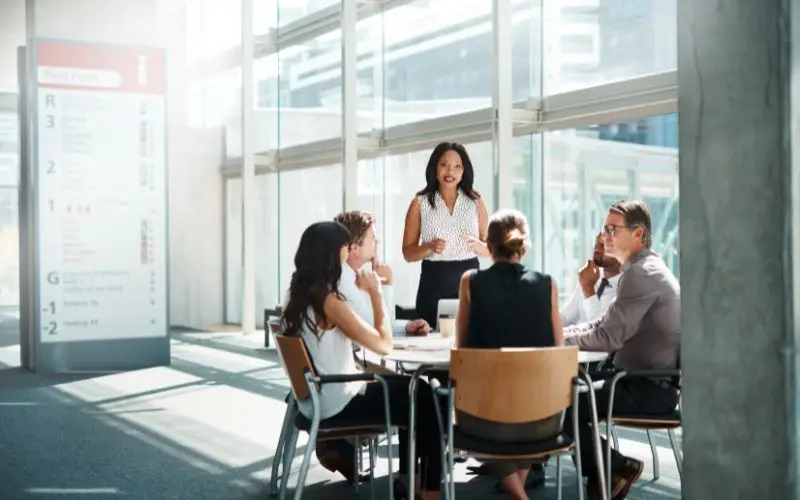
In the dynamic world of commercial construction, office and retail build trends are evolving rapidly to meet shifting market demands, technological advancements, and sustainability goals. Whether you’re a developer, business owner, or industry professional, staying ahead of these trends is essential for creating functional, attractive, and future-ready spaces. In this article, we explore the latest trends shaping office and retail construction, providing insights into how the industry is adapting to new challenges and opportunities.
The Rise of Flexible Office Spaces
Embracing Hybrid Work Models
The rise of hybrid work models has driven a significant shift in office construction. Companies are reducing their physical footprint while prioritizing adaptable work environments. Flexible office spaces featuring:
- Modular furniture
- Movable partitions
- Multi-functional rooms
allow businesses to adjust layouts quickly to accommodate changing needs. This trend also emphasizes creating collaborative zones for teamwork while providing quiet spaces for focused work.
Incorporating Smart Technology
Smart technology is becoming a cornerstone of modern office construction. Features such as:
- Automated lighting and climate control systems
- Occupancy sensors
- Smart security solutions
enhance energy efficiency and user convenience. These technologies not only reduce operational costs but also align with sustainability goals, a critical aspect of today’s commercial construction landscape.
Sustainability: A Non-Negotiable Priority
Green Building Materials
The use of eco-friendly materials is a growing priority in both office and retail builds. Recycled steel, reclaimed wood, and low-VOC (volatile organic compound) paints are just a few examples. These materials reduce environmental impact and contribute to healthier indoor environments.
Energy-Efficient Designs
Energy efficiency is at the forefront of commercial construction. Incorporating elements like:
- Solar panels
- Energy-efficient HVAC systems
- High-performance insulation
is no longer optional but expected. Green certifications, such as LEED, are becoming standard benchmarks for new projects.
Retail Spaces: Blurring the Line Between Physical and Digital
Omnichannel Retail Design
Retail construction is adapting to the rise of e-commerce by integrating digital elements into physical spaces. Features like:
- Interactive displays
- QR code-enabled product details
- In-store pickup zones for online orders
are creating seamless shopping experiences that bridge the gap between online and offline retail.
Experiential Retail
To attract foot traffic, retailers are focusing on experiential spaces. These include:
- Immersive installations
- Pop-up event areas
- Community gathering zones
offering unique experiences, brands can foster stronger customer loyalty and differentiate themselves in a competitive market.
Post-Pandemic Design Considerations
Enhanced Health and Safety Features
The pandemic has significantly influenced office and retail build trends, with a heightened focus on health and safety. Key features include:
- Touchless entry systems
- Improved ventilation
- Antimicrobial surfaces
These elements reassure users and create safer environments, which are now critical to attracting tenants and customers.
Outdoor Integration
Both office and retail spaces are increasingly incorporating outdoor elements. Rooftop gardens, open-air meeting areas, and outdoor dining spaces enhance user well-being and provide versatile spaces for various activities.
The Role of Mixed-Use Developments
Mixed-use developments are gaining popularity as they combine retail, office, and residential spaces into a single project. This approach maximizes land use and creates vibrant, walkable communities. Developers are integrating:
- Shared amenities
- Public transit access
- Sustainable landscaping
to create cohesive environments that meet diverse needs.
The Future of Office and Retail Construction
As technology advances and consumer preferences evolve, the construction industry must continue to innovate. Key future trends include:
- Greater adoption of AI and robotics for construction efficiency
- Advanced materials like self-healing concrete
- Net-zero energy buildings
embracing these developments, the industry can create spaces that are not only functional but also resilient and forward-thinking.
Conclusion
The landscape of office and retail build trends is changing rapidly, driven by new work habits, sustainability imperatives, and consumer expectations. From flexible office layouts and smart technologies to energy-efficient designs and experiential retail spaces, these trends are reshaping commercial construction. staying informed and proactive, industry stakeholders can capitalize on these opportunities to deliver innovative and impactful projects.
Frequently Asked Questions
What are the key features of flexible office spaces?
Flexible office spaces are designed to accommodate the rise of hybrid work models and changing business needs. Key features include modular furniture, movable partitions, and multi-functional rooms that allow businesses to quickly adapt their office layouts. These spaces also incorporate collaborative zones for teamwork and quiet areas for focused work.
How is smart technology being integrated into office spaces?
Smart technology in office spaces includes automated lighting and climate control systems, occupancy sensors, and smart security solutions. These innovations enhance energy efficiency, reduce operational costs, and improve user convenience, all while aligning with sustainability goals in modern commercial construction.
Why is sustainability important in office and retail construction?
Sustainability is a top priority due to growing environmental concerns and the demand for greener spaces. The use of eco-friendly materials like recycled steel, reclaimed wood, and low-VOC paints helps reduce environmental impact. Additionally, energy-efficient designs such as solar panels and high-performance insulation are crucial for minimizing energy consumption and meeting sustainability standards like LEED.
How is the retail space adapting to the digital age?
Retail spaces are incorporating digital elements to blend physical and online shopping experiences. Features such as interactive displays, QR codes for product details, and in-store pickup zones for online orders create seamless omnichannel retail experiences. Retailers are also focusing on experiential spaces with immersive installations and pop-up event areas to engage customers and attract foot traffic.
What impact did the pandemic have on office and retail construction?
The pandemic has led to the integration of enhanced health and safety features in both office and retail spaces. These include touchless entry systems, improved ventilation, and antimicrobial surfaces, which are now essential for reassuring tenants and customers. Additionally, the focus on outdoor integration, such as rooftop gardens and open-air meeting areas, has increased to promote well-being in public spaces.