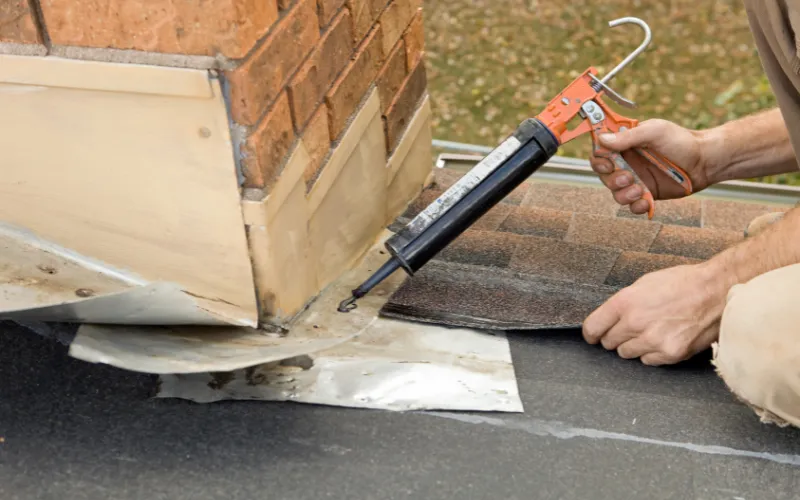

Masonry walls are a crucial element in construction, offering exceptional durability and strength. These walls are typically made from materials such as brick, stone, concrete blocks, or other durable building materials. One of the key advantages of masonry walls is their ability to provide excellent insulation, helping to maintain consistent indoor temperatures and improve energy efficiency.
Additionally, masonry walls offer superior fire protection due to the non-combustible nature of the materials used, making them a safe choice for residential, commercial, and industrial buildings. In addition to their practical benefits, masonry walls also enhance the aesthetic appeal of a building, providing a timeless, classic look.
They are highly versatile, used in various types of construction, from homes and apartments to commercial spaces and historic restorations. With proper construction techniques and maintenance, masonry walls offer long-lasting performance and value for any building project.
Understanding Masonry Walls
Masonry walls come in different types. Each type has unique benefits. The right choice depends on your needs and design.
Load-Bearing Walls
Load-bearing walls play a critical role in supporting a building’s weight. They transfer the loads from the roof, floors, and upper levels to the foundation, helping to maintain structural integrity. carrying vertical loads, these walls eliminate the need for additional support structures such as columns or beams.
Load-bearing walls are typically thicker and constructed from durable materials like brick, concrete, or stone. They are commonly found in residential homes, office buildings, and other structures requiring significant weight-bearing capacity. Proper design and placement are essential for ensuring these walls distribute the weight evenly and maintain the building’s stability over time.
Non-Load-Bearing Walls
Non-load-bearing walls are primarily used for partitioning interior spaces and improving room layouts. These walls do not bear any weight from the structure above them and serve as dividers to define different areas within a building.
While they are not responsible for supporting the building’s overall load, they are crucial for enhancing privacy and organizing the flow of space in homes, offices, and commercial buildings. Non-load-bearing walls are usually made from lighter materials such as drywall, concrete blocks, or timber. These walls can also provide aesthetic benefits, as they help create the desired ambiance and functionality for each room.
Reinforced Walls
Reinforced walls are designed to withstand external forces like wind, earthquakes, and heavy loads through the use of steel reinforcement bars (rebar) embedded within the masonry. These bars provide additional strength and prevent cracks, allowing the walls to resist bending or shifting under pressure. Reinforced masonry walls are crucial in areas prone to seismic activity or extreme weather conditions.
They are commonly used in high-rise buildings, commercial structures, and regions that experience high winds or earthquakes. reinforcing the wall structure, these walls offer enhanced durability and longevity, ensuring the stability of the entire building.
Hollow Walls
Hollow walls contain air spaces or cavities between layers of building materials, such as concrete blocks or bricks. These spaces reduce the overall weight of the wall, making them ideal for construction projects where weight reduction is a priority. Hollow walls also provide excellent thermal and sound insulation, as the air gaps help to retain heat in colder weather and keep buildings cooler in warmer months.
The air spaces also help to reduce the transmission of sound, providing better noise control between rooms. Additionally, hollow walls offer improved moisture control, as they allow for better airflow, which helps prevent moisture buildup and mold growth.
Composite Walls
Composite walls combine two or more materials, such as brick and stone or concrete and steel, to create a structure that offers both strength and cost efficiency. integrating different materials, composite walls can be customized to meet the specific needs of a building, providing better performance while lowering construction costs.
This approach allows for flexibility in design, making it easier to adapt to different architectural styles and building requirements. Composite walls are commonly used in both residential and commercial construction, as they provide enhanced durability, insulation, and aesthetic appeal while reducing the material costs associated with traditional construction methods.
Benefits of Masonry Walls
Masonry walls have many advantages. They offer strength, safety, and insulation. These features make them a top choice for buildings.
Strength and Longevity
Masonry walls are renowned for their durability and strength, often lasting for decades with minimal wear. These walls are highly resistant to harsh weather conditions such as heavy rain, wind, and extreme temperatures. Their solid structure provides long-lasting stability, ensuring that buildings remain safe and secure throughout their lifespan. Whether constructed from brick, stone, or concrete, masonry walls offer dependable protection, making them a wise investment for both residential and commercial buildings.
Fire Protection
Masonry materials are inherently fire-resistant, which significantly enhances building safety. Unlike wood or other combustible materials, brick, stone, and concrete do not burn, helping to slow the spread of fire within a building. This characteristic is particularly valuable in areas prone to wildfires or industrial facilities where fire hazards are a concern. The fire resistance of masonry walls provides additional time for evacuation and fire control, making them a crucial component in fire prevention strategies for buildings.
Noise Reduction
Masonry walls are excellent at blocking sound, which makes them an ideal choice for environments that require noise control, such as homes, offices, and other commercial spaces. The density of materials like brick and concrete helps to absorb and reduce sound transmission, minimizing disturbances from traffic, neighboring rooms, or outdoor environments. This quality is especially valuable in urban areas or multi-family dwellings, providing occupants with a quieter, more comfortable living or working space by preventing unwanted noise from entering or exiting rooms.
Energy Efficiency
Masonry walls contribute significantly to a building’s energy efficiency by helping to regulate indoor temperatures. These walls are dense and have high thermal mass, meaning they can absorb heat during the day and release it at night, keeping interiors cooler in summer and warmer in winter. This natural temperature regulation reduces the reliance on heating and cooling systems, lowering energy bills. As a result, buildings with masonry walls are more eco-friendly and cost-effective, making them a popular choice for energy-conscious homeowners and businesses alike.
Low Upkeep
Masonry walls require minimal maintenance due to their resistance to pests, decay, and weathering. Unlike wood, which can suffer from rot and insect infestations, masonry materials remain intact for years with little intervention. Regular sealing and cleaning help to preserve the appearance and functionality of the walls, protecting them from moisture penetration and wear. This low maintenance requirement makes masonry walls a practical and cost-effective option for property owners looking to reduce long-term upkeep and maintenance costs while ensuring the longevity of their structures.
Drawbacks of Masonry Walls
Masonry walls also have challenges. These include labor needs, weight, and cost. Proper planning helps overcome these issues.
Skilled Labor Required
Building masonry walls requires skilled labor for precise placement of each unit. Poor workmanship can weaken the structure, compromising its stability and longevity. Skilled masons ensure quality results by following proper techniques, which are crucial for achieving the durability, strength, and performance expected from masonry construction.
Slow Construction
Masonry walls require more time to build than other construction methods. Each brick, block, or stone must be placed carefully to ensure proper alignment and bonding. This slower process allows for greater precision but can lead to extended construction timelines. Despite this, the end result is a durable, long-lasting wall.
Heavy Weight
Masonry walls are heavy, requiring a strong foundation to support their weight. Without a solid base, the pressure from the walls can cause structural damage over time. Proper planning and reinforcement are essential to ensure that the foundation can handle the weight and prevent long-term issues, such as settling or cracking.
Cost Considerations
Masonry construction can be costly due to the high price of materials and skilled labor. The expense of bricks, stone, or concrete blocks, along with the need for experienced masons, adds to the overall cost. However, the long-term durability and low maintenance of masonry walls often make them a wise investment, offsetting initial expenses.
Popular Masonry Materials
Different materials are used in masonry. The choice depends on budget and design needs.
Brick Masonry Walls
Brick is a widely used construction material known for its affordability and ease of use. Brick masonry walls offer strong structural integrity and excellent insulation, making them ideal for residential and commercial buildings.
Stone Masonry
Stone walls are highly durable and offer a natural, elegant appearance. While they provide long-lasting strength, stone masonry requires skilled labor and can be more expensive compared to other materials.
Concrete Block Masonry
Concrete blocks are strong, fire-resistant, and available in various sizes, making them ideal for commercial buildings. They provide stability, durability, and versatility in construction, ensuring long-term performance and fire safety.
Glass Block Masonry
Glass blocks are decorative and allow natural light to enter spaces. However, they are not suitable for load-bearing walls. They are best used for enhancing aesthetics or creating unique visual features in buildings.
Steps to Build Masonry Walls
Constructing masonry walls involves several steps. Each step ensures durability and stability.
- Preparing the Site: Clear the site, remove debris, and level the ground for a strong base.
- Laying the Foundation: A solid foundation is essential to support the wall, designed based on soil conditions.
- Placing the First Course: Set the first layer level to ensure stability.
- Applying Mortar: Properly mix and apply mortar to bond the units together and strengthen the wall.
- Placing the Units: Carefully lay masonry units, checking alignment regularly for strength.
- Adding Reinforcement: Install steel bars or mesh to enhance stability and prevent cracking.
- Curing and Finishing: Cure the wall to prevent cracks, then apply finishing touches like paint or sealant to improve durability and appearance.
Caring for Masonry Walls
Regular maintenance extends the life of masonry walls. Simple steps prevent major issues.
- Homes and Apartments: Many homes use masonry walls with brick and concrete for lasting strength and insulation.
- Commercial Buildings: Malls, offices, and factories rely on masonry, with concrete blocks offering durability.
- Retaining Walls: Masonry walls support soil and prevent erosion, useful for landscaping and slope management.
- Historic Restorations: Masonry is used in historic buildings to maintain their original look while ensuring strength.
Uses of Masonry Walls
The Masonry walls serve various purposes. They add stability and style to buildings.
- Homes and Apartments: Many homes use masonry walls. Brick and concrete provide lasting strength and insulation.
- Commercial Buildings: Malls, offices, and factories rely on masonry. Concrete blocks are commonly used for their durability.
- Retaining Walls: Masonry walls support soil and prevent erosion. They are useful in landscaping and slope management.
- Historic Restorations: Masonry is often used in historical buildings. It maintains their original look while ensuring strength.
Conclusion
Masonry walls are strong and reliable. They offer safety, insulation, and long-lasting performance. While they have some challenges, proper construction and maintenance ensure great results. Choosing the right materials and design enhances both function and beauty.
FAQs
What are masonry walls made of?
Masonry walls are built using materials like brick, stone, concrete blocks, or glass blocks, bonded together with mortar for strength and stability.
Are masonry walls fire-resistant?
Yes, masonry materials like brick and concrete are fire-resistant, slowing the spread of fire and increasing building safety.
How long do masonry walls last?
Properly constructed and maintained masonry walls can last for decades or even centuries, thanks to their durability and resistance to weathering.
Do masonry walls require maintenance?
Yes, regular maintenance like cleaning, sealing, and repairing cracks helps extend the lifespan of masonry walls and prevent structural damage.
Are masonry walls expensive to build?
While masonry walls may have higher initial costs due to materials and labor, their long-term durability and low maintenance make them cost-effective over time.