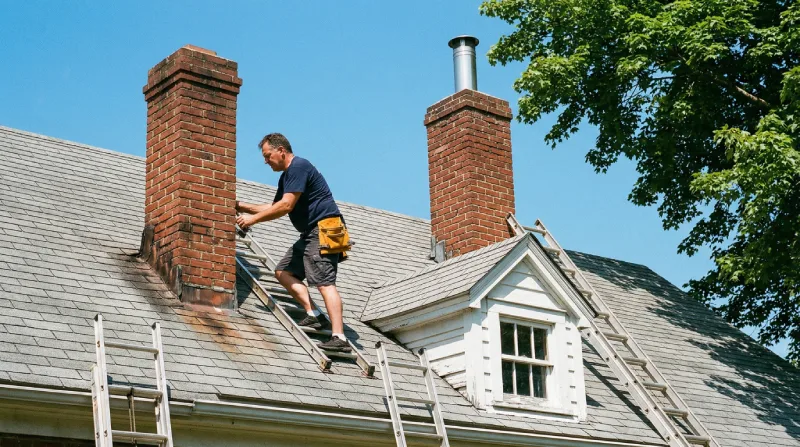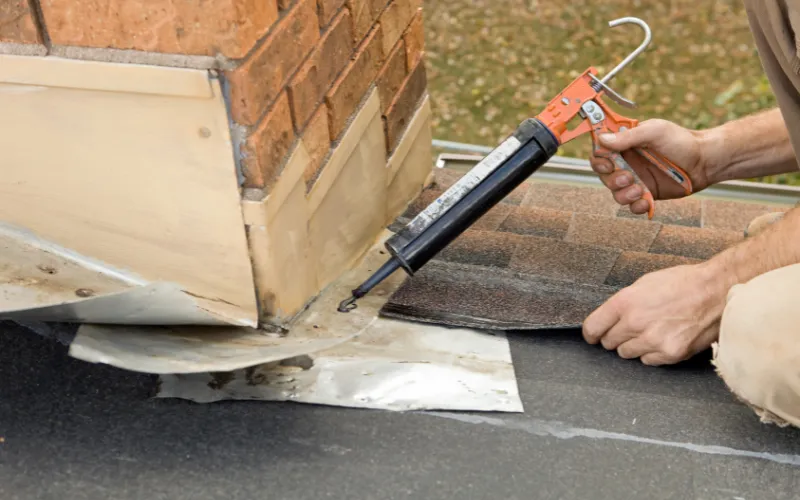
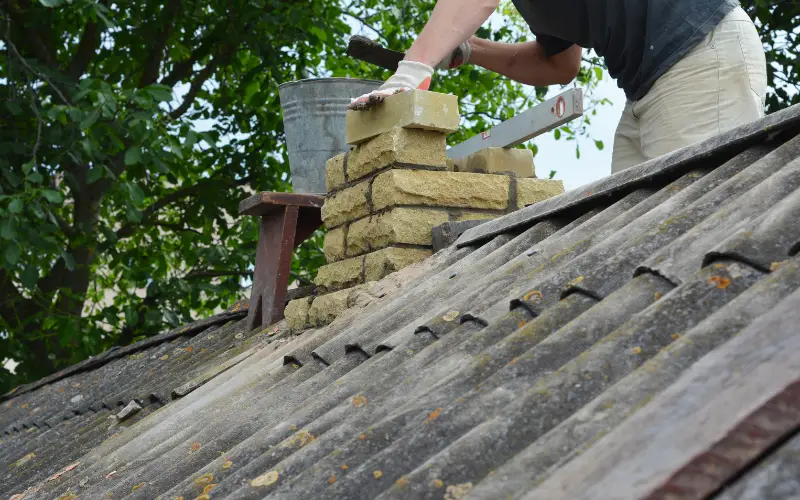
A well-built masonry chimney is not only a beautiful architectural feature but also a vital part of your home’s heating and ventilation system. Over time, however, exposure to the elements and regular use can lead to structural issues and safety concerns. That’s where masonry chimney repair becomes essential. Whether you’re dealing with crumbling bricks, deteriorating mortar joints, or a leaning chimney stack, timely repairs can prevent more serious problems and restore full functionality to your chimney.
In this article, we’ll explore everything you need to know about masonry chimney repair, from signs of damage to common repair methods and the long-term benefits of maintaining your chimney system.
What Is a Masonry Chimney?
A masonry chimney is a chimney built from materials like brick, stone, mortar, and concrete. Unlike factory-built or prefabricated chimneys, masonry chimneys are hand-constructed and designed to last for decades—if not longer—with proper care.
Masonry chimneys are common in older homes and are favored for their durability and traditional appearance. However, because they are built from porous materials, they are vulnerable to water infiltration, freeze-thaw cycles, and structural shifts over time.
Why Masonry Chimney Repair Is Crucial
Chimneys are exposed to some of the harshest conditions on your property. From intense heat inside to rain, snow, and wind outside, the structure must withstand a lot. Neglecting chimney damage can lead to dangerous conditions, including:
- Risk of fire
- Carbon monoxide leaks
- Interior water damage
- Collapsing bricks or chimney stack
Masonry chimney repair addresses these issues before they escalate, protecting your home and ensuring your fireplace works efficiently and safely.
Common Signs You Need Masonry Chimney Repair
Knowing what to look for can help you spot chimney problems early. Here are some of the most common signs that your masonry chimney needs repair:
1. Cracked or Spalling Bricks
Spalling occurs when the surface of bricks flakes or peels off, often due to water damage or freezing temperatures. Cracked bricks can indicate foundational problems or long-term wear and tear.
2. Deteriorating Mortar Joints
Mortar holds the bricks together and provides structural integrity. When mortar starts to crumble or wash away, it weakens the entire chimney structure.
3. Leaning Chimney
If your chimney is visibly leaning or pulling away from the house, it could signal serious structural damage. This is often due to soil shifting, foundation problems, or prolonged neglect.
4. White Staining (Efflorescence)
A white, powdery substance on the surface of your chimney indicates moisture problems. Efflorescence results when water dissolves salt within the bricks and leaves it behind as it evaporates.
5. Rusted Damper or Firebox
Rust inside your fireplace or on the damper may point to water infiltration. Moisture entering through the chimney cap or crown can damage internal components.
6. Cracked Chimney Crown
The crown is the topmost concrete slab that protects the chimney from water entry. Cracks in the crown allow water to seep down and damage the chimney from the inside out.
Masonry Chimney Repair Techniques
Depending on the type and extent of damage, chimney professionals use a variety of repair methods to restore your masonry chimney.
Tuckpointing (Repointing)
Tuckpointing involves removing deteriorated mortar and replacing it with new mortar. This not only strengthens the structure but also improves appearance and prevents water intrusion. It’s one of the most common masonry chimney repair solutions for aging chimneys.
Chimney Rebuilding
If the chimney is severely damaged or leaning, a partial or full chimney rebuild may be necessary. This involves dismantling the existing structure and reconstructing it with new bricks and mortar.
Chimney Crown Repair
Cracks in the chimney crown can be sealed with waterproof masonry materials. In some cases, the crown may need to be rebuilt entirely to restore its function as a water barrier.
Waterproofing
Professional-grade chimney waterproofing helps prevent future damage by repelling water while allowing the masonry to breathe. This is a key preventative measure that extends the life of your chimney.
Flue Liner Replacement
If the flue liner is cracked or damaged, it must be replaced to maintain safe venting of smoke and gases. A damaged liner can also contribute to chimney fires.
Benefits of Professional Masonry Chimney Repair
Attempting a DIY chimney fix may seem appealing, but improper repairs can cause more harm than good. Hiring a professional ensures the job is done right the first time and provides several benefits:
Enhanced Safety
A structurally sound chimney minimizes fire hazards and prevents toxic gases like carbon monoxide from entering your home.
Improved Efficiency
When your chimney is in good shape, your fireplace and heating system can operate more efficiently, reducing energy costs.
Increased Home Value
Buyers often inspect chimneys before purchasing a home. A well-maintained chimney adds value and boosts curb appeal.
Long-Term Savings
Timely repairs can prevent more costly issues down the road, such as full chimney rebuilds or interior water damage.
How to Prevent Future Chimney Damage
Preventative maintenance is key to extending the life of your masonry chimney. Here are several steps homeowners can take:
Schedule Regular Inspections
Annual chimney inspections by a certified chimney sweep help identify minor issues before they become major problems. This includes checking for creosote buildup, cracks, leaks, and blockages.
Keep It Clean
Creosote buildup inside the chimney flue is a fire hazard. Schedule a chimney cleaning at least once a year, especially if you use your fireplace frequently.
Install a Chimney Cap
A properly fitted chimney cap keeps out rain, snow, debris, and animals, all of which can cause damage or blockages.
Apply Waterproof Sealant
Water is the biggest enemy of masonry chimneys. Applying a breathable waterproof sealant protects the bricks and mortar from soaking in moisture.
Trim Overhanging Branches
Trees too close to your chimney can drop leaves and branches into the flue or cause physical damage during storms.
Choosing the Right Masonry Chimney Repair Contractor
Not all chimney repair contractors are created equal. When searching for a professional, look for:
- Certifications from organizations like the Chimney Safety Institute of America (CSIA)
- Experience with masonry chimney repair
- Positive customer reviews and references
- Proof of insurance and warranties on labor
A trustworthy contractor will provide a detailed assessment, explain your options, and use high-quality materials to complete the repair.
Final Thoughts
Masonry chimney repair is a critical part of home maintenance that ensures your fireplace remains safe, functional, and efficient. From minor mortar touch-ups to full chimney rebuilds, addressing issues early can save you time, money, and stress. Regular inspections, waterproofing, and quality repairs all contribute to the longevity of your chimney and peace of mind for you and your family.
If you’ve noticed any signs of damage or it’s been a while since your last inspection, don’t wait. A proactive approach to chimney maintenance is the best way to preserve your investment and protect your home.
FAQs
How do I know if my chimney needs masonry repair?
Look for signs such as cracked or spalling bricks, crumbling mortar, water leaks around the fireplace, white staining (efflorescence), or a leaning chimney stack. These are clear indicators that your chimney may require masonry chimney repair.
Can I use my fireplace if the chimney has visible cracks?
No, it’s not safe. Using a fireplace connected to a damaged chimney can lead to fire hazards, carbon monoxide leaks, or further structural issues. It’s best to have the chimney inspected and repaired by a professional before use.
What is tuckpointing, and why is it important?
Tuckpointing is the process of removing damaged mortar between bricks and replacing it with fresh mortar. It restores the structural stability of the chimney and prevents water from entering, which is essential for long-lasting masonry chimney repair.
How long does masonry chimney repair take?
The duration depends on the extent of the damage. Minor tuckpointing might take a few hours, while more extensive repairs like partial chimney rebuilding can take several days. A professional inspection will provide a clearer timeline.
How can I prevent future masonry chimney damage?
Schedule annual inspections, keep your chimney clean, install a cap, apply a waterproof sealant, and trim nearby tree branches. Regular maintenance helps avoid costly masonry chimney repair and extends the life of your chimney.