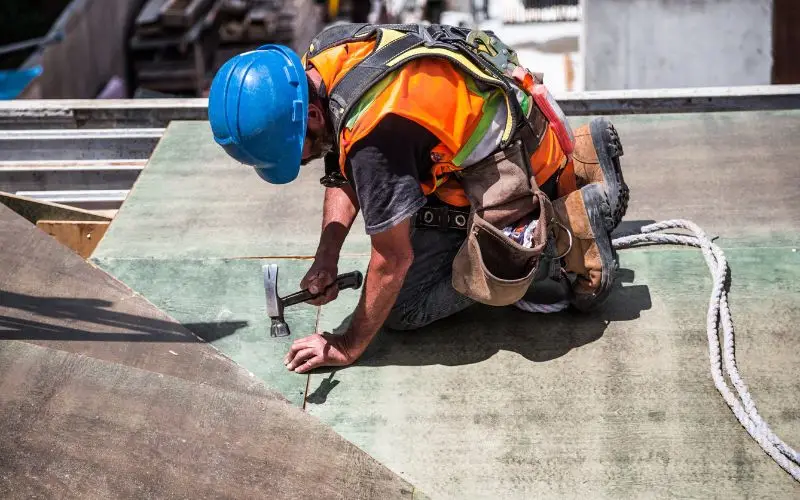

Choosing the right commercial contractor is crucial to the success of any construction project. Whether you’re planning a new office build, a retail renovation, or an industrial facility expansion, hiring the right professional ensures the work is completed efficiently, safely, and to high standards. This guide will help you understand what to look for when selecting a commercial contractor for your next project.
- Why Your Contractor Choice Matters
- Define Your Project Needs First
- Research Local Commercial Contractors
- Review Their Portfolio and Past Work
- Ask for References and Testimonials
- Evaluate Communication and Responsiveness
- Check Licenses, Insurance, and Legal Compliance
- Understand Their Project Management Approach
- Inquire About Subcontractor Relationships
- Focus on Safety Standards
- Pay Attention to Local Knowledge and Permitting
- Review Contracts Carefully
- Don’t Rush the Decision
- Final Thoughts
- FAQs
Why Your Contractor Choice Matters
Commercial construction projects are typically more complex than residential builds. They involve tight deadlines, large teams, multiple permits, and specific compliance requirements. Hiring an experienced and reliable contractor reduces the risk of costly mistakes, delays, and regulatory issues. The right contractor will bring leadership, communication, and technical expertise to your project.
Define Your Project Needs First
Before reaching out to potential contractors, clarify your project’s goals and requirements. This not only helps you narrow your search but also ensures accurate quotes and realistic timelines.
Consider what type of project you’re planning—new construction, remodel, or expansion. Identify special needs such as ADA compliance, energy efficiency, or industry-specific regulations. Having a well-defined scope helps you select a contractor with relevant experience.
Research Local Commercial Contractors
Start by creating a shortlist of potential contractors. Use search engines, online directories, referrals, and local business groups to find professionals who specialize in commercial construction.
Once you have a few names, dive deeper into each contractor’s background. Look for companies with:
- Verified licenses
- Certifications from respected associations (such as AGC or CMAA)
- A solid reputation in your local market
Reading reviews and checking online ratings can also give you insight into how they work with clients.
Review Their Portfolio and Past Work
A contractor’s portfolio tells you more than just what they’ve built—it shows the type of clients they serve and the challenges they’re capable of handling. Ask for examples of completed commercial projects similar to yours. This will help you determine if they have experience in your industry or project type.
If you’re renovating a restaurant, for example, it’s helpful to hire someone who understands ventilation systems, fire codes, and layout design for food service environments. Likewise, building a medical facility requires knowledge of patient flow, privacy laws, and health standards.
Ask for References and Testimonials
Never skip this step. Reach out to past clients and ask them detailed questions about their experience. Did the contractor stick to the schedule? Were there any surprises? How well did they communicate during the project?
Strong testimonials and positive references are often signs of a contractor who values professionalism and client satisfaction.
Evaluate Communication and Responsiveness
How a contractor communicates early on is often a preview of what to expect during the project. During your initial meetings or calls, pay attention to how well they listen, whether they provide clear answers, and how quickly they follow up.
Good communication is especially important in commercial projects where timing, coordination, and problem-solving are critical. You want someone who will keep you informed, handle issues proactively, and respond promptly to concerns.
Check Licenses, Insurance, and Legal Compliance
Before you move forward, verify that the contractor is licensed to operate in your area and that their license is in good standing. Also, ensure they carry the right types of insurance, including:
- General liability insurance
- Workers’ compensation
- Property damage coverage
In some cases, a performance bond or surety bond may also be required to protect you from financial loss if the contractor defaults. A professional contractor should have no problem providing proof of all required documents.
Understand Their Project Management Approach
Ask how they manage their projects from planning to completion. A reliable contractor will have structured processes in place for:
- Scheduling
- Managing subcontractors
- Quality control
- Safety monitoring
- Reporting and communication
Many contractors use digital project management tools to track tasks, timelines, and changes. This adds a layer of transparency and helps you stay updated without micromanaging the project.
Inquire About Subcontractor Relationships
Commercial contractors rarely do everything themselves—they work with electricians, plumbers, HVAC technicians, and other subcontractors. The quality of your project depends not just on the contractor but also on their subcontractor network.
Ask how they select and manage subcontractors. Do they have long-term relationships with trusted partners, or do they hire different teams for each project? A strong network of experienced subcontractors can help keep your project on schedule and up to standard.
Focus on Safety Standards
Construction work involves inherent risks, so safety should be a top priority. Make sure your contractor follows OSHA regulations and has a strong safety record. Ask how they train their workers, monitor safety on the job site, and handle incident reporting.
A contractor that takes safety seriously not only protects their workers but also protects your property, timeline, and reputation.
Pay Attention to Local Knowledge and Permitting
Working with a contractor who understands local building codes, environmental laws, and zoning regulations can help your project go more smoothly. Local expertise means they know how to navigate the permitting process, coordinate with inspectors, and avoid common compliance pitfalls.
This can save you weeks or even months in potential delays and help avoid legal complications down the road.
Review Contracts Carefully
Once you’ve selected your preferred contractor, it’s time to review the contract. This document should outline all key project details, including:
- Scope of work
- Timeline and milestones
- Responsibilities for permits and materials
- Payment terms
- Warranty and maintenance obligations
- Change order procedures
Even if you trust the contractor, it’s a good idea to have a lawyer review the contract before signing. This ensures you’re protected and reduces the chance of disputes later on.
Don’t Rush the Decision
Choosing a commercial contractor is not something to rush. Take the time to ask the right questions, compare multiple options, and trust your instincts. The contractor you choose will be your partner throughout the project, and their professionalism will have a direct impact on the outcome.
Final Thoughts
Finding the right commercial contractor is about more than availability—it’s about reliability, experience, and alignment with your vision. From checking credentials to reviewing past projects and understanding communication styles, every step you take to vet your contractor is a step toward a smoother, safer, and more successful build.
Start with clear goals, do your research, and partner with a professional who brings expertise, transparency, and commitment to your project. With the right contractor by your side, your commercial construction goals can become a reality.
FAQs
What should I look for when hiring a commercial contractor?
Look for proper licensing, relevant experience in your project type, positive client references, strong communication skills, and a proven track record of completing commercial projects on time and according to local regulations.
How can I verify if a commercial contractor is legitimate?
You can verify a contractor’s legitimacy by checking their business license, insurance coverage, certifications, online reviews, and references from past clients. Also, confirm they’re registered with local or state regulatory boards.
Why is experience important when choosing a commercial contractor?
Experience ensures the contractor can handle complex timelines, coordinate with subcontractors, navigate permits, and resolve challenges efficiently—especially for large-scale or industry-specific commercial projects.
What questions should I ask a commercial contractor before hiring?
Ask about their experience with similar projects, how they manage subcontractors, their safety protocols, how they handle project delays or changes, and how communication will be managed throughout the project.
How do I know if a contractor understands local building codes?
Choose a contractor with a history of working in your area. Ask for examples of local projects and inquire about their experience obtaining permits, working with city inspectors, and following regional construction regulations.