The logistics industry trends of today are redefining how goods move across the world. Businesses are adapting to faster delivery expectations, smarter technology, and more resilient supply chains. Understanding these shifts helps companies stay relevant and competitive in a rapidly changing environment.
As global trade grows more complex, logistics providers are rethinking traditional methods. New tools, evolving customer expectations, and environmental awareness are pushing the industry toward smarter and more sustainable practices.
- Why Logistics Industry Trends Matter
- Automation and Robotics in Warehousing
- The Rise of Artificial Intelligence in Logistics
- Sustainability as a Core Logistics Trend
- Last Mile Delivery Innovations
- Supply Chain Resilience and Risk Management
- The Growing Importance of Data Integration
- Personalization in Logistics Services
- Workforce Evolution in the Logistics Sector
- Conclusion
- Frequently Asked Questions
Why Logistics Industry Trends Matter
Logistics is the backbone of global commerce. Every trend in this space affects how quickly products reach customers and how efficiently companies operate.
Staying updated on these changes allows businesses to plan better, reduce delays, and build stronger relationships with partners and customers.
The Shift Toward Digital Transformation
Digital transformation continues to reshape logistics operations. Companies are adopting software platforms that offer real time visibility into shipments, inventory, and delivery timelines.
This shift allows businesses to make faster decisions and respond to disruptions before they escalate into major problems.
Automation and Robotics in Warehousing
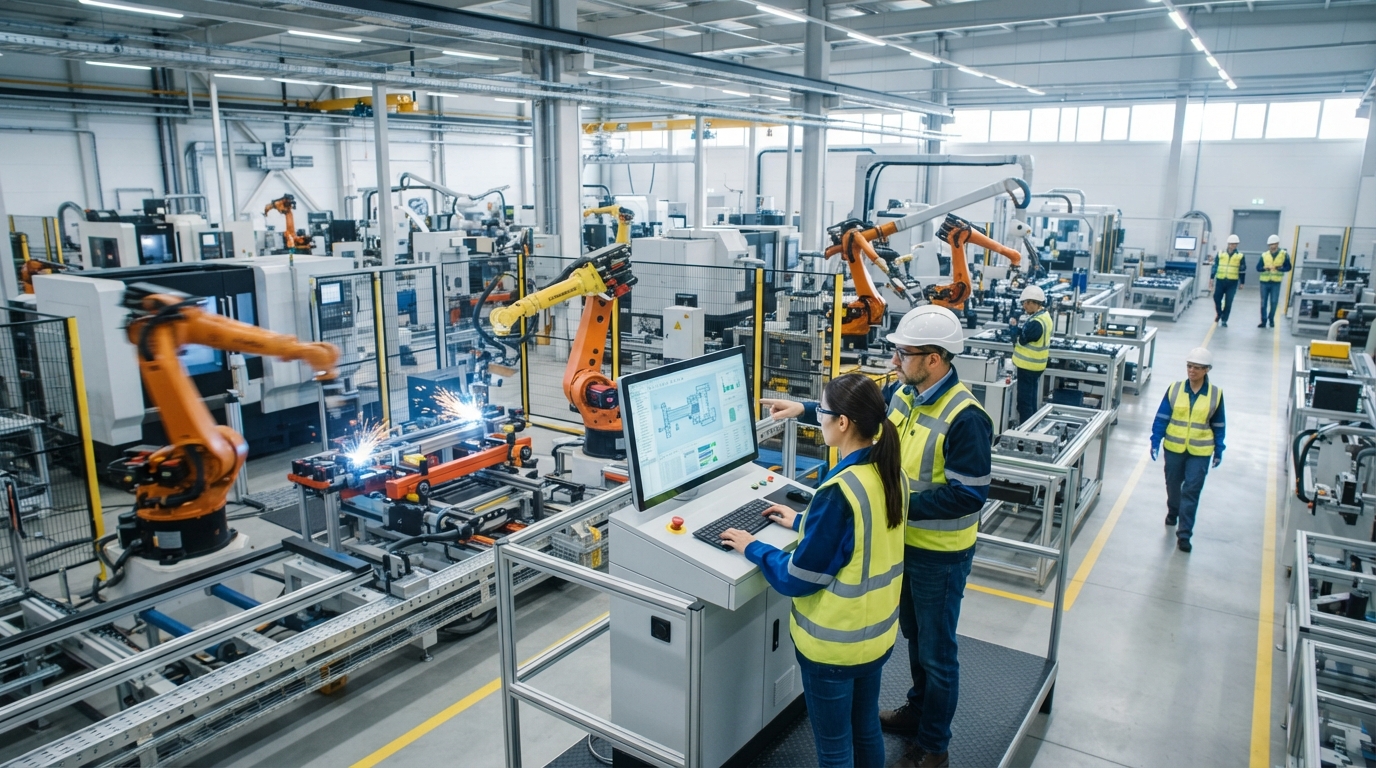
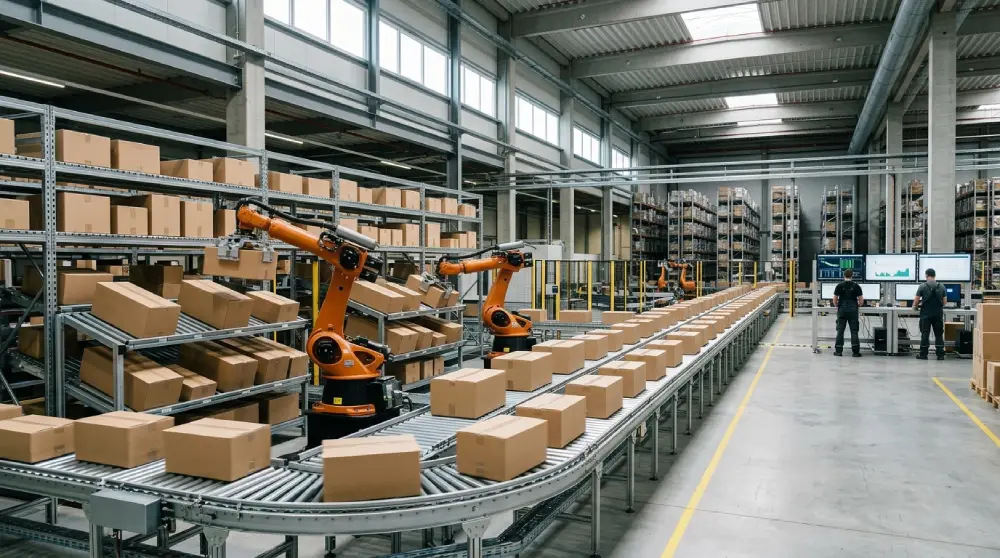
Automation is no longer a futuristic concept in logistics. Warehouses are increasingly using robotic systems to sort, pack, and move goods with speed and accuracy.
This trend reduces manual errors and helps companies handle larger volumes without compromising efficiency.
Smart Warehousing Systems
Smart warehouses use sensors and connected devices to track inventory levels automatically. This reduces the need for manual stock checks and improves accuracy across the supply chain.
Such systems also help identify slow moving items, allowing better space management inside storage facilities.
The Rise of Artificial Intelligence in Logistics
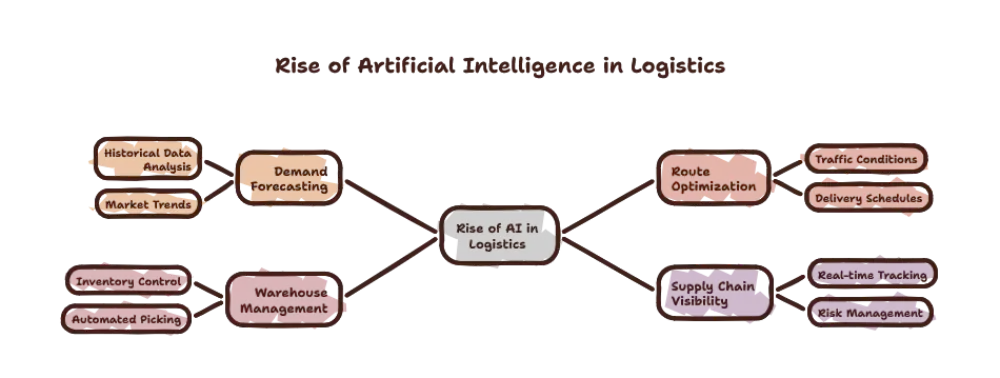
Artificial intelligence is playing a growing role in demand forecasting, route optimization, and risk management. Logistics companies use AI powered tools to predict potential delays and adjust operations accordingly.
This proactive approach minimizes disruptions and improves customer satisfaction.
Predictive Analytics for Better Planning
Predictive analytics helps logistics teams anticipate seasonal demand spikes and plan resources in advance. This ensures smoother operations during peak periods like holidays or major sales events.
Sustainability as a Core Logistics Trend
Sustainability has become a major focus within the logistics industry. Companies are exploring eco friendly packaging, optimized delivery routes, and alternative fuel vehicles to reduce their environmental footprint.
Customers increasingly prefer brands that demonstrate genuine environmental responsibility, making sustainability a long term priority rather than a temporary trend.
Green Fleet Initiatives
Many logistics providers are introducing electric and hybrid vehicles into their fleets. This transition supports emission reduction goals while maintaining delivery efficiency.
Last Mile Delivery Innovations
Last mile delivery remains one of the most challenging aspects of logistics. Companies are experimenting with drones, autonomous vehicles, and local micro fulfillment centers to speed up final deliveries.
These innovations aim to reduce delivery times while improving accuracy and customer experience.
Locker Systems and Pickup Points
Locker systems and designated pickup points are gaining popularity as convenient alternatives to home delivery. They offer flexibility for customers while reducing missed delivery attempts.
Supply Chain Resilience and Risk Management
Global disruptions have highlighted the importance of building resilient supply chains. Businesses are diversifying suppliers and adopting flexible logistics strategies to minimize the impact of unexpected events.
This trend encourages companies to build contingency plans rather than relying on a single supply route.
Real Time Visibility Tools
Real time tracking tools allow businesses to monitor shipments across multiple locations simultaneously. This visibility helps teams react quickly to delays, weather issues, or transportation challenges.
The Growing Importance of Data Integration
Data integration across systems is becoming essential for efficient logistics management. Connecting inventory, transportation, and customer data allows companies to make informed decisions faster.
This integration also improves communication between different departments, reducing confusion and delays.
Cloud Based Logistics Platforms
Cloud based platforms allow logistics teams to access information from anywhere. This flexibility supports remote collaboration and faster response times across global operations.
Personalization in Logistics Services
Customers now expect personalized delivery experiences, including flexible scheduling and real time updates. Logistics companies are adapting their services to meet these evolving expectations.
Personalized logistics solutions strengthen customer loyalty and improve overall satisfaction.
Customized Delivery Options
Offering customers choices such as preferred delivery windows or specific drop off instructions enhances their overall experience and builds trust in the brand.
Workforce Evolution in the Logistics Sector
As technology advances, the logistics workforce is evolving too. Employees are being trained to work alongside automated systems, requiring new skill sets focused on technology and data management.
This shift emphasizes the need for continuous learning within logistics teams.
Training for a Tech Driven Industry
Companies are investing in training programs to help employees adapt to new tools and systems. This ensures smoother implementation of technology across logistics operations.
Conclusion
The logistics industry trends discussed above highlight a sector that is rapidly evolving through technology, sustainability, and customer centric innovation. From automation and artificial intelligence to green initiatives and last mile improvements, logistics companies are reshaping how goods move across the globe.
Staying informed about these trends allows businesses to remain agile, efficient, and prepared for future challenges. As the industry continues to transform, adapting early to these changes will be key to long term success.
Frequently Asked Questions
What are the biggest logistics industry trends right now?
The biggest trends include automation, artificial intelligence, sustainability initiatives, real time tracking, and improvements in last mile delivery.
How is artificial intelligence used in logistics?
Artificial intelligence helps logistics companies forecast demand, optimize delivery routes, and predict potential disruptions before they occur.
Why is sustainability important in the logistics industry?
Sustainability helps reduce environmental impact through eco friendly packaging, optimized routes, and cleaner transportation options, meeting growing customer expectations.
What is last mile delivery and why does it matter?
Last mile delivery refers to the final step of getting a product to the customer. It matters because it directly affects delivery speed and customer satisfaction.
How are logistics companies improving supply chain resilience?
Companies are diversifying suppliers, adopting flexible strategies, and using real time visibility tools to reduce the impact of unexpected disruptions.