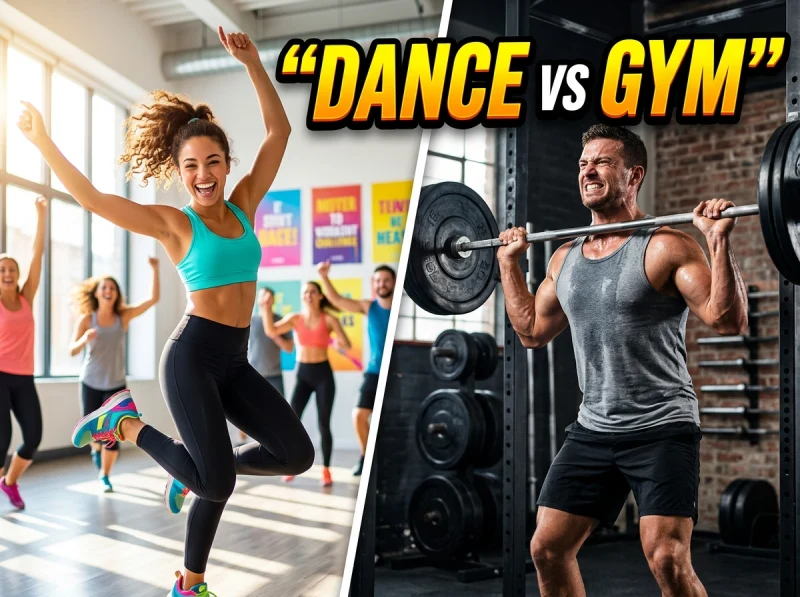
Dance is more than just a performance art — it’s a powerful tool for enhancing overall well-being. From improving cardiovascular health to boosting mental clarity, dance health and fitness offers a fun, engaging, and transformative way to stay fit. Whether you’re a seasoned performer or a beginner stepping into a studio for the first time, dancing can lead to significant physical, emotional, and mental health benefits.
- The Connection Between Dance and Physical Fitness
- Mental and Emotional Benefits of Dance
- Dance as a Social Activity
- Different Dance Styles for Fitness and Health
- How to Start a Dance Fitness Routine
- Dance Fitness at Home vs. Studio
- Dance for All Ages
- The Holistic Approach of Dance Fitness
- Final Thoughts
- FAQs
The Connection Between Dance and Physical Fitness
Dancing involves dynamic body movements that target every major muscle group, making it an excellent full-body workout. Whether it’s ballet, hip-hop, salsa, or Zumba, dance helps build endurance, strength, flexibility, and coordination.
Cardiovascular Health
One of the most important aspects of dance fitness is its ability to improve heart health. Dance routines that involve fast-paced movements get the heart pumping, similar to aerobic exercises. Over time, consistent participation in dance can help lower blood pressure, reduce the risk of heart disease, and improve circulation.
Muscle Strength and Tone
Dance styles like jazz, tap, and contemporary often require the dancer to hold positions, perform leaps, or maintain balance, which helps in toning the muscles. These movements not only increase strength but also improve posture and body alignment.
Flexibility and Balance
Stretching is a core component of most dance forms. Movements that involve high kicks, body bends, and turns increase the body’s flexibility. Additionally, dance routines enhance balance and spatial awareness, reducing the risk of falls, especially as one ages.
Mental and Emotional Benefits of Dance
The benefits of dance health and fitness go beyond the physical body. Dancing is also a powerful mental health booster, offering emotional release and helping individuals cope with stress, anxiety, and even depression.
Stress Relief
Dancing allows individuals to immerse themselves in movement and music, providing a temporary escape from daily worries. The combination of rhythm, coordination, and expression leads to the release of endorphins — the body’s natural mood enhancers.
Improved Self-Esteem and Confidence
As individuals progress in their dance practice, they gain a sense of achievement. Whether mastering a new routine or performing on stage, dance fosters confidence and self-expression. This increased self-esteem often extends into other areas of life, including work and relationships.
Enhanced Cognitive Function
Dance requires memorizing steps, coordinating movement with music, and adapting to rhythm changes. These mental tasks help stimulate brain activity, improve memory, and enhance overall cognitive performance. For older adults, dance has been shown to reduce the risk of cognitive decline and conditions like dementia.
Dance as a Social Activity
Another often-overlooked benefit of dance is its social nature. Whether in a group class, dance troupe, or social event, dancing brings people together. This social engagement is essential for emotional well-being and can help combat loneliness.
Building Community
Joining a dance class creates opportunities for social interaction and friendship. The shared experience of learning and performing creates a strong sense of community and belonging.
Boosting Communication Skills
Through partnered and group dances, individuals learn non-verbal communication, eye contact, and trust-building. These skills enhance interpersonal relationships both inside and outside the dance studio.
Different Dance Styles for Fitness and Health
One of the biggest advantages of choosing dance as a fitness activity is the variety. There’s a dance style to suit every preference, fitness level, and age group.
Zumba and Cardio Dance
Zumba combines Latin-inspired music with energetic dance moves, offering a fun and effective cardio workout. It’s accessible to people of all ages and fitness levels and is particularly popular for those looking to burn calories and boost endurance.
Ballet and Barre
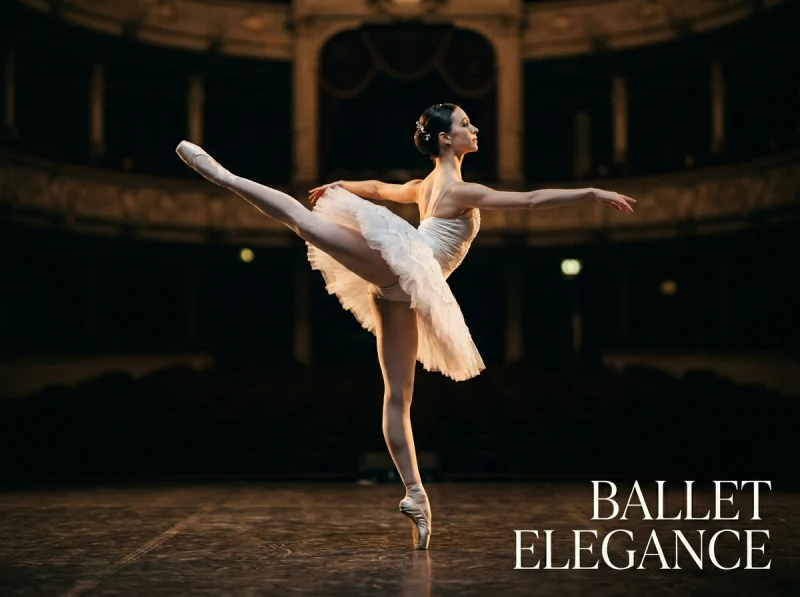
Ballet emphasizes precision, control, and grace. While it appears gentle, ballet is physically demanding and promotes core strength, flexibility, and muscular endurance. Barre, a ballet-inspired fitness class, combines dance, yoga, and Pilates for a low-impact yet challenging workout.
Hip-Hop and Street Dance
High-energy and expressive, hip-hop dance classes offer a great cardiovascular workout. These styles are excellent for building coordination, stamina, and rhythm while allowing participants to express themselves creatively.
Contemporary and Modern Dance
These styles encourage freedom of movement and emotional expression. With fluid transitions and dynamic shifts, they enhance both physical fitness and emotional well-being.
Ballroom and Latin Dance
Partner dances like salsa, tango, and cha-cha improve balance, coordination, and posture. They also offer a fun way to engage socially while getting a heart-pumping workout.
How to Start a Dance Fitness Routine
Starting a dance-based fitness routine doesn’t require previous experience. With so many options available, from in-person classes to online tutorials, anyone can begin incorporating dance into their health and fitness journey.
Set Realistic Goals
Start with clear, achievable goals. Whether it’s improving flexibility, losing weight, or reducing stress, identifying your goal will help guide your choice of dance style and frequency.
Choose the Right Style
Explore different dance styles and choose one that aligns with your interests and fitness level. Enjoyment is key — when you love what you’re doing, you’re more likely to stick with it.
Be Consistent
Like any fitness routine, consistency is essential. Aim for regular sessions each week, and gradually increase the duration and intensity as your body adapts.
Warm-Up and Cool Down
To avoid injury, always start with a proper warm-up to prepare your muscles. Similarly, cooling down with gentle stretches helps in recovery and flexibility.
Listen to Your Body
Dance can be physically demanding. It’s important to listen to your body and rest when needed. Pushing too hard, especially in the beginning, can lead to burnout or injury.
Dance Fitness at Home vs. Studio
Both at-home and studio-based dance routines have unique benefits. The best choice depends on your lifestyle, schedule, and comfort level.
Benefits of Studio Classes
- Professional instruction and feedback
- Structured learning environment
- Social interaction and group energy
Benefits of At-Home Dance Workouts
- Flexible schedule and convenience
- Ability to learn at your own pace
- Variety of online platforms and instructors
Dance for All Ages
One of the greatest aspects of dance health and fitness is that it’s accessible to all age groups.
Kids and Teens
Dance helps children develop motor skills, discipline, and confidence. It also encourages creativity and provides a healthy outlet for energy.
Adults
Adults benefit from dance by improving fitness, relieving stress, and connecting socially. It’s a great alternative to traditional gym workouts.
Seniors
For older adults, dance offers gentle exercise that enhances mobility, balance, and mental clarity. Styles like ballroom and low-impact dance are especially suitable for this age group.
The Holistic Approach of Dance Fitness
Unlike many workout routines that focus purely on the body, dance addresses the mind, body, and soul. It’s a holistic form of fitness that offers:
- Physical Strength: Engages muscles and boosts endurance
- Emotional Expression: Helps process and release emotions
- Mental Focus: Sharpens memory and cognitive skills
- Spiritual Connection: Offers a sense of flow and joy through movement
Final Thoughts
Dance is not just a form of entertainment — it’s a life-enhancing activity that supports physical, mental, and emotional wellness. Whether you’re dancing solo in your living room or moving with a group in a studio, the benefits are profound and long-lasting. Embrace dance health and fitness as part of your lifestyle and experience the joy of moving to the rhythm of well-being.
FAQs
What are the health benefits of dance fitness?
Dance fitness improves cardiovascular health, muscle tone, flexibility, balance, and coordination. It also supports mental well-being by reducing stress, boosting mood, and enhancing cognitive function.
Is dance a good workout for weight loss?
Yes, many dance styles like Zumba, hip-hop, and cardio dance offer high-energy movements that help burn calories, increase metabolism, and support healthy weight management when combined with a balanced lifestyle.
Can beginners join dance fitness classes?
Absolutely! Dance fitness is suitable for all skill levels. Many classes are beginner-friendly and focus on having fun while moving. Instructors often modify routines to match participants’ abilities.
How often should I do dance workouts?
For general health benefits, aim for at least 3–4 sessions per week. Consistency is key. Starting with short sessions and gradually increasing duration can help avoid injury and build endurance.
Do I need special equipment for dance fitness?
No special equipment is needed. Comfortable clothing, supportive footwear, and a safe space to move are all you need to start. Some styles like ballet or barre may recommend specific shoes, but they’re optional for beginners.