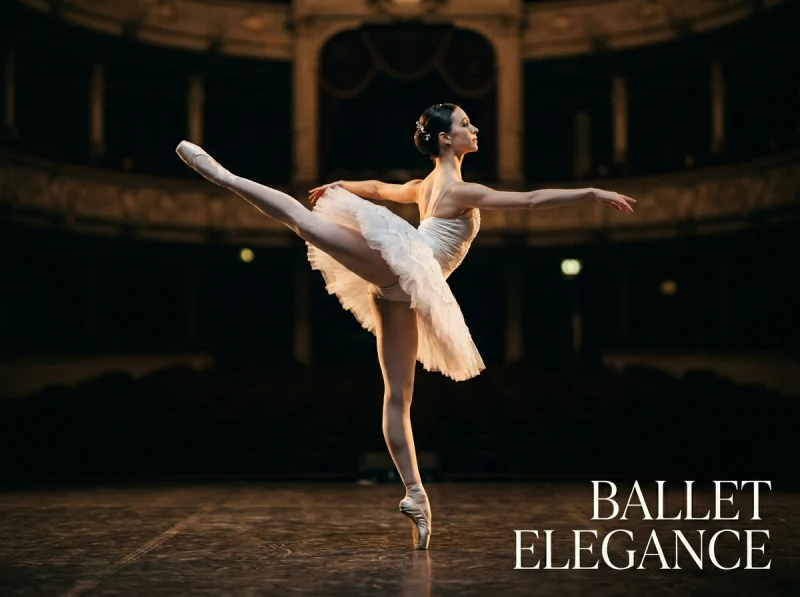
When you step onto the dance floor, the way you carry yourself speaks volumes about your skill and confidence. Dance posture is not merely about standing tall; it encompasses the alignment of your entire body, influencing your movements and overall performance. Proper posture allows you to execute steps with grace and precision, while also reducing the risk of injury.
- Key Takeaways
- Tips for Maintaining Proper Alignment
- Strengthening Core Muscles for Better Posture
- Improving Flexibility and Range of Motion
- Utilizing Proper Foot Placement and Alignment
- Practicing Mindfulness and Body Awareness
- Incorporating Posture Exercises into Your Dance Routine
- Seeking Professional Guidance for Posture Improvement
When you maintain good posture, you create a strong foundation that enhances your ability to express emotions through movement, making your performance more captivating to your audience. Moreover, good posture is essential for effective breathing and energy flow. When your spine is aligned and your shoulders are relaxed, you can take deeper breaths, which in turn fuels your movements with vitality.
This connection between breath and movement is crucial in dance, as it allows you to convey the rhythm and emotion of the music more effectively. understanding the importance of dance posture, you can elevate your performance and ensure that every step you take is both powerful and fluid.
Key Takeaways
- Proper dance posture is essential for preventing injuries and enhancing performance.
- Maintaining proper alignment involves keeping the spine straight and shoulders relaxed.
- Strengthening core muscles is crucial for supporting the spine and maintaining good posture.
- Improving flexibility and range of motion can help dancers achieve better posture and movement.
- Utilizing proper foot placement and alignment is key for maintaining balance and posture while dancing.
Tips for Maintaining Proper Alignment
To maintain proper alignment while dancing, it’s essential to be aware of your body’s positioning at all times. Start by imagining a straight line running from the top of your head down to your feet. This mental image can help you visualize how your body should be aligned.
Keep your chin parallel to the floor and your shoulders relaxed but not slouched. Engaging your core muscles will also assist in maintaining this alignment, providing stability and support as you move. Another effective tip is to regularly check in with your body during practice.
Take a moment to pause and assess your posture in front of a mirror. Are your hips level? Is your back straight?
frequently evaluating your alignment, you can make necessary adjustments before they become ingrained habits. Additionally, consider incorporating posture checks into your warm-up routine. This practice will help reinforce good habits and ensure that you are consistently aware of your body’s alignment throughout your dance session.
Strengthening Core Muscles for Better Posture
A strong core is fundamental to achieving and maintaining proper dance posture. Your core muscles, which include the abdominals, obliques, and lower back muscles, play a crucial role in stabilizing your body during movement. When these muscles are strong, they provide the support needed to keep your spine aligned and your movements controlled.
To strengthen your core, consider incorporating exercises such as planks, bridges, and Pilates into your fitness routine. In addition to traditional core exercises, engaging in activities that promote balance and stability can further enhance your posture. Practices like yoga or tai chi not only strengthen the core but also improve body awareness and control.
As you develop a stronger core, you’ll find it easier to maintain proper alignment while dancing, allowing for more fluid and dynamic movements. Ultimately, investing time in core strength will pay off in the form of improved posture and enhanced performance on the dance floor.
Improving Flexibility and Range of Motion
| Exercise | Frequency | Duration |
|---|---|---|
| Static Stretching | 5 times a week | 15-30 seconds per stretch |
| Dynamic Stretching | 3 times a week | 10-15 minutes per session |
| Yoga | 2 times a week | 60-90 minutes per session |
| Pilates | 2 times a week | 45-60 minutes per session |
Flexibility is another key component of good dance posture. When your muscles are flexible, they allow for a greater range of motion, which is essential for executing various dance styles with ease. To improve flexibility, consider incorporating regular stretching into your routine.
Focus on dynamic stretches before dancing to warm up your muscles and static stretches afterward to increase flexibility over time. In addition to traditional stretching techniques, consider exploring activities like ballet or contemporary dance that emphasize flexibility and fluidity in movement. These styles often incorporate exercises that promote lengthening and stretching of the muscles, which can significantly enhance your overall flexibility.
As you work on improving your range of motion, you’ll notice that maintaining proper posture becomes easier, allowing you to express yourself more freely through dance.
Utilizing Proper Foot Placement and Alignment
Foot placement is a critical aspect of maintaining proper dance posture. Your feet serve as the foundation for all movements, so ensuring they are correctly aligned is essential for balance and stability. Pay attention to how you position your feet during various dance steps; they should be placed shoulder-width apart with weight evenly distributed across the balls and heels.
This alignment will help prevent unnecessary strain on your joints and promote better overall posture. Additionally, consider the importance of pointing or flexing your feet as required by different dance styles. Proper foot placement not only enhances your appearance but also contributes to better control over your movements.
Practicing foot exercises can help improve strength and flexibility in this area, allowing for more precise footwork during performances. focusing on foot placement and alignment, you’ll create a solid base that supports all aspects of your dance practice.
Practicing Mindfulness and Body Awareness
Mindfulness plays a significant role in maintaining good posture while dancing. Being present in the moment allows you to connect with your body and become more aware of how it moves through space. This heightened awareness can help you identify areas where you may be holding tension or misaligning your body.
To cultivate mindfulness in your dance practice, consider incorporating breathing exercises or meditation into your routine. As you become more attuned to your body’s sensations, you’ll find it easier to make adjustments that promote better posture. For instance, if you notice tension in your shoulders or neck while dancing, take a moment to consciously relax those areas before continuing.
This practice not only enhances your posture but also contributes to a more enjoyable dancing experience overall. fostering mindfulness and body awareness, you’ll develop a deeper connection with your movements and improve your overall performance.
Incorporating Posture Exercises into Your Dance Routine
Integrating specific posture exercises into your dance routine can significantly enhance your overall performance quality. Consider dedicating a portion of your warm-up or cool-down sessions to exercises that focus on alignment and stability. Simple movements such as wall angels or shoulder blade squeezes can help reinforce proper posture while also increasing awareness of how different parts of your body work together.
Additionally, consider using resistance bands or stability balls during these exercises to add an extra challenge. These tools can help engage various muscle groups while promoting better alignment and control. As you consistently incorporate these exercises into your routine, you’ll notice improvements in both your posture and overall dance technique.
The key is to remain patient and committed; over time, these small adjustments will lead to significant enhancements in your performance.
Seeking Professional Guidance for Posture Improvement
While self-guided practices can be beneficial, seeking professional guidance can take your understanding of dance posture to the next level. Consider enrolling in classes with experienced instructors who emphasize the importance of alignment and body mechanics in their teaching methods. A knowledgeable teacher can provide personalized feedback on your posture and offer tailored exercises to address any specific challenges you may face.
Additionally, working with a physical therapist or a dance coach specializing in biomechanics can provide valuable insights into how to improve your posture effectively. They can assess your individual needs and create a customized plan that targets areas for improvement while considering any pre-existing conditions or limitations. investing in professional guidance, you’ll gain a deeper understanding of how to maintain proper posture throughout your dance journey, ultimately leading to enhanced performance and reduced risk of injury.
In conclusion, understanding the importance of dance posture is crucial for any dancer looking to elevate their performance. implementing tips for maintaining proper alignment, strengthening core muscles, improving flexibility, utilizing correct foot placement, practicing mindfulness, incorporating specific exercises into routines, and seeking professional guidance when needed, you can significantly enhance both your posture and overall dancing experience. Remember that good posture is not just about aesthetics; it’s about creating a strong foundation that allows for expressive movement while minimizing the risk of injury.
Embrace these practices as part of your journey as a dancer, and watch as they transform not only how you move but also how you feel on the dance floor.
FAQs
What are some tips for improving dance posture?
Some tips for improving dance posture include keeping the spine straight, engaging the core muscles, relaxing the shoulders, and maintaining a balanced stance.
Why is good posture important in dance?
Good posture is important in dance because it allows for proper alignment of the body, which can help prevent injuries, improve balance and stability, and enhance overall performance.
How can dancers maintain good posture while dancing?
Dancers can maintain good posture while dancing by practicing proper alignment, engaging the core muscles, and being mindful of their body positioning and alignment during movement.
What are some common mistakes that can lead to poor dance posture?
Some common mistakes that can lead to poor dance posture include slouching, overarching the back, locking the knees, and allowing the shoulders to hunch forward.
Are there specific exercises or stretches that can help improve dance posture?
Yes, there are specific exercises and stretches that can help improve dance posture, such as Pilates, yoga, and exercises that focus on strengthening the core and back muscles. Stretching the chest and shoulders can also help improve posture.