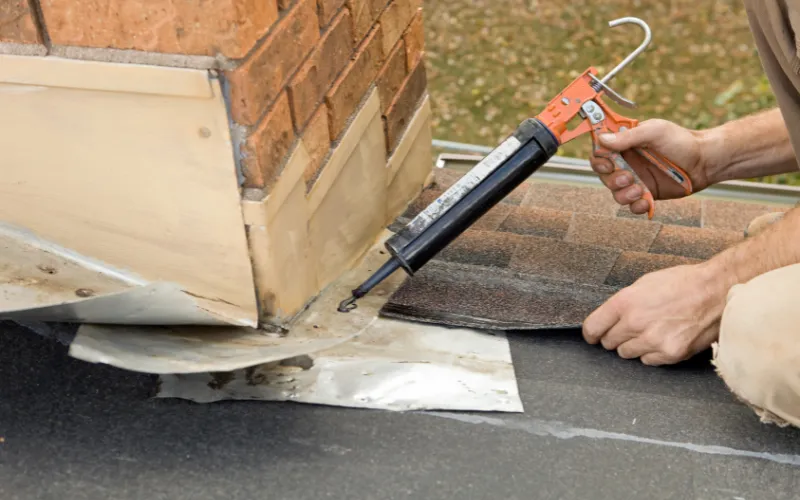
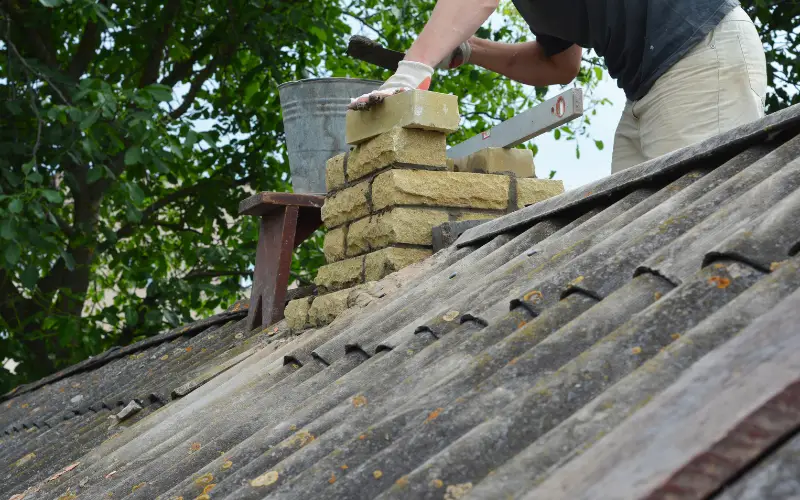
In the United States, many people dream of owning a home. This dream often comes true thanks to the hard work of home builders who focus on residential construction. This busy industry deals with many kinds of projects. They include building new homes and fixing or enlarging old ones. If you want to buy a home or you’re thinking about a job in construction, it is important to understand how residential building works.
Key Highlights
- Residential construction encompasses designing, building, and renovating homes for individuals and families in the United States.
- This industry plays a vital role in the U.S. economy, providing housing for a growing population.
- Understanding local zoning laws, securing necessary permits, and selecting qualified contractors are essential steps.
- Safety should always be a priority on any residential construction site, with proper gear and protocols in place.
- Quality control measures throughout the project ensure the final product meets industry standards and homeowner expectations.
Understanding Residential Construction
Residential construction is the process of building places where people live. These buildings are made to be safe and comfortable for individuals, families, or groups.
There are many types of residential construction projects. They can be small, like fixing up a kitchen or bathroom, or they can be big, like a custom home that costs millions. No matter the size, every successful residential construction project needs good planning, teamwork, and careful work.
Defining Residential Construction in the U.S. Context
In the United States, residential construction is very important for the economy and housing market. The Department of Housing and Urban Development (HUD) helps set rules and guidelines for how residential construction should be done.
There are several common types of residential construction projects in the U.S. Single-family homes are separate houses for one family. Apartment buildings contain several units for different families in one building. Townhouses are a mix of single-family and multi-unit living with homes joined together in a row.
Every type of residential construction has its own aspects to consider. This includes design, materials, zoning rules, and building codes. Knowing these details is crucial for anyone who wants to start a residential construction project.
Comparing Residential and Commercial Construction
Residential and commercial construction both create buildings, but they have different purposes, sizes, and ways of working. Residential buildings are for people or families to live in. They focus on comfort, style, and daily functions.
Commercial construction is about building spaces for businesses. This includes office buildings, shopping malls, and restaurants. These projects tend to be larger and have more complex systems, like advanced heating and electrical systems. They also have stricter rules to support more people and specific business needs.
The types of building materials used can also vary. Residential buildings usually use wood framing. In contrast, commercial structures often use steel or concrete because they are stronger and last longer.
Preparing for Your Residential Construction Project
Before starting any residential construction project, it’s very important to prepare well. This means setting a sensible budget, getting enough money to fund it, and making a clear plan that describes each step of the project.
During this preparation stage, you also need to put together a good team. This team usually includes architects, engineers, contractors, and other subcontractors. Each person has special skills that help make the project successful.
Essential Resources and Equipment for Beginners
Starting a residential construction project, even a small one, needs some key resources. You might need to rent or buy equipment too. One of the first things to do is get accurate architectural drawings. These drawings will act as the guide for the whole project. Licensed architects usually create these drawings. They show the design, size, and materials required for the job.
Next, it is important to get good building materials. This is vital for the strength and durability of the structure. When choosing materials, make sure they are sturdy and follow building codes. You will need materials like lumber, concrete, roofing shingles, and insulation.
The tools you need will depend on the size of the project. Still, some common tools used on a construction site are:
- Safety gear: This includes hard hats, safety glasses, gloves, and steel-toed boots to protect workers.
- Hand tools: Hammers, screwdrivers, tape measures, levels, and saws are essential for different tasks.
- Power tools: For some projects, power drills, saws, and nail guns can help speed up the work.
Navigating Zoning Laws and Building Permits
Before starting any residential construction project, it is important to know and follow local zoning laws. You also need to get the necessary building permits. Zoning laws, usually set by the city or county, tell you how land can be used and what types of buildings can be made in certain areas. These rules often include limits on building heights, how far buildings must be from property lines, and what the land can be used for.
Building permits, given by local government agencies, help make sure construction projects follow safety and building codes. These permits require inspections during construction to confirm everything meets the rules. The Department of Labor and Urban Development (DOL) is also involved in creating national safety standards and fair housing practices in construction.
Not following zoning laws or getting the needed permits can cause expensive delays, legal problems, or even the requirement to tear down structures.
Step-by-Step Guide to Starting Residential Construction
Starting a residential construction project requires a clear process. This helps everything go smoothly and successfully. The first important step is design and planning. It sets the base for all the steps that come after.
You will need to handle budgeting and financing. You will also have to manage contractors and keep safety on-site. Each part of this process needs careful attention. This simple guide will help you understand the key steps to start your residential construction project.
Step 1: Design and Planning
The first step in any residential construction project is the design and planning phase. This is where the homeowner’s ideas turn into a clear plan that guides the entire construction process. The homeowner works closely with an architect to create a design that matches their style, needs, and budget.
Architectural drawings play a big role in this phase. They turn the design into detailed blueprints, showing the building’s layout, size, and structure. These drawings act as a visual guide for the whole construction team. They help with everything from framing to electrical work, plumbing, and the final touches.
During this phase, it’s also important to look at things like site analysis, choosing materials, and following local building codes and zoning rules. The main goal is to make sure that by the end of this design phase, the homeowner and construction team share a clear vision that is both practical and within budget.
Step 2: Budgeting and Financing
Once the design phase is done, it’s time to focus on budgeting and financing. Creating a realistic budget for the construction project is very important. This helps to avoid unexpected costs and keeps the project on schedule. It is necessary to plan for all expenses related to construction, like materials, labor, permits, inspections, and a backup fund for surprise costs.
Getting enough money for the project is just as important. Most homeowners look into options like construction loans, mortgages, or lines of credit to help pay for their projects. It’s key to work closely with lenders, understand the loan terms and interest rates, and have a strong financial plan in this part of the process.
Having a clear budget and a strong financing plan gives the financial support needed to keep the construction project moving ahead confidently.
Step 3: Selecting the Right Contractors and Suppliers
After having a good design and secure finances, the next important step is to choose the right team for your residential construction project. This means finding trustful contractors who know different parts of construction. These parts include framing, roofing, plumbing, electrical work, and HVAC.
The homeowner should carefully check potential contractors. This includes looking at their experience, licenses, insurance, and references from past clients. Getting several bids and comparing quotes helps in making smart decisions. It is also crucial to set up clear communication and explain what you expect about timelines and quality. This way, the relationship between the contractor and the homeowner can be successful.
It’s also really important to select reliable suppliers for building materials. Finding good materials at fair prices keeps the project within budget, without losing quality or strength in the construction.
Step 4: Managing the Construction Process
Managing a residential construction project is not easy. It needs careful review and good teamwork among different parties. During this phase, you must keep an eye on how construction is progressing. It’s important to follow the timeline and meet the quality standards in the contract.
Talking often with contractors, subcontractors, and suppliers is key. This helps solve problems quickly, make smart choices about changes, and keep everything clear through the project. You may have to visit the site, hold progress meetings, and deal with unexpected issues like bad weather or lack of materials.
Good project management helps keep the construction on schedule. This reduces delays and extra costs. It also builds better communication and teamwork, making the construction process smoother for everyone involved.
Maintaining Safety and Quality During Construction
Construction sites can be dangerous, so safety is very important during the project. It is essential to use clear safety rules, follow OSHA regulations, and create a safety-minded culture. These are crucial for a properly managed construction site.
Keeping strict quality control is also important during the project. This means checking materials and work regularly to make sure they meet building codes, industry standards, and what the homeowner expects.
Implementing On-Site Safety Practices
Maintaining a safe work environment on a construction site requires continuous vigilance, proactive measures, and adherence to established safety guidelines. The Department of Labor plays a crucial role in setting and enforcing workplace safety regulations. One of the primary responsibilities of construction managers is to ensure that all workers on site are adequately trained in safety practices and equipped with appropriate personal protective equipment (PPE).
| PPE Item | Body Part Protected | Potential Hazards Prevented |
| Hard Hat | Head | Falling objects, impact |
| Safety Glasses | Eyes | Dust, debris, flying particles |
| Gloves | Hands | Cuts, abrasions, chemicals |
| Steel-toed Boots | Feet | Punctures, crushing injuries |
| High-Visibility Vest | Entire Body | Struck-by hazards, visibility |
Regular safety inspections, hazard identification, and prompt corrective actions are crucial to minimize risks. prioritizing safety, construction projects can significantly reduce the likelihood of accidents or injuries.
Quality Control Measures for Residential Construction
In residential construction, good quality control is key. It helps make sure the homeowner gets a strong, safe, and well-built home. This means having a system to check everything during construction. This way, materials and work meet the set standards.
Quality control starts with choosing top-notch building materials that follow building codes and meet expected performance. It’s important to inspect materials when they arrive at the construction site to catch any defects or problems.
Regular inspections are also important all through the construction process. These checks can include making sure the framing is straight and level, the insulation is installed right, the electrical wiring meets the code, and there are no leaks in the plumbing systems. sticking to quality control steps, residential construction can give homeowners homes that meet their expectations.
Conclusion
Residential construction is a big task that needs careful planning and action. knowing the details of residential construction and following a clear plan, you can manage the process well. Every step is important, from defining what the project is about to choosing contractors and keeping things safe. Focusing on quality, safety, and rules helps make your project successful. If you are thinking about starting a residential construction project, make sure you have the right knowledge, resources, and support to turn your ideas into reality. Good luck with your building efforts!
Frequently Asked Questions
What is the average timeline for a residential construction project?
The time it takes to finish a residential construction project can change a lot. It depends on the size, complexity, and how well the planning and work are done at each stage. Generally, building a single-family home may take about six months to a year to complete.
How do I choose the right contractor for my project?
Choosing the right contractor is important for homeowner satisfaction. Look at their qualifications and experience. Pay attention to how well they communicate. It is also essential to ask for references and check their insurance before you decide.
What are common mistakes to avoid in residential construction?
Common mistakes in house building happen when there is not enough planning, when budgets are too unrealistic, or when the right contractor is not chosen. To avoid these issues, it is important to do proper research, talk openly, and set realistic goals.
Are there eco-friendly options for residential construction?
Sustainable building practices and eco-friendly materials are becoming popular in home construction. Using recycled or responsibly sourced materials helps improve energy efficiency. It also reduces waste during building. This all leads to a more environmentally friendly way to construct homes.
Can I modify plans once construction has started?
Changing plans during construction can cause delays and extra costs. It’s better to make all design decisions with the contractor before starting. This way, you can reduce changes and help the project go smoothly.