Key Highlights: Always hire a masonry contractor who is fully licensed and insured for your protection. Verify their experience by reviewing client references and examples of past work. Insist on a detailed written estimate and contract before any work begins. Ask about the project timeline and who will be managing the day-to-day work. Inquire about their masonry services, material sourcing, and cleanup policies. Choose a professional who communicates clearly and answers all your questions.
Introduction
As a property owner, starting a new masonry project is exciting. Whether you are building a new patio, repairing a chimney, or installing a stone walkway, the right professional makes all the difference. To ensure you receive quality work that lasts for decades, it is crucial to find a skilled and reliable masonry contractor. This guide will walk you through the essential steps and what to look for, helping you hire with confidence and achieve the best results for your home.
Essential Things to Look for in a Masonry Contractor
Finding the right masonry contractor involves more than just a quick search. You need to carefully evaluate their credentials, experience, and business practices. A professional’s qualifications are a strong indicator of the quality of their masonry services and their commitment to customer satisfaction.
Checking for proper licensing, insurance, and positive reviews are all key steps. asking the right questions, you can feel confident you are hiring the right masonry contractor for your job. The following sections will cover the most important qualities to look for during your search.
1. Verify Proper Licensing and Insurance
The first step in vetting any masonry contractor is to confirm they are properly licensed and insured. This is non-negotiable, as it protects you from liability in case of accidents or property damage. A reputable contractor will readily provide proof of their insurance and licensing. You can often verify a general contractor’s license through your state’s official website.
Additionally, look for any special certifications. The Mason Contractors Association of America (MCAA) offers certification that shows a contractor meets high industry standards. You can also check their rating with the Better Business Bureau for any past complaints or issues.
Before hiring, be sure to request and verify:
- Proof of general liability insurance
- Workers’ compensation coverage
- A copy of their current general contractor’s license or state registration
2. Assess Experience With Brick, Stone, and Block Projects
Not all masons have the same expertise. Some specialize in specific materials or types of projects, so it is important to find a contractor with experience relevant to your needs. A contractor with many years of experience in brick restoration will be a better fit for repairing an old wall than someone who primarily installs new stone veneer patios.
Ask potential contractors about their specialties and the types of masonry services they offer most often. Do they focus on artistic walkways, structural repairs, or outdoor kitchens? Understanding their niche helps you determine if their skills align with your project goals. A contractor should be transparent about their core competencies.
Masons often have experience working with various materials, including:
- Brick
- Stone
- Concrete blocks
3. Review Client References and Past Work
A reputable masonry contractor will be proud of their work and happy to share it. Ask for a portfolio of their completed projects and a list of references from previous clients. Taking the time to contact these references gives you firsthand insight into their workmanship, professionalism, and reliability. If a contractor is hesitant to provide references, consider it a red flag.
In addition to direct references, check online reviews. Websites like Angi and the Better Business Bureau offer independent feedback from other homeowners. Reading through online reviews on multiple sites can give you a well-rounded view of the contractor’s reputation in your local area. Pay attention to comments about communication, timeliness, and overall satisfaction.
To find the best contractor near you, you should:
- Ask for references from previous clients and follow up with them.
- Look at online review sites for unbiased feedback.
- Review their portfolio of past projects.
4. Request Written Estimates and Clear Contracts
Never start a project without a detailed written estimate. This document should break down all anticipated costs, including materials, labor, and any permit fees. Getting a comprehensive estimate is essential for budgeting and helps prevent surprise charges later. A reputable masonry contractor will provide this without hesitation, as it promotes transparency and open communication.
Once you agree on the estimate, make sure a formal written contract is drafted. This legal document should outline the complete scope of work, project timeline, payment schedule, and warranty information. A contract protects both you and the contractor, ensuring everyone is on the same page before any work begins or money changes hands.
Key documents to get in writing include:
- A detailed written estimate with a cost breakdown
- A comprehensive written contract
- The project’s scope of work and payment schedule
5. Discuss Project Timeline and Management
Clear project management is vital for a smooth process. Before signing a contract, discuss the expected timeline for completion. Ask about their plan for handling potential delays, such as bad weather. A professional contractor should have a contingency plan in place to keep the project on track as much as possible.
It’s also important to know who will be overseeing the work. Don’t assume the person providing the estimate will be the project manager. Clarify who your main point of contact will be and how the project management process works. You want to ensure there is a capable crew and a dedicated person responsible for the quality and progress of the job.
Key questions to ask about project management are:
- Who will be my primary point of contact during the project?
- What is the estimated timeline, and how are potential delays handled?
- Will you be using any subcontractors for this job?
6. Ask About Materials Sourcing and Cleanup Policies
Understanding the logistics of materials and cleanup is just as important as the work itself. Ask the contractor about their materials sourcing process. Will they purchase the materials, or are you responsible for it? Contractors often get better pricing, but it is good to clarify this and have it in the contract. Also, inquire about any warranties on their work or the materials used.
A commitment to excellence extends to how a contractor treats your property. Discuss the plan for daily and final cleanup of the site. A professional crew will leave the work area tidy at the end of each day and perform a thorough final cleanup once the project is finished. This shows respect for your home and is a hallmark of a quality contractor.
Be sure to ask about:
- Who is responsible for purchasing and storing materials?
- What warranties are offered for labor and materials?
- What is the daily and final cleanup policy?
Comparing Residential vs. Commercial Masonry Contractors
Masonry contractors often specialize in either residential or commercial projects, and there are key differences between the two. Commercial masonry projects are typically larger in scale and may involve different building codes and materials than residential projects. These jobs often require a larger crew and more extensive equipment.
In contrast, residential masonry focuses on homes and includes projects like patios, fireplaces, and retaining walls. While some masonry companies handle both, it’s helpful to know a contractor’s primary focus to ensure they have the right experience for your specific needs. The following sections explore these distinctions further.
Key Differences in Services Offered
The services offered by residential and commercial masonry contractors often differ in scope and complexity. Residential masons typically focus on projects that enhance a home’s aesthetic appeal and functionality. This can include detailed stonework for a custom fireplace, intricate brickwork for a new patio, or building a decorative retaining wall.
Commercial contractors, on the other hand, usually handle large-scale structural work. Their services might include laying concrete foundations for new buildings, constructing large block walls, or applying brick and stone veneers to commercial facades. While both use similar core skills, the scale and technical requirements are distinct.
| Residential Services | Commercial Services |
| Fireplaces | Large Structural Walls |
| Patios and Walkways | Building Facades and Veneers |
| Retaining Walls | Concrete Foundations & Slabs |
| Chimney Repair | Large-Scale Concrete Work |
Questions to Ask for Your Type of Project
Asking the right questions tailored to your specific type of project is crucial for hiring the best masons for the job. If you need a chimney repaired, you should ask about their experience with tuckpointing and chimney caps. For a new patio, you might inquire about their design process and the types of pavers they recommend for your climate.
Before meeting with contractors, create a clear outline of your project’s scope of work. This includes the size of the project, the materials you prefer, and your desired outcome. Communicating these details helps contractors provide a more accurate estimate and allows you to gauge whether they have the proper experience. A detailed plan helps ensure you and your contractor are aligned from the start.
For your specific type of project, consider asking:
- Can you show me examples of similar projects you have completed?
- What materials do you recommend for this job and why?
- Are you aware of any local permit requirements for this work?
Cost Factors When Hiring a Masonry Contractor in Missouri
The cost of hiring a masonry contractor in Missouri can vary based on several factors, including your location, the complexity of the job, and the materials used. The average cost for services in cities like Kansas City or Springfield, MO, may differ from prices in smaller towns like Branson due to local labor rates and material availability.
Understanding these variables will help you set a realistic budget for your project. The size of the project and the type of masonry work required are the biggest drivers of cost. The following sections provide more detail on average pricing and how estimates work.
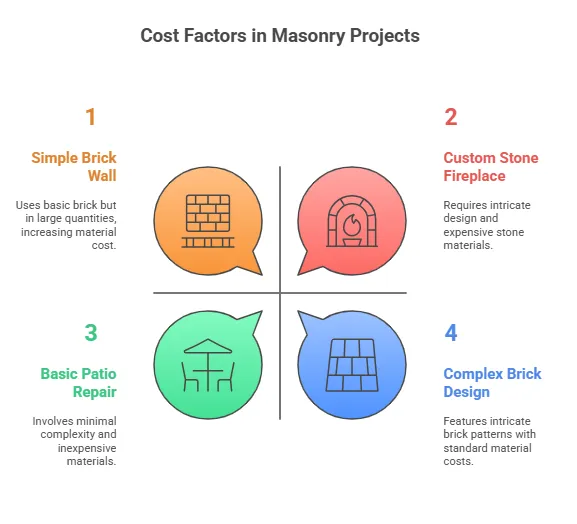
Average Pricing for Common Masonry Services
When budgeting for your project, it is helpful to have a general idea of the average costs for common masonry services. Keep in mind that these are just estimates, and your final price will depend on the specifics of your job. It’s always a good idea to get a detailed online quote or in-person estimate from a few different contractors.
Remember that the lowest bid is not always the best choice. Quality materials and expert craftsmanship are investments that pay off in durability and longevity. A significantly lower price could indicate subpar materials or inexperienced labor, which might cost you more in repairs down the road.
How Online Quotes and Estimates Work
Many masonry contractors now offer online quotes to give you a preliminary idea of costs. While convenient, these initial estimates are often based on the general information you provide. For a firm price, a contractor will usually need to visit the site to assess the scope of work accurately.
To get the most accurate online quote possible, be prepared to provide detailed information about your project. This helps the contractor understand your needs and give you a more realistic estimate. After receiving an online quote, the next step is to schedule an in-person consultation to get a formal written estimate. This ensures all factors are considered, helping you make an informed decision.
For an accurate online quote, be sure to include:
- The type of project (e.g., patio, wall repair)
- The approximate size or square footage
- The type of materials you want to use (e.g., brick, stone)
Conclusion
Choosing the right masonry contractor can significantly impact the success and durability of your project. following the essential guidelines—such as verifying licensing, assessing experience, reviewing past work, and discussing clear contracts—you ensure that you’re entrusting your project to a professional who values quality craftsmanship. Understanding the differences between residential and commercial masonry contractors is also vital to find the best fit for your needs. Remember, investing time in selecting the right contractor not only saves you money and stress in the long run but also guarantees a beautiful finish that stands the test of time. If you’re ready to begin your masonry project, reach out for a consultation today to ensure you make the best choice for your needs.
Frequently Asked Questions
How can I find the best masonry contractor near me?
To find the best masonry contractor, start by asking for recommendations from friends and neighbors. Check online review sites and read feedback from previous clients. Always verify their licenses and insurance, and review their portfolio to ensure their masonry services match the quality and style you want for your project.
What should I ask before hiring a masonry contractor?
Before hiring, ask for proof of licensing and insurance. Inquire about their experience with your type of project, the estimated timeline, and the total cost in a written estimate. Also, clarify the scope of work, who will manage the project, and what their cleanup policy is.
Is stone masonry different from brick masonry for contractors?
Yes, stone masonry and brick masonry are different types of masonry work that require specific skills. Brick masonry involves uniform units, while stone masonry uses irregular or shaped stones. Experienced masons often specialize in one or the other, so it’s important to hire someone with the right qualifications for your material.