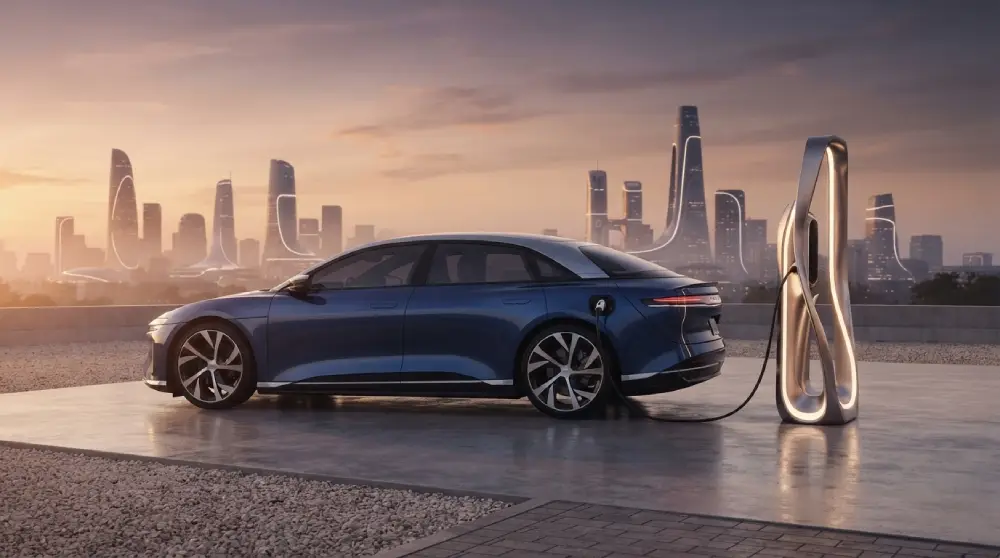
The electric vehicle industry has become one of the most talked about sectors in the world today. From passenger cars to delivery vans and public transport, electric vehicles are changing how people and goods move across cities and countries. This shift is not just about new technology, it reflects a broader change in how the world thinks about energy, transportation, and the environment.
- Understanding the Electric Vehicle Industry
- What Makes Electric Vehicles Different
- Key Components of Electric Vehicles
- Growth Drivers Behind the Electric Vehicle Industry
- The Role of Innovation in Shaping the Industry
- The Future Outlook of the Electric Vehicle Industry
- Conclusion
- Frequently Asked Questions
Understanding the Electric Vehicle Industry
The electric vehicle industry includes every company, technology, and process involved in designing, building, and maintaining vehicles that run on electric power instead of traditional fuel. This covers manufacturers, battery producers, charging infrastructure providers, software developers, and even recycling companies that handle old batteries responsibly.
What Makes Electric Vehicles Different
Unlike traditional vehicles, electric vehicles rely on electric motors and rechargeable battery packs instead of internal combustion engines. This fundamental difference changes how vehicles are designed, how they perform, and how they are maintained over time.
Key Components of Electric Vehicles
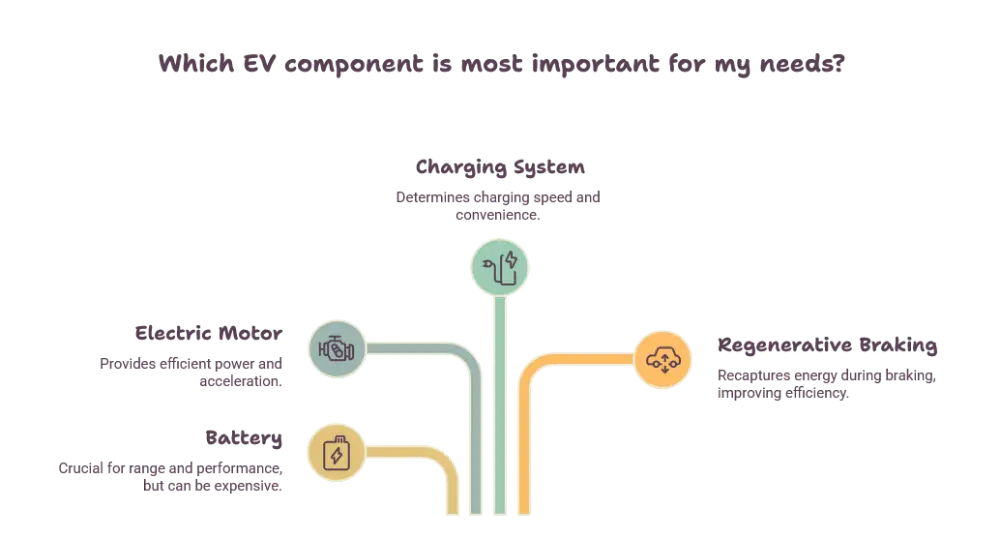
Every electric vehicle depends on a few core components working together smoothly.
Battery Systems
The battery pack is the heart of any electric vehicle. It stores the energy needed to power the motor and determines how far a vehicle can travel on a single charge. Advances in battery chemistry continue to improve efficiency and lifespan.
Electric Motors
Electric motors convert stored energy into motion. They are generally simpler than combustion engines, with fewer moving parts, which often results in lower maintenance requirements.
Charging Infrastructure
Charging stations, whether at homes, workplaces, or public locations, form the backbone of the electric vehicle ecosystem. Without reliable charging networks, widespread adoption would be difficult.
Growth Drivers Behind the Electric Vehicle Industry
Several factors are pushing the electric vehicle industry forward at a rapid pace.
Environmental Awareness
Growing concern about climate change and air pollution has encouraged individuals and governments alike to consider cleaner transportation options. Electric vehicles produce zero tailpipe emissions, making them an attractive alternative for reducing environmental impact.
Technological Advancements
Improvements in battery technology, software integration, and vehicle design have made electric vehicles more practical and reliable than ever before. These advancements continue to expand what electric vehicles can offer.
Supportive Government Policies
Many governments around the world are introducing supportive regulations and incentives aimed at encouraging cleaner transportation. These policies play a significant role in shaping industry growth.
Challenges Facing the Electric Vehicle Industry
Despite strong momentum, the electric vehicle industry faces several ongoing challenges that require attention.
Battery Supply Chain
Sourcing raw materials for batteries responsibly and sustainably remains a complex challenge for manufacturers across the globe.
Charging Accessibility
Expanding charging infrastructure to rural and underdeveloped areas remains a work in progress, and consistent accessibility is essential for broader adoption.
Grid Capacity
As more electric vehicles enter the market, energy grids must adapt to handle increased demand for electricity, especially during peak charging hours.
The Role of Innovation in Shaping the Industry
Innovation continues to be the driving force behind the electric vehicle industry. Companies are investing heavily in research to improve battery efficiency, vehicle range, and overall performance.
Software and Connectivity
Modern electric vehicles increasingly rely on software for navigation, diagnostics, and performance optimization. This has turned vehicles into smart, connected devices rather than simple modes of transport.
Sustainable Manufacturing
Manufacturers are exploring sustainable production methods, including recycling materials and reducing waste during the manufacturing process.
Electric Vehicles Beyond Passenger Cars
The electric vehicle industry is not limited to personal cars. Electric buses, delivery trucks, and even two wheelers are becoming increasingly common in urban environments. This diversification is helping industries reduce their environmental footprint across multiple sectors.
Public Transportation
Cities around the world are gradually introducing electric buses to reduce emissions and noise pollution in urban areas.
Commercial Fleets
Businesses are exploring electric vans and trucks for logistics and delivery services, aiming to align with sustainability goals while improving operational efficiency.
The Future Outlook of the Electric Vehicle Industry
The future of the electric vehicle industry looks promising as technology continues to evolve and adoption grows across different regions. Continued investment in infrastructure, battery innovation, and sustainable practices will likely shape the next phase of growth.
As more industries embrace electrification, the electric vehicle sector is expected to play an increasingly central role in global transportation systems, influencing how people commute, how goods are delivered, and how cities are designed for the future.
Conclusion
The electric vehicle industry represents a significant shift in how the world approaches transportation. With continuous advancements in battery technology, charging infrastructure, and vehicle design, this industry is poised to remain a key part of the global movement toward cleaner and smarter mobility. As challenges are addressed and innovation continues, electric vehicles are likely to become an even more integral part of everyday life.
Frequently Asked Questions
What is the electric vehicle industry?
The electric vehicle industry refers to the sector involved in designing, manufacturing, and supporting vehicles powered by electric motors and rechargeable batteries instead of traditional fuel engines.
How do electric vehicles work?
Electric vehicles use stored energy in battery packs to power an electric motor, which then drives the wheels, eliminating the need for a traditional combustion engine.
What are the main components of an electric vehicle?
The main components include the battery pack, electric motor, and charging system, all of which work together to power and operate the vehicle.
Why is charging infrastructure important for electric vehicles?
Charging infrastructure ensures that electric vehicle owners have reliable access to power, which is essential for daily use and long distance travel.
What is the future of the electric vehicle industry?
The future of the electric vehicle industry looks strong, with ongoing innovation in battery technology, expanding charging networks, and growing adoption across passenger and commercial vehicle segments.