
You’re navigating the often-turbulent waters of the service industry, aren’t you? It’s a world brimming with opportunity, but also with its fair share of challenges that can test your mettle. From the frantic pace of a dinner rush to the quiet resolve needed to handle a difficult customer, your days are likely a dynamic blend of problem-solving and person-to-person interaction. You’re the one on the front lines, embodying the brand, and your ability to effectively navigate these hurdles directly impacts the success of your establishment and your own career trajectory. This isn’t just about pouring drinks or taking orders; it’s about mastering the art of human connection while operating under pressure.
The Evolving Landscape of Customer Expectations
You’ve witnessed it firsthand, haven’t you? Customer expectations aren’t static; they’re constantly shifting, amplified by social media, online reviews, and an ever-increasing array of choices. What was once considered exceptional service is now often the baseline. You feel this pressure to be not just good, but consistently outstanding. Your customers are more informed, more vocal, and often more demanding than ever before.
Understanding the Digital Influence
Remember a time when a lost reservation was a minor inconvenience? Now, a single negative online review can reach hundreds, even thousands, of potential patrons before you’ve even had a chance to brew your first pot of coffee. You need to be acutely aware of your digital footprint. This means not only ensuring your online presence is accurate and appealing but also actively managing your reputation. You’re constantly monitoring review sites, responding thoughtfully to feedback – both positive and negative – and encouraging satisfied customers to share their experiences. It’s a delicate dance between curated perfection and authentic engagement. You’re learning to leverage the power of social media for promotion, but also to mitigate potential damage from disgruntled voices. The speed at which information travels means you have to be agile, responsive, and always on your game.
The Rise of Personalization
Gone are the days of one-size-fits-all service. Your customers crave personalized experiences. They want you to remember their names, their preferences, and their usual orders. This isn’t just about making them feel special; it’s about building loyalty. You find yourself striving to recall that regular’s favorite wine, or knowing that a particular dietary restriction is a non-negotiable. This requires a keen eye for detail, effective communication with your team, and a genuine interest in the people you serve. You’re not just providing a product or service; you’re crafting an individual journey for each customer. This can be demanding, requiring mental bandwidth to juggle multiple interactions and preferences simultaneously.
The Demand for Speed and Efficiency
In today’s fast-paced world, time is a precious commodity. Your customers expect their needs to be met promptly and efficiently. This means you’re likely always on the move, streamlining processes, and anticipating needs before they’re even articulated. From quick order taking to swift table turns, every second counts. You’re constantly looking for ways to optimize your workflow, whether it’s through better organization, improved technology, or more effective teamwork. You see how delays can lead to frustration, potentially impacting both the customer’s experience and your establishment’s earning potential.
Mastering the Art of Customer Complaint Resolution
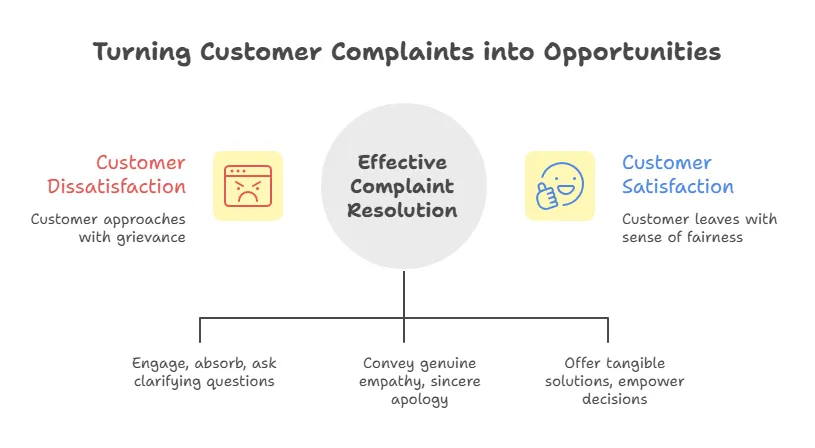
You’ve faced them, haven’t you? Those moments when a customer approaches with a furrowed brow and a story of dissatisfaction. These aren’t just problems to be fixed; they are opportunities to showcase your commitment to excellence and to potentially turn a negative into a lasting positive. Handling complaints with grace and effectiveness is a crucial skill in your arsenal.
The Power of Active Listening
When a customer is expressing a grievance, your first and most vital tool is your ability to listen. You need to actively engage, not just hear. This means making eye contact, nodding, and showing genuine empathy. You’re not interrupting, you’re not formulating your defense; you’re absorbing their concern. You ask clarifying questions to ensure you fully understand the issue, demonstrating that their perspective matters. You’re learning to differentiate between a genuine problem and a misunderstanding, and your careful listening helps you do just that. It’s about making them feel heard and understood, which is often half the battle won.
Empathy and Apology: The Cornerstones of Recovery
Once you understand the problem, your next step is to connect emotionally. You need to convey genuine empathy, acknowledging their frustration or disappointment. A sincere apology, even if you weren’t directly at fault, can go a long way. You’re not admitting defeat; you’re acknowledging their experience. Phrases like “I can understand why you’d be upset,” or “I’m so sorry that happened” can diffuse tension and open the door for resolution. You practice this in your mind, rehearsing these empathetic responses so they come naturally in stressful situations. You understand that a well-timed apology can mend bridges and rebuild trust.
Finding Practical Solutions
The apology sets the stage, but action is what truly resolves the situation. You need to offer tangible solutions that address the customer’s concern. This might involve remaking a dish, offering a discount, providing a complimentary item, or finding an alternative that satisfies their needs. You need to be empowered to make decisions, or know who to escalate to, to resolve issues efficiently. You learn to think on your feet, creatively finding solutions that align with your establishment’s policies while prioritizing customer satisfaction. Your goal is to leave them with a sense of fairness and a reason to return. You don’t just want to fix the immediate problem; you want to prevent it from happening to them again.
Managing High-Pressure Situations and Stress
You know the feeling, don’t you? That adrenaline surge during a peak service period, where the orders are piling up, the phones are ringing, and multiple customers are vying for your attention. Navigating these high-pressure situations without cracking is a fundamental part of your job. It requires a blend of resilience, strategic thinking, and self-awareness.
Developing Effective Time Management Strategies
In the whirlwind of service, your ability to manage your time is paramount. You’re constantly prioritizing tasks, delegating when possible, and optimizing your movements to be as efficient as you can be. You’ve likely developed your own internal clock, an intuitive sense of what needs to be done next. You might be mentally mapping out your route to the kitchen, anticipating the next table you need to attend to, or pre-bussing tables as you pass them. You understand that even small delays can cascade into larger problems, so you’re always looking for opportunities to save time without sacrificing quality.
Cultivating a Calm Demeanor
It’s easy to get caught up in the chaos, but you understand the importance of maintaining a calm and professional demeanor. Your composure can significantly influence the mood of both your colleagues and your customers. You practice deep breathing exercises, learn to compartmentalize, and remind yourself that panicking will only exacerbate the situation. You focus on one task at a time, breaking down overwhelming workloads into manageable steps. You’re learning to project an air of control, even when you feel anything but. This calmness is infectious, creating a more positive environment for everyone involved.
The Importance of Teamwork and Communication
You’re not an island, are you? In the service industry, teamwork is not just a buzzword; it’s a survival instinct. Effective communication is the lifeblood of a well-oiled service operation. You’ve learned to anticipate the needs of your colleagues, to offer help without being asked, and to communicate clearly and concisely, especially when time is of the essence. You’re part of a unit, and your success is intertwined with the success of the entire team. You’ve seen how communication breakdowns can lead to mistakes, frustration, and a decline in service quality. You actively work to foster a supportive and collaborative environment.
Prioritizing Self-Care and Preventing Burnout
You’re human, and the relentless pace of service can take its toll. Recognizing the signs of burnout and proactively implementing self-care strategies is essential for your long-term well-being and your ability to consistently perform. You understand that you can’t pour from an empty cup. When you’re feeling overwhelmed, you learn to step away for a moment, to grab a quick drink of water, or to engage in a short, refreshing conversation with a colleague. You’re learning to set boundaries, to disconnect when you’re off duty, and to engage in activities that recharge your batteries. This isn’t selfish; it’s strategic. A well-rested and mentally healthy you is a far more effective and resilient service professional.
Building and Maintaining a High-Performing Team
You understand that your individual efforts are amplified by the collective strength of your team. Building a cohesive, motivated, and skilled team is one of the most significant challenges, but also one of the most rewarding aspects of your role.
Effective Recruitment and Onboarding
You know that the right people are the foundation of any successful service operation. This means you invest time and effort in finding individuals who not only possess the necessary skills but also the right attitude and work ethic. Once you’ve found them, your onboarding process is crucial. You ensure they are thoroughly trained, understand your establishment’s values, and feel welcomed and supported from day one. You’re not just handing them a manual; you’re integrating them into the team culture.
Continuous Training and Development
The service industry is always evolving, and so too must your team. You are committed to providing ongoing training and development opportunities. This could involve cross-training staff in different roles, introducing new service techniques, or keeping them updated on menu changes and new promotions. You see training not as a one-time event, but as a continuous process that fosters growth, confidence, and adaptability within your team. You empower them to learn and to take on new challenges, recognizing that their development is directly linked to the overall success of the operation.
Fostering a Positive Work Environment
You actively cultivate a workplace that is respectful, inclusive, and supportive. This means addressing conflicts promptly and fairly, encouraging open communication, and celebrating successes. You understand that a positive work environment reduces stress, increases morale, and minimizes staff turnover. You lead by example, demonstrating the behavior you expect from your team. You create a space where everyone feels valued and respected, knowing that their contributions are recognized and appreciated.
Recognizing and Rewarding Performance
You understand the power of appreciation. When your team members go the extra mile, exceed expectations, or demonstrate exceptional skill, you make sure they are recognized and rewarded. This could be through verbal praise, small bonuses, opportunities for advancement, or even just a simple “thank you.” You know that acknowledging good work motivates individuals and reinforces the desired behaviors, creating a culture of excellence. You don’t just expect good performance; you actively encourage and reward it.
Navigating Ethical Dilemmas and Difficult Situations
The service industry can present you with complex ethical dilemmas and situations that require careful judgment and a strong moral compass. You are often the face of your establishment, and your actions and decisions reflect on the brand.
Upholding Standards and Policies
You are responsible for ensuring that your team adheres to all established company policies and procedures. This includes everything from hygiene and safety regulations to service protocols and conflict resolution guidelines. You understand the importance of consistency and fairness in enforcing these standards, and you’re prepared to address any deviations with professionalism and clarity. You don’t waver on core principles, even when faced with pressure to compromise.
Handling Difficult Staff Interactions
You may encounter situations where you need to address underperformance, disciplinary issues, or interpersonal conflicts among staff. You approach these conversations with tact, professionalism, and a focus on constructive feedback. You strive to be fair, objective, and to provide support for improvement while also holding individuals accountable for their actions. Clear documentation and adherence to HR procedures are often part of this challenging but necessary aspect of your role.
Dealing with Subtly or Overtly Unethical Behavior
You may witness or be asked to participate in something that goes against your ethical principles. This could range from minor deceptions to more serious transgressions. You rely on your strong sense of integrity to navigate these situations. You are prepared to speak up when necessary, to seek guidance from superiors or HR if required, and to ensure that your actions align with the values you believe in. You understand that short-term gains achieved through unethical means are never worth the long-term damage to your reputation and your conscience.
Maintaining Confidentiality and Professional Boundaries
You often gain insights into customers’ and colleagues’ personal lives. Maintaining strict confidentiality and professional boundaries is crucial. You understand that gossip and the unwarranted disclosure of information can damage trust and create a hostile work environment. You are discreet and respectful of people’s privacy, ensuring that sensitive information remains within appropriate channels. You maintain a professional distance, even when you build rapport with individuals.
You are constantly learning, adapting, and growing within this dynamic industry. The challenges you face are not roadblocks but rather stepping stones to developing resilience, leadership, and a deeper understanding of human behavior. mastering these skills, you not only contribute to the success of your establishment but also carve out a fulfilling and impactful career for yourself. The service industry is your proving ground, and with each challenge you navigate, you become a more seasoned and sophisticated professional.
FAQs
What are the common challenges in the service industry?
Some common challenges in the service industry include high customer expectations, employee turnover, maintaining quality service, and adapting to new technology.
How do high customer expectations impact the service industry?
High customer expectations can put pressure on service providers to consistently deliver exceptional service, which can be challenging to maintain. Meeting and exceeding these expectations is crucial for customer satisfaction and retention.
What is the impact of employee turnover on the service industry?
Employee turnover can have a significant impact on the service industry, leading to increased recruitment and training costs, decreased productivity, and potential disruptions in service quality. Retaining skilled and experienced employees is essential for the success of service businesses.
How does the service industry maintain quality service?
Maintaining quality service in the service industry requires ongoing training and development for employees, implementing effective quality control measures, and continuously seeking feedback from customers to identify areas for improvement.
How is the service industry adapting to new technology?
The service industry is adapting to new technology by implementing digital solutions for customer service, streamlining operations with automation, and utilizing data analytics to improve service delivery and customer experience. Embracing technology is essential for staying competitive in the evolving service landscape.