You’ve probably heard the age-old advice about diet and exercise for weight loss. But what if one of those exercises didn’t feel like a chore, but rather a joyous celebration? What if shedding pounds could be an experience filled with rhythm, movement, and a healthy dose of fun? You might be wondering, “Can dancing really help me lose weight?” The answer, as you’ll discover, is a resounding yes, and it’s backed by a growing body of evidence and the enthusiastic endorsements of fitness professionals.
The Science Behind the Salsa: How Dancing Torches Calories
When you engage in any physical activity, you burn calories. Dancing is no exception; in fact, it’s a highly effective way to expend energy and, therefore, shed those unwanted pounds. But it’s more than just simple calorie burning. The dynamic nature of dance engages multiple muscle groups, elevates your heart rate, and keeps your body moving in ways that sedentary activities simply can’t.
The Caloric Cost of a Cha-Cha
Think about the last time you saw someone really getting down on the dance floor. Their movements were fluid, powerful, and sustained. This sustained effort requires your body to tap into its energy stores, primarily from the calories you’ve consumed. The more intense and prolonged your dance session, the more calories you’ll burn. Different dance styles offer varying levels of intensity, but even a moderate tempo can deliver a significant caloric expenditure. For instance, a lively session of Zumba or hip-hop can burn hundreds of calories an hour, putting it on par with other popular forms of cardio like running or cycling. The beauty of dance is that you’re often so engrossed in the music and the movement that you don’t even realize the strenuous workout you’re getting.
Beyond Just Burning: Building Lean Muscle
You might associate weightlifting with muscle building, but dancing, particularly certain styles, is surprisingly effective at developing lean muscle mass. When you perform turns, jumps, and intricate footwork, you’re engaging your core, legs, and even your upper body. Building lean muscle is crucial for weight loss because muscle tissue burns more calories at rest than fat tissue. This means that as you get stronger through dancing, your metabolism will get a boost, making it easier to maintain a healthy weight in the long run. Professional dancers often boast incredibly toned physiques for a reason – their art form inherently sculpts their bodies.
The Cardio-Strength-Flexibility Trifecta
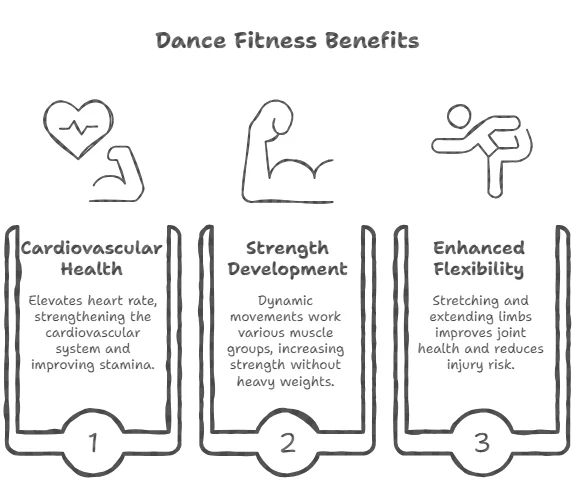
One of the unique advantages of dance as a weight loss tool is its ability to combine three essential elements of fitness: cardiovascular training, strength building, and flexibility.
- Cardiovascular Health: Your heart rate elevates during dance, strengthening your cardiovascular system and improving your stamina. This is crucial for overall health and makes everyday activities easier.
- Strength Development: As mentioned, the dynamic movements inherent in dance work various muscle groups, leading to increased strength without the need for heavy weights. Your legs, core, and glutes get a particularly good workout.
- Enhanced Flexibility: Dance requires and promotes flexibility. Stretching and extending your limbs through different ranges of motion improves your joint health and reduces your risk of injury. This comprehensive approach to fitness makes dance a highly efficient and holistic workout.
The Sustained Success: Why You’ll Stick With Dancing
One of the biggest hurdles in any weight loss journey is adherence. Many people start with great intentions but quickly lose motivation when their exercise routine feels like a chore. This is where dancing truly shines as a weight loss aid.
The Enjoyment Factor: Making Exercise Fun
Let’s be honest: trudging on a treadmill for an hour can feel like a monotonous task. But dancing? Dancing evokes joy. The music, the movement, the expressive freedom – these elements transform exercise from a duty into a delight. Expert trainers like Paige Verity Davis and Adam Harris consistently highlight this enjoyment factor as a key differentiator for dance. When you actually look forward to your workout, you’re far more likely to stick with it. This increased adherence, especially in programs lasting three months or more, is a significant reason why dance has been shown to lead to sustainable weight loss. The PLOS One Systematic Review, which analyzed 10 studies on dance for overweight and obese individuals, found that high adherence, largely due to enjoyment, was a critical factor in the significant reductions in body mass, BMI, waist circumference, fat percentage, and fat mass observed in participants.
The Social Element: Connection and Motivation
Many dance forms are inherently social. Think of a Zumba class, a salsa night, or a community bhangra session. These environments foster a sense of camaraderie and shared purpose. Exercising with others can provide a powerful dose of motivation and accountability. When you know your dance friends are expecting you, you’re less likely to skip a session. This social interaction transcends mere exercise; it becomes a community experience that enriches your life beyond just physical fitness. This aspect can make dance feel less like “exercise” and more like a fun social outing, further boosting adherence and long-term engagement.
Stress Reduction and Mental Well-being
Weight loss isn’t just about physical exertion; it’s also about managing stress and improving your mental state. Dancing is a fantastic stress reliever. The combination of physical activity, music, and creative expression helps to release endorphins, which have mood-boosting effects. When you’re less stressed, you’re less likely to engage in emotional eating or fall off track with your healthy habits. Furthermore, the focus required for learning new dance steps can be a form of mindfulness, allowing you to temporarily escape daily worries and center yourself. A positive mental outlook can significantly contribute to your ability to maintain a consistent exercise routine and make healthy dietary choices.
The Scientific Validation: What the Research Says
While anecdotal evidence of dance’s benefits has been around for centuries, modern science is increasingly validating its effectiveness as a weight loss tool. Emerging research is providing concrete data that you can rely on to inform your fitness choices.
The PLOS One Systematic Review: Concrete Evidence
A recently published systematic review in PLOS One provides compelling evidence for the efficacy of dance in promoting weight loss. This rigorous analysis synthesized data from 10 studies involving overweight and obese individuals, comparing dance interventions to control groups. The findings were impressive:
- Significant Reductions: Participants in the dance groups experienced significant reductions in body mass (an average of -1.92kg), Body Mass Index (BMI), waist circumference, fat percentage, and fat mass compared to control groups.
- Duration Matters: The benefits were particularly pronounced in programs that lasted three months or longer, highlighting the importance of sustained engagement.
- Adherence is Key: The review specifically noted the high adherence rates in dance interventions, attributing this to the inherent enjoyment of the activity. This reinforces the idea that if you love what you do, you’re more likely to stick with it and see results.
This systematic review provides strong support that dance is not just a recreational activity, but a scientifically proven method for achieving significant and sustained weight loss.
Healthline’s Update: Acknowledging the Benefits
Further reinforcing these findings, a Healthline update in February 2026 explicitly stated that dancing aids weight loss by burning calories, increasing muscle, and improving motivation. This reputable health information source recommends aiming for the CDC’s guidelines of 150 minutes of moderate-intensity or 75 minutes of high-intensity weekly exercise. Dancing, with its versatility, can easily help you meet these recommendations. This endorsement from a widely trusted health platform underscores the mainstream acceptance of dance as a legitimate and effective weight management strategy.
Comparative Effectiveness: Outperforming Other Exercises
You might wonder how dance stacks up against other popular weight loss exercises. The truth is, while many exercises are effective, dance often has an advantage when it comes to sustainability. Its enjoyment factor and social interaction aspects can lead to better long-term adherence compared to more solitary or monotonous forms of exercise. Whether it’s the high-energy cardio of Zumba, the cultural richness of bhangra, or structured aerobic dance classes, these activities, when performed for 40-90 minute sessions and for four or more weeks, have been shown to deliver impressive results. The key takeaway here is that an exercise you enjoy is one you’ll continue, and consistency is paramount for weight loss.
Putting It Into Practice: Your Dance Weight Loss Plan
Convinced that dancing is your ticket to a healthier weight? Great! Now, let’s talk about how you can integrate it effectively into your lifestyle for maximum results.
Integrating Dance into Your Routine
The beauty of dance is its adaptability. You don’t need a fancy studio or expensive equipment to get started.
- Find Your Groove: Experiment with different dance styles until you find one (or several!) that you genuinely enjoy. Options range from high-energy Zumba, hip-hop, and aerobic dance to more structured ballroom, jazz, or ballet. Even just freestyling to your favorite music in your living room counts!
- Consistency is Key: The Healthline update recommends aiming for the CDC’s guidelines: 150 minutes of moderate-intensity or 75 minutes of high-intensity exercise per week. Break this down into manageable chunks. Three 50-minute moderate dance sessions or five 30-minute moderate sessions would meet this goal. Or, for high intensity, three 25-minute sessions would suffice.
- Schedule It: Treat your dance sessions like important appointments. Put them in your calendar and commit to them.
- Start Gradually: If you’re new to exercise, begin with shorter, less intense sessions and gradually increase the duration and intensity as your fitness improves.
- Listen to Your Body: Pay attention to how your body feels. Rest when you need to, and don’t push yourself too hard too soon to avoid injury.
The Role of Diet: Fueling Your Moves
While dance is a powerful tool for weight loss, it’s crucial to remember that calorie expenditure alone isn’t enough. As expert trainers like Paige Verity Davis and Adam Harris emphasize, dance works best when combined with a calorie-deficit diet.
- Calorie Deficit: To lose weight, you need to burn more calories than you consume. Dance helps you burn those calories, but a balanced, calorie-controlled diet ensures you’re creating the necessary deficit.
- Nutrient-Dense Foods: Focus on whole, unprocessed foods like fruits, vegetables, lean proteins, and whole grains. These provide the essential nutrients and energy your body needs to perform well and recover effectively.
- Hydration: Drink plenty of water before, during, and after your dance sessions. Proper hydration is vital for energy levels, muscle function, and overall health.
- Mindful Eating: Pay attention to your hunger and fullness cues. Avoid eating out of boredom or stress, and savor your meals.
- Consult a Professional: If you’re unsure how to structure your diet, consider consulting a registered dietitian or nutritionist for personalized guidance.
Beyond the Dance Floor: Strength, Rest, and Recovery
While dance provides a comprehensive workout, incorporating other elements can enhance your results and prevent plateaus.
- Strength Training (2-3x/week): Combine your dance routine with dedicated strength training sessions 2-3 times per week. This can involve bodyweight exercises (squats, lunges, push-ups), resistance bands, or free weights. Strength training further builds lean muscle, boosts metabolism, and improves functional strength, which can also enhance your dance performance.
- Balanced Nutrition: Reiterate the importance of a well-rounded diet that supports both your energy needs for dancing and your overall health goals. Proteins aid muscle repair and growth, carbohydrates provide energy, and healthy fats are crucial for hormone function.
- Adequate Rest and Recovery: Your body needs time to repair and rebuild after exercise. Aim for 7-9 hours of quality sleep each night. Incorporate rest days into your weekly schedule, and consider practices like stretching or foam rolling to aid muscle recovery and flexibility. Overtraining can lead to fatigue, injury, and even hinder weight loss progress.
- Addressing Plateaus: If you find your progress stalling, don’t get discouraged. This is a normal part of the weight loss journey. Re-evaluate your diet, try increasing the intensity or duration of your dance sessions, or introduce a new form of exercise to challenge your body in a different way. Sometimes, simply taking an extra rest day can also help.
In conclusion, you have a powerful, enjoyable, and scientifically supported tool at your fingertips for your weight loss journey: dance. Its ability to burn calories, build lean muscle, and provide a holistic blend of cardio, strength, and flexibility, combined with its unparalleled adherence factor driven by fun and social interaction, makes it an exceptionally effective choice. When you sync your enthusiasm for movement with smart dietary choices and a balanced fitness regimen, you’re not just losing weight; you’re transforming your body, boosting your mood, and discovering a joyous new way to live. So, put on your favorite tunes, step onto the dance floor, and let the rhythm lead you to a healthier, happier you.
FAQs
How can dancing help with weight loss?
Dancing can help with weight loss by providing a fun and effective form of cardiovascular exercise. It can help burn calories, improve muscle tone, and increase overall physical activity levels.
What types of dancing are best for weight loss?
Any type of dancing that gets your heart rate up and keeps you moving can be effective for weight loss. High-energy dances like Zumba, hip-hop, and salsa can be particularly effective for burning calories.
How often should I dance to see weight loss results?
To see weight loss results from dancing, it’s recommended to engage in at least 150 minutes of moderate-intensity aerobic activity, such as dancing, per week. This can be broken down into shorter sessions throughout the week.
Can dancing alone lead to significant weight loss?
While dancing can contribute to weight loss, it’s important to combine it with a healthy diet and other forms of exercise for significant and sustainable weight loss. It’s also important to consider individual factors such as metabolism and overall lifestyle.
Are there any specific dance moves or techniques that are particularly effective for weight loss?
Any dance moves or techniques that keep the body moving and the heart rate elevated can be effective for weight loss. Incorporating high-intensity intervals, such as quick bursts of intense dancing followed by periods of lower intensity, can also be beneficial for burning calories.