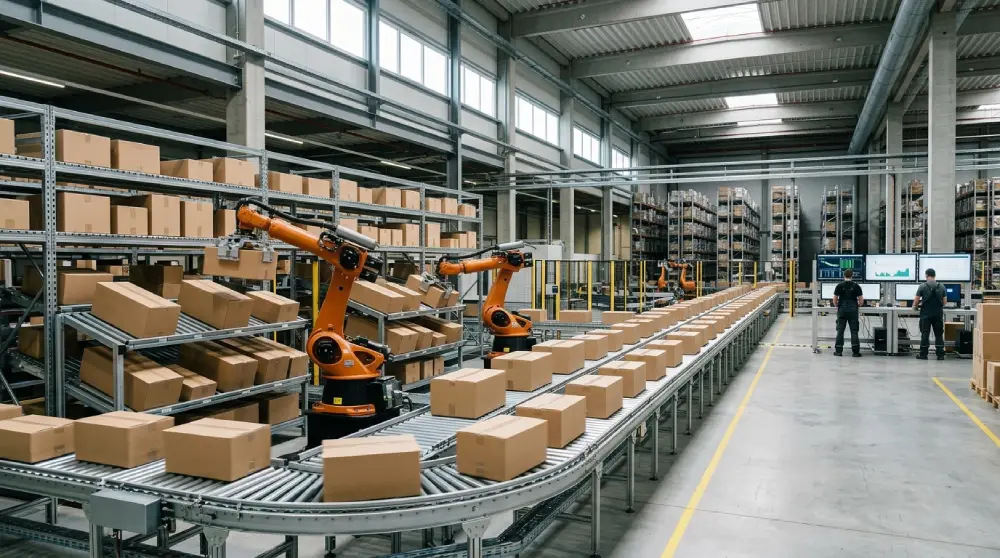
Artificial Intelligence (AI) is no longer a futuristic concept; it has become a transformative force across industries. Local service providers, from plumbers to personal trainers, are embracing AI to improve their offerings, enhance customer experiences, and stay competitive. But how exactly are local services adapting to AI, and what does it mean for businesses and consumers alike? Let’s dive into the ways AI is reshaping the service industry.
The Rise of AI in Local Services
Why Local Services Are Turning to AI
Local businesses face increasing pressure to keep up with evolving consumer expectations. Customers now demand faster, more personalized, and seamless experiences—and AI is the tool many are leveraging to meet these demands. From optimizing scheduling to enhancing marketing efforts, AI offers a range of solutions to common challenges faced by local service providers.
Key Drivers of AI Adoption
- Cost Efficiency: AI can automate repetitive tasks, reducing labor costs and freeing up resources for higher-value activities.
- Customer Expectations: With the rise of on-demand apps and services, customers expect instant responses and efficient service.
- Competition: As larger companies adopt AI, smaller local businesses must follow suit to stay relevant.
Practical Applications of AI in Local Services
AI-Powered Scheduling and Booking
For service providers like salons, home repair specialists, and fitness trainers, managing appointments efficiently is crucial. AI-powered tools such as chatbots and automated scheduling systems are transforming the way these businesses operate.
- Benefits:
- Instant booking confirmations.
- Reduced no-shows through automated reminders.
- Optimized schedules to maximize efficiency.
Enhanced Customer Support
AI-driven chatbots and virtual assistants enable local businesses to provide 24/7 customer support. These tools can answer common queries, handle complaints, and even assist with sales.
- Example: A local plumbing service can use AI chatbots to respond to emergency inquiries outside business hours, improving customer satisfaction and retention.
Personalized Marketing Campaigns
AI enables hyper-targeted marketing strategies. analyzing customer data, local businesses can create personalized promotions and advertisements that resonate with their audience.
- Use Cases:
- A coffee shop offering discounts to frequent customers during slow hours.
- A fitness trainer recommending specific programs based on client health data.
Inventory and Resource Management
For businesses that rely on inventory, such as florists or caterers, AI can predict demand trends, ensuring they stock the right products at the right time. This reduces waste and improves profitability.
- AI Tools in Action:
- Predicting seasonal demand for certain flowers.
- Adjusting food orders based on upcoming catering events.
Challenges and Considerations
Data Privacy Concerns
The use of AI often involves collecting and analyzing customer data. Businesses must ensure they comply with data privacy regulations and secure sensitive information.
Cost of Implementation
While AI can save money in the long run, the initial investment in AI tools and training can be significant, especially for small businesses.
Resistance to Change
Not all employees or customers may immediately embrace AI. Training staff and educating customers on the benefits of AI-powered services is essential.
Future Trends in AI for Local Services
Voice Search Optimization
As voice-activated devices become more popular, local businesses will need to optimize their online presence for voice search. This includes updating business listings and focusing on conversational keywords.
Predictive Analytics
AI will continue to advance in predicting customer needs and preferences. For instance, a local car repair shop could use predictive analytics to remind customers about upcoming maintenance based on their driving habits.
Integration with IoT Devices
The Internet of Things (IoT) combined with AI will enable smarter, more connected services. For example, HVAC companies might use IoT sensors to monitor systems in real-time and schedule maintenance proactively.
How Consumers Benefit
AI in local services isn’t just about making businesses more efficient; it’s also about improving the customer experience. Benefits for consumers include:
- Faster response times.
- More personalized services.
- Better pricing through optimized operations.
Conclusion
The question of how local services are adapting to AI reveals a transformative journey that’s just beginning. leveraging AI technologies, local businesses can enhance efficiency, meet customer demands, and stay ahead in an increasingly competitive market. However, the road isn’t without challenges, from data privacy concerns to the costs of implementation.
As AI continues to evolve, it’s clear that its role in local services will only grow. Whether you’re a business owner looking to integrate AI or a customer eager to experience its benefits, one thing is certain: AI is shaping the future of local services in profound ways.
Frequently Asked Questions
How is AI improving scheduling for local service providers?
AI improves scheduling by automating appointment booking, sending reminders, and optimizing schedules to reduce no-shows. This leads to more efficient operations for businesses like salons, fitness trainers, and home repair services.
What are the privacy concerns when using AI in local services?
The main privacy concern involves the collection and analysis of customer data. Businesses must comply with data privacy regulations and take steps to secure sensitive information to protect customers’ privacy.
How can AI enhance customer support in local services?
AI enhances customer support by providing 24/7 assistance through chatbots and virtual assistants. These tools can handle inquiries, resolve complaints, and even assist with sales, improving overall customer satisfaction.
What are the challenges of implementing AI in small businesses?
The challenges include the initial cost of AI tools and training, resistance to change from employees or customers, and concerns about data privacy. Despite these hurdles, AI can significantly improve efficiency and service quality in the long run.
How can local businesses benefit from AI-powered marketing?
AI allows businesses to create personalized marketing campaigns based on customer data. This helps businesses send targeted promotions, such as discounts or product recommendations, increasing customer engagement and sales.