
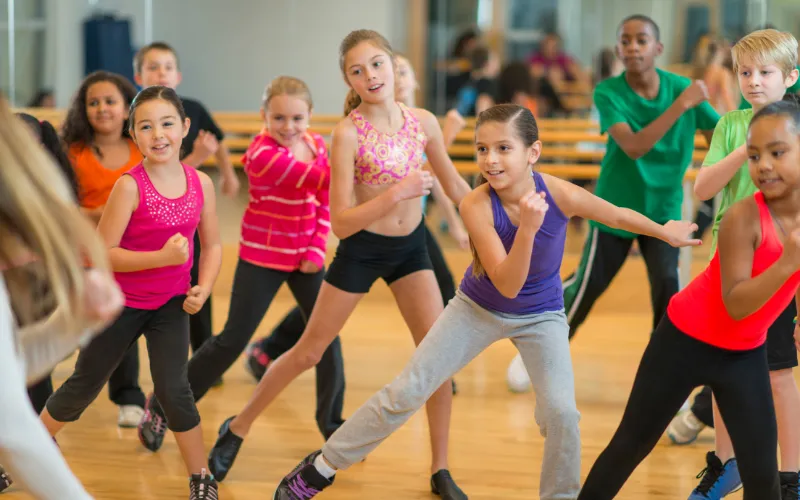
Key Takeaways: Dance camps offer physical, social, and emotional benefits for all ages. Choose based on location, cost, and dance style, such as ballet, hip-hop, or contemporary. Stay open-minded and practice regularly for the best experience. Dance camps also boost health through cardiovascular exercise and muscle strengthening, enhancing fitness and overall well-being.
Discover the Benefits and Joy of Dance Camps for All Ages
Dance camps provide a range of physical, social, and emotional benefits for participants of all ages. When selecting a camp, it’s important to consider factors such as location, cost, and the style of dance that interests you. There are various types of dance camps to explore, including ballet, hip-hop, contemporary, and more, each catering to different preferences and skill levels. To make the most of your dance camp experience, maintain an open mind, embrace learning opportunities, and practice regularly. Additionally, attending dance camps can significantly enhance physical health and fitness by promoting cardiovascular exercise and muscle strengthening.
Dance camps offer a unique opportunity for individuals of all ages to immerse themselves in the world of dance. Whether you are a child just discovering your passion or an adult looking to rekindle a long-lost hobby, these camps provide an environment that fosters creativity, skill development, and personal growth. One of the most significant benefits of attending a dance camp is the chance to learn from experienced instructors who are often professionals in their field.
They can provide personalized feedback and guidance, helping you refine your technique and expand your repertoire. This focused instruction can lead to rapid improvement, making the experience both rewarding and enjoyable. Moreover, Dance Camps create a sense of community among participants.
You will find yourself surrounded by like-minded individuals who share your enthusiasm for dance. This camaraderie can lead to lasting friendships and connections that extend beyond the camp experience. The supportive atmosphere encourages you to step out of your comfort zone, try new styles, and collaborate with others.
As you engage in group activities and performances, you will not only enhance your dance skills but also develop teamwork and communication abilities that are valuable in all areas of life.
Choosing the Right Dance Camp for You or Your Child
Age and Skill Level
Start by considering the age and skill level of the participant. Many camps cater to specific age groups and skill levels, so it’s essential to find one that aligns with your or your child’s abilities.
Type of Dance and Instruction
Another important factor to consider is the type of dance being taught. Dance camps can focus on various styles, including ballet, hip-hop, jazz, contemporary, and more. Reflect on your interests or those of your child when making this decision. If you are a beginner, look for camps that offer introductory classes and a supportive environment. Conversely, if you or your child is more advanced, seek out programs that challenge and inspire growth.
Logistics and Scheduling
Finally, consider the camp’s location, duration, and schedule. Some camps may be day programs, while others offer overnight experiences. Evaluate what works best for your lifestyle and commitments to ensure a smooth and enjoyable experience.
The Different Types of Dance Camps Available

Dance camps come in various forms, each offering unique experiences tailored to different interests and skill levels. Traditional dance camps often focus on a specific style or genre, providing intensive training in ballet, jazz, tap, or contemporary dance. These camps typically include daily classes, rehearsals, and performances, allowing participants to immerse themselves fully in their chosen discipline.
In contrast, some camps offer a more eclectic approach by incorporating multiple styles into their curriculum. These camps allow you to explore different forms of dance, providing a well-rounded experience that can enhance your versatility as a dancer. Additionally, there are specialized camps that focus on specific aspects of dance, such as choreography, performance techniques, or even dance fitness.
These options cater to those looking to hone particular skills or explore new avenues within the dance world.
Tips for Making the Most of Your Dance Camp Experience
| Tip | Description |
|---|---|
| Arrive Early | Arriving early allows you to settle in, meet new people, and get familiar with the camp environment. |
| Stay Hydrated | Drink plenty of water to stay hydrated throughout the day, especially during intense dance sessions. |
| Take Notes | Bring a notebook to jot down choreography, tips, and feedback from instructors to help you remember and improve. |
| Ask Questions | Don’t be afraid to ask questions to instructors or fellow dancers to clarify any doubts or seek advice. |
| Rest and Recovery | Make sure to get enough rest and allow your body to recover to avoid fatigue and injuries. |
To truly maximize your dance camp experience, it’s essential to approach it with an open mind and a willingness to learn. Embrace every opportunity presented to you, whether it’s trying out a new style or participating in group activities. Engaging fully in the camp will not only enhance your skills but also enrich your overall experience.
Remember that everyone is there to learn and grow together; therefore, supporting your fellow campers can create a positive atmosphere that benefits everyone. Additionally, take advantage of the resources available at the camp. This may include attending workshops, asking questions during classes, or seeking feedback from instructors.
Documenting your progress through journaling or video recordings can also be beneficial; it allows you to reflect on your growth and identify areas for improvement. Lastly, don’t forget to have fun! Dance is an art form meant to be enjoyed, so let loose and relish every moment spent on the dance floor.
How Dance Camps Can Help Improve Physical Health and Fitness
Participating in a dance camp can significantly enhance your physical health and fitness levels. Dance is a full-body workout that engages various muscle groups while improving flexibility, strength, and endurance. As you participate in daily classes and rehearsals, you will notice an increase in your cardiovascular fitness as well as improved coordination and balance.
This physical activity can lead to weight management and overall better health. Moreover, dance promotes body awareness and posture improvement.
As you learn different techniques and movements, you will become more attuned to how your body moves and functions.
This awareness can translate into better posture in everyday life and reduce the risk of injury during physical activities. Additionally, the discipline required in dance training fosters a sense of commitment to maintaining an active lifestyle long after the camp has ended.
The Social and Emotional Benefits of Participating in Dance Camps

Beyond physical health benefits, dance camps also provide significant social and emotional advantages. Engaging in dance allows you to express yourself creatively while building confidence in your abilities. As you learn new routines and perform in front of others, you will likely experience a boost in self-esteem that can carry over into other aspects of your life.
Furthermore, the social interactions at dance camps foster a sense of belonging and community. You will meet individuals from diverse backgrounds who share a common passion for dance. These connections can lead to lasting friendships and support networks that extend beyond the camp experience.
The collaborative nature of dance encourages teamwork and communication skills while also teaching you how to navigate challenges together.
How to Prepare for a Dance Camp
Preparation is key to ensuring a successful dance camp experience.
Start by gathering all necessary supplies well in advance; this may include appropriate dance attire, shoes specific to the style being taught, water bottles for hydration, and any personal items needed for overnight camps.
Being organized will help you feel more at ease as you transition into the camp environment.
Additionally, consider setting personal goals for what you hope to achieve during the camp. Whether it’s mastering a particular move or simply enjoying the process of learning, having clear objectives can help guide your focus throughout the experience. Lastly, mentally prepare yourself for the challenges ahead; remember that growth often comes from stepping outside your comfort zone.
Finding the Best Dance Camps in Your Area
Finding the right dance camp in your area requires some research and exploration. Start by checking local dance studios or community centers that may offer summer programs or workshops. Online platforms can also be valuable resources; websites dedicated to arts education often list various camps available in different regions.
Don’t hesitate to reach out to friends or family members who may have attended dance camps in the past for recommendations. Reading reviews or testimonials from previous participants can provide insight into what to expect from each program. Once you have compiled a list of potential camps, take the time to visit their websites or contact them directly for more information about their curriculum, instructors, and overall philosophy.
Conclusion
In conclusion, dance camps present an incredible opportunity for individuals of all ages to explore their passion for movement while reaping numerous physical, social, and emotional benefits. choosing the right camp and preparing adequately for the experience, you can ensure that your time spent dancing will be both enjoyable and transformative. Whether you are looking to improve your skills or simply have fun with others who share your love for dance, these camps offer something for everyone.
If you’re interested in learning more about the benefits of attending dance camps, be sure to check out this insightful article on The Industry Blog. This article discusses how dance camps can help improve technique, build confidence, and foster a sense of community among dancers. It’s a great read for anyone considering enrolling in a dance camp program.
Frequently Asked Questions
What are dance camps?
Dance camps are programs or events that offer intensive training and instruction in various styles of dance, often over the course of several days or weeks.
What types of dance are typically offered at dance camps?
Dance camps may offer a wide range of dance styles, including ballet, jazz, tap, hip-hop, contemporary, and more. Some camps may focus on a specific style, while others offer a variety of options.
Who can attend dance camps?
Dance camps are typically open to dancers of all ages and skill levels. Some camps may have specific programs tailored to different age groups or skill levels, while others may be open to anyone with an interest in dance.
What are the benefits of attending a dance camp?
Attending a dance camp can provide dancers with the opportunity to receive intensive training, improve their skills, learn from experienced instructors, and connect with other dancers who share their passion for dance.
What should participants expect at a dance camp?
Participants can expect to engage in a variety of activities, including technique classes, choreography workshops, rehearsals, performances, and potentially other related activities such as yoga or conditioning sessions.
How can one find and choose a dance camp to attend?
One can find dance camps by searching online, asking for recommendations from dance teachers or studios, or checking with dance organizations. When choosing a camp, it’s important to consider factors such as the style of dance offered, the instructors, the location, the duration, and any specific requirements or prerequisites.


