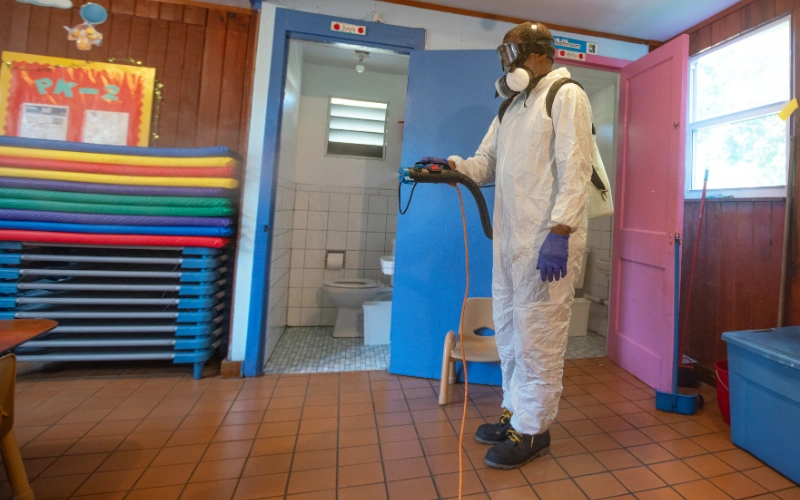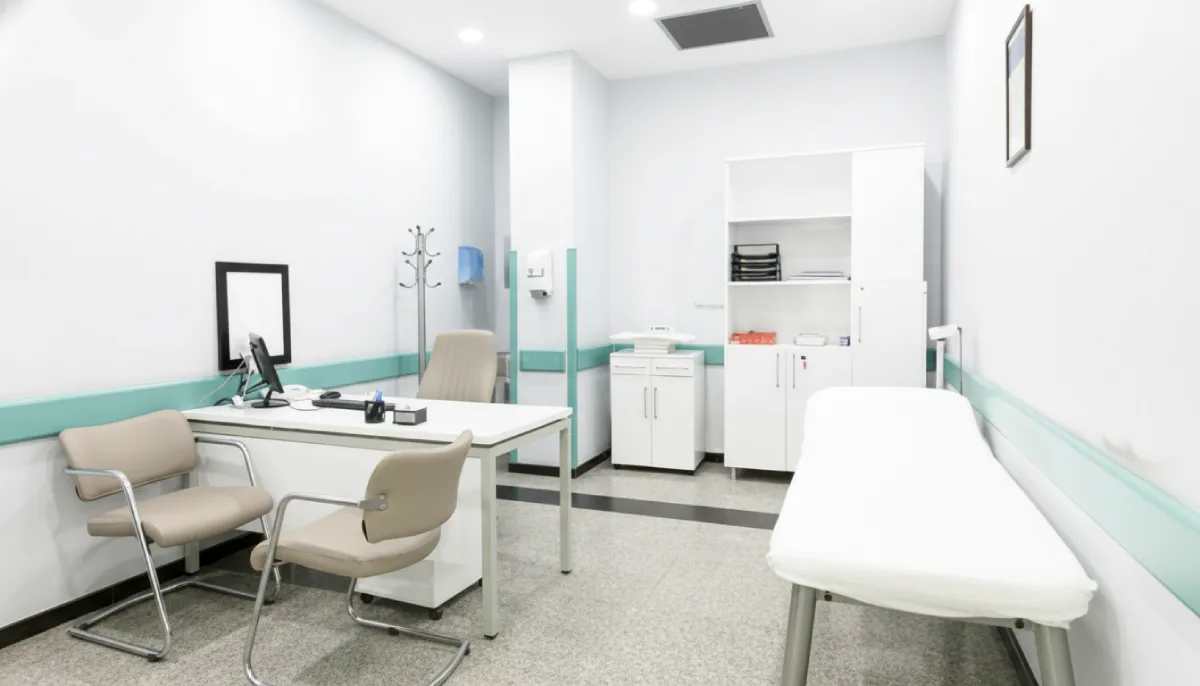
Key Highlights: Professional medical cleaning services are essential for maintaining a safe environment in all healthcare facilities. The primary goal is infection control, which helps protect both patients and staff from harmful pathogens. Specialized services go beyond standard cleaning by adhering to strict healthcare cleaning standards. Following regulatory compliance guidelines from bodies like the CDC is a critical part of the process. These services use hospital-grade disinfectants and advanced equipment for a thorough clean. Customized plans ensure every type of facility receives the specific care it needs.
Introduction
Welcome to the essential guide on medical cleaning. When it comes to healthcare, a clean environment is non-negotiable. A professional medical cleaning service does more than just make a space look tidy; it plays a vital role in patient safety and staff well-being. Maintaining the highest hygiene standards is crucial for preventing infections and ensuring your facility is a safe, welcoming place for everyone. This guide will explore what makes these services so important for any healthcare setting.
The Importance of Medical Cleaning for Healthcare Facilities
In medical facilities, cleanliness is directly linked to health outcomes. The primary purpose of professional medical cleaning services is infection prevention. With healthcare-associated infections (HAIs) affecting one in every 31 patients, having a robust cleaning protocol is more important than ever.
These specialized cleaning services create a healthy environment where patients can heal and staff can work without unnecessary risk. Unlike standard janitorial work, medical cleaning targets microscopic threats to ensure your facility remains safe and compliant. Let’s look at why this specialized approach is so critical and what health risks it addresses.
Why Specialized Cleaning Is Critical in Medical Environments
The unique nature of a medical environment demands a higher level of care than a typical commercial space. Medical facilities are high-traffic areas where vulnerable individuals are in close proximity, increasing the risk of cross-contamination. Specialized cleaning is designed to address these specific challenges head-on.
Professionals in this field understand the complexities of healthcare regulations and the importance of thorough infection control. They are trained to focus on high-touch surfaces, patient rooms, and other critical areas where the spread of germs is most likely to occur. This focused approach is fundamental to preventing outbreaks and protecting everyone in the facility.
implementing stringent protocols, these services ensure that your facility not only looks clean but is hygienically safe. This attention to detail is essential for maintaining compliance and providing peace of mind to patients and staff, creating a truly secure medical environment.
Common Health Risks Addressed by Medical Cleaning Services
Medical cleaning services are your first line of defense against numerous health risks common in healthcare settings. These services are specifically designed for robust infection prevention and disease control, targeting harmful pathogens that can lead to serious illness.

The main focus is on reducing healthcare-associated infections (HAIs), which are a significant concern in any medical facility. Professional cleaners are trained to decontaminate surfaces and eliminate bacteria and viruses before they can spread. This helps protect vulnerable patients as well as your dedicated staff.
Key risks that medical cleaning helps mitigate include:
- The spread of bacteria and viruses on high-touch surfaces.
- Cross-contamination between different areas of the facility.
- Airborne pathogens that can linger in waiting rooms and exam areas.
- Infections resulting from improperly cleaned medical equipment.
Services Included in a Professional Medical Cleaning Service
Professional medical cleaning services offer a comprehensive cleaning process designed to meet the strict demands of healthcare. These facility cleaning services go far beyond surface wiping, incorporating detailed disinfection procedures to ensure every corner of your building is sanitary. The goal is to create a consistently hygienic space, from the waiting room to the operating room.
These services include everything from daily maintenance to deep cleaning, all performed with an understanding of infection control. Below, we’ll explore the specific protocols involved and how these services can be tailored to fit the unique needs of different healthcare facilities.
Comprehensive Cleaning and Disinfection Protocols
Adhering to high healthcare cleaning standards is what sets professional services apart. The disinfection procedures are built on guidelines from organizations like the CDC and AORN to ensure effective medical facility cleaning. This systematic approach is designed to reduce cross-contamination and eliminate 99.9% of germs and bacteria.
A proper cleaning protocol involves a multi-step process using specialized tools and products. This ensures that every surface is not just cleaned but thoroughly disinfected. For example, some professional services use a proprietary process that combines advanced chemistry, tools, and protocols for the highest quality clean.
Here is a look at some common components of a comprehensive cleaning system:
| Technique | Purpose |
|---|---|
| Hospital-Grade Disinfectants | Kills germs and bacteria on surfaces. |
| Color-Coded Microfiber Cloths | Prevents cross-contamination between areas. |
| No-Dip Flat Mops | Cleans floors with fresh solution to avoid spreading dirt. |
| HEPA Backpack Vacuums | Captures airborne particles to improve air quality. |
Customized Solutions for Different Types of Healthcare Facilities
Not all healthcare settings are the same, which is why professional cleaning services offer customized plans. Whether you run a large hospital or a small dental office, the cleaning approach can be adapted to your facility’s needs. This ensures that your specific challenges and high-risk areas receive the attention they require.
A professional team will assess your space to develop a medical office cleaning plan that aligns with your workflow and patient traffic. This tailored strategy is crucial for effectively managing infection risk in diverse medical facilities, from outpatient centers to pediatric clinics.
Cleaning plans can be designed for a variety of healthcare settings, including:
- Hospitals and urgent care clinics
- Dialysis centers and outpatient surgery centers
- Dental and physician’s offices
- Veterinary clinics and clinical laboratories
Key Differences Between Medical Cleaning and Standard Commercial Cleaning
While both medical cleaning and commercial cleaning aim to create a tidy space, their priorities are very different. Standard commercial cleaning often focuses on appearance and general cleanliness. Medical cleaning, on the other hand, prioritizes infection control and adherence to strict health and safety standards.
In healthcare facilities, the infection risk is significantly higher, requiring specialized knowledge and protocols. This distinction is crucial for protecting patients and staff. Let’s examine the advanced equipment and compliance requirements that define professional medical cleaning.
Advanced Equipment and Hospital-Grade Disinfectants
One of the biggest differentiators of medical cleaning is the use of specialized tools and products. Professionals use EPA-registered, hospital-grade disinfectants capable of killing 99.9% of germs and bacteria. These powerful agents are essential for sanitizing surfaces and medical equipment effectively.
The equipment used is also more advanced than in standard cleaning. For instance, HEPA vacuums are used to capture 99% of dust and airborne particles, which significantly improves indoor air quality. This is particularly important in waiting rooms and other common areas where airborne pathogens can spread.
Techniques are also designed to prevent cross-contamination. Color-coded microfiber cloths ensure that a cloth used in a restroom is never used in an exam room. Similarly, no-dip flat mops use clean water for every pass, preventing the spread of dirt and germs across floors.
Strict Compliance With Healthcare Cleaning Standards
Meeting regulatory compliance is a cornerstone of professional medical cleaning. Reputable companies build their cleaning processes on established healthcare cleaning standards from leading health organizations like the CDC and AORN. This ensures all cleaning activities align with current industry standards for safety and infection control.
Staff training is another critical component. Cleaning professionals receive comprehensive education on the proper protocols, including how to handle bloodborne and airborne pathogens. This specialized training ensures that every team member understands the high stakes of cleaning in a healthcare environment.
Ultimately, this commitment to compliance means your facility is always ready for an audit. partnering with a service that prioritizes these standards, you can be confident that your cleaning protocols are not only effective but also fully documented and defensible.
Frequently Asked Questions (FAQ)
What certifications should I look for in a medical cleaning company?
When choosing between medical cleaning companies, look for providers whose teams are trained on healthcare cleaning standards from the CDC and AORN. Certifications or training based on materials from the National Safety Council (NSC) for bloodborne pathogens also indicate a commitment to regulatory compliance and industry standards.
How often should medical facilities schedule professional cleaning?
The frequency of medical facility cleaning depends on your facility’s needs, patient volume, and the types of services offered. Regular cleaning is essential for patient safety. A professional provider can help you create a customized schedule—from daily to more intensive deep cleans—that meets your specific cleaning standards.
How do medical cleaning services contribute to infection control?
Medical cleaning services are vital for infection control as they use hospital-grade disinfectants to stop the spread of germs. They focus on high-touch surfaces, employ methods to prevent cross-contamination, and ensure the proper cleaning or sterilization of medical tools, all of which are key to disease control.
Conclusion
In conclusion, ensuring safety and hygiene through professional medical cleaning services is vital for healthcare facilities. This specialized cleaning not only addresses common health risks but also adheres strictly to healthcare standards, utilizing advanced equipment and hospital-grade disinfectants. investing in these services, healthcare providers can create a safer environment for both patients and staff, ultimately enhancing the quality of care. If you’re ready to elevate your facility’s cleanliness and safety standards, consider reaching out to a professional medical cleaning service today. Your commitment to hygiene can make a significant difference in patient outcomes and overall health safety.