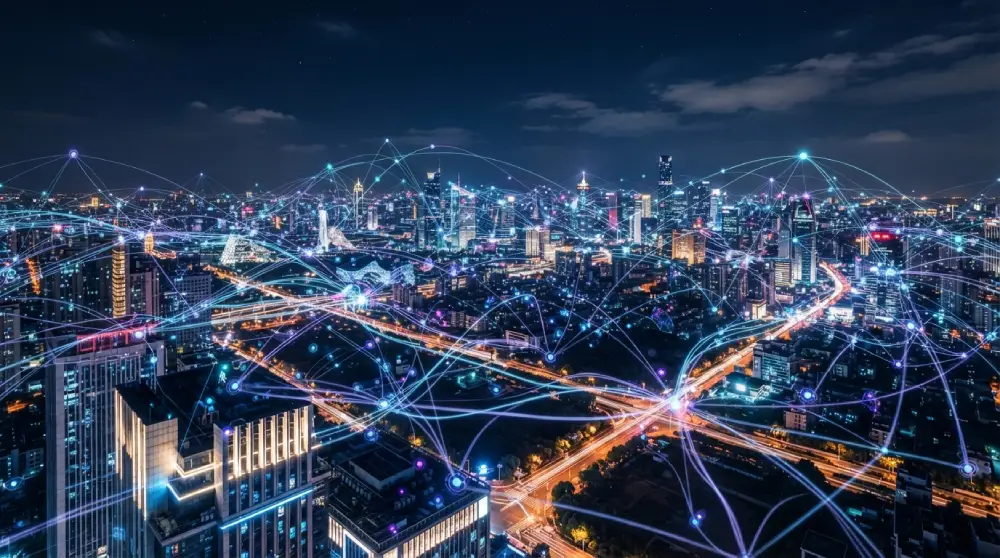
Edge computing is changing the way businesses handle data by processing information closer to where it is generated rather than sending everything to a distant cloud server. This approach reduces delay, saves bandwidth, and allows devices to respond in real time. As more industries adopt connected devices and smart sensors, edge computing has become one of the most important technologies shaping the digital world.
What Is Edge Computing
Edge computing refers to a distributed computing model where data processing happens near the source of data generation, such as a sensor, camera, or local device, instead of relying solely on centralized cloud servers.
Rather than sending every piece of information across long distances to a data center, edge computing allows devices to analyze and act on data locally. This shift brings several benefits, including faster response times and reduced strain on network infrastructure.
How Edge Computing Works
Edge computing relies on small local servers, gateways, or devices placed close to where data is created. These edge nodes collect, process, and sometimes store data before sending only the necessary information to the cloud.
The Role of Local Devices
Local devices such as routers, sensors, and smart cameras act as mini processing units. They filter raw data and perform initial analysis, which reduces the amount of information that needs to travel to a central server.
The Role of the Cloud
The cloud still plays an important part in edge computing. It handles long term storage, deeper analytics, and tasks that require more processing power than local devices can provide. Edge and cloud computing work together rather than replacing each other.
Why Edge Computing Matters
Edge computing has become essential because of the growing number of connected devices and the need for instant decision making. Traditional cloud computing can introduce delays when data has to travel long distances, which is not ideal for time sensitive applications.
Reduced Latency
One of the biggest advantages of edge computing is reduced latency. Since data is processed closer to its source, response times improve significantly. This is especially useful in applications like autonomous vehicles, industrial automation, and healthcare monitoring where even a small delay can cause problems.
Bandwidth Efficiency
Sending large volumes of raw data to the cloud can overload networks. Edge computing reduces this load by processing data locally and transmitting only relevant information, which helps networks run more smoothly.
Improved Reliability
Edge computing allows systems to continue functioning even when internet connectivity is unstable. Local processing means that critical operations do not have to stop just because a connection to the cloud is temporarily lost.
Key Applications of Edge Computing
Edge computing is being used across many industries to improve efficiency and enable smarter operations.
Smart Manufacturing
Factories use edge computing to monitor equipment in real time, detect issues early, and reduce downtime. Sensors placed on machines can instantly flag abnormalities without waiting for cloud based analysis.
Healthcare Monitoring
Wearable devices and medical equipment use edge computing to track patient vitals continuously. Immediate local processing allows for faster alerts in emergency situations.
Autonomous Vehicles
Self driving cars depend heavily on edge computing to process data from cameras and sensors instantly. Split second decisions are necessary for safety, making local processing essential.
Retail and Smart Stores
Retailers use edge computing to power smart shelves, personalized recommendations, and inventory tracking systems that require quick data processing at the store level.
Smart Cities
Edge computing supports traffic management systems, smart lighting, and public safety monitoring by processing data from thousands of sensors spread across a city.
Benefits of Edge Computing
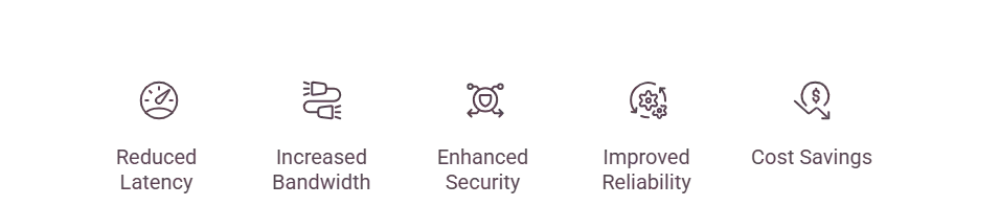
Edge computing offers a wide range of advantages that make it valuable for modern businesses and technology systems.
Faster Data Processing
handling data closer to its source, edge computing significantly speeds up processing times, which is critical for real time applications.
Enhanced Security
Since sensitive data can be processed locally, edge computing can reduce the amount of information that travels across public networks, lowering exposure to certain risks.
Scalability
Edge computing makes it easier to scale systems since new devices can be added without overwhelming a central cloud infrastructure.
Better User Experience
Applications that rely on real time responses, such as gaming, video streaming, and smart assistants, benefit from the speed edge computing provides.
Challenges of Edge Computing
While edge computing offers many benefits, it also comes with certain challenges that organizations need to address.
Managing Multiple Devices
With edge computing spread across many devices and locations, managing and monitoring all these systems can become complex.
Data Consistency
Since data is processed in multiple locations, maintaining consistency across all systems requires careful planning and coordination.
Security Across Distributed Systems
Although edge computing can reduce certain risks, it also increases the number of endpoints that need protection, requiring strong security measures at every level.
The Future of Edge Computing
As more devices become connected through the Internet of Things, edge computing is expected to grow rapidly. Industries will continue to rely on it for faster processing, improved automation, and smarter decision making. The combination of edge computing with technologies like artificial intelligence and 5G networks will likely unlock even more advanced applications in the coming years.
Conclusion
Edge computing is reshaping how data is processed by bringing computation closer to where information is created. It reduces delay, improves efficiency, and supports real time decision making across industries such as healthcare, manufacturing, and smart cities. As connected devices continue to expand, edge computing will remain a vital part of building faster and smarter digital systems.
FAQs
What is edge computing in simple terms?
Edge computing means processing data near its source, such as a device or sensor, instead of sending it all the way to a distant cloud server.
How is edge computing different from cloud computing?
Cloud computing processes data in centralized data centers, while edge computing processes data locally, closer to where it is generated, which reduces delay.
Why is edge computing important for IoT devices?
IoT devices generate huge amounts of data, and edge computing helps process this data quickly and efficiently without overwhelming central servers.
Does edge computing replace cloud computing?
No, edge computing works alongside cloud computing. Local devices handle immediate processing while the cloud manages storage and deeper analysis.
Which industries benefit most from edge computing?
Industries such as healthcare, manufacturing, retail, transportation, and smart city infrastructure benefit greatly from the speed and reliability edge computing provides.