You embark on a significant journey, one that takes you across the vast and varied landscape of human endeavor: construction. This exploration is not merely an academic exercise; it’s an unveiling of the very structures that define your civilization, from the humble abode to the towering skyscraper. You will delve into the distinct categories that construction professionals universally recognize, understanding the unique challenges, methodologies, and ultimate purposes of each. the end of this journey, you will possess a clearer lens through which to view the built environment, appreciating the intricate dance of design, engineering, and craftsmanship that underpins it all.
Before dissecting its various types, it is imperative that you establish a foundational understanding of what construction truly entails. Construction, at its core, is the process of building or assembling infrastructure. It differs from manufacturing in that manufacturing typically involves mass production in a controlled factory environment, while construction usually occurs on a specific site with unique environmental and logistical constraints. You are not dealing with a modular assembly line here; you are witnessing bespoke creation, often a singular undertaking.
The Interdisciplinary Nature of Construction
You quickly realize that construction is not a solitary discipline. Instead, it is a grand symphony of various professions. Architects conceive the vision, engineers translate that vision into structural realities, project managers orchestrate the resources and timelines, and skilled tradespersons bring the designs to life with their hands. Without any one of these elements, the entire edifice crumbles, metaphorically speaking, or perhaps even literally. You are witnessing a collaborative effort on a grand scale.
The Life Cycle of a Construction Project
Every construction project, regardless of its type, follows a predictable life cycle. You will see this pattern emerge repeatedly. It begins with conception and feasibility studies, progresses through design and procurement, moves into the actual construction phase, and culminates in commissioning and hand-over. Post-construction, the structure then enters its operational life, often requiring ongoing maintenance and, eventually, potential demolition or renovation. You are observing a complete narrative, from inception to potential obsolescence.
Residential Construction: Building Homes and Communities
You begin your journey with the most intimate form of construction: residential. This sector focuses on the creation of living spaces, ranging from single-family homes to large multi-unit apartment complexes. It is the bedrock of communities, providing shelter and personal sanctuaries for individuals and families. The scale can vary dramatically, but the fundamental objective remains the same: to create habitable environments.
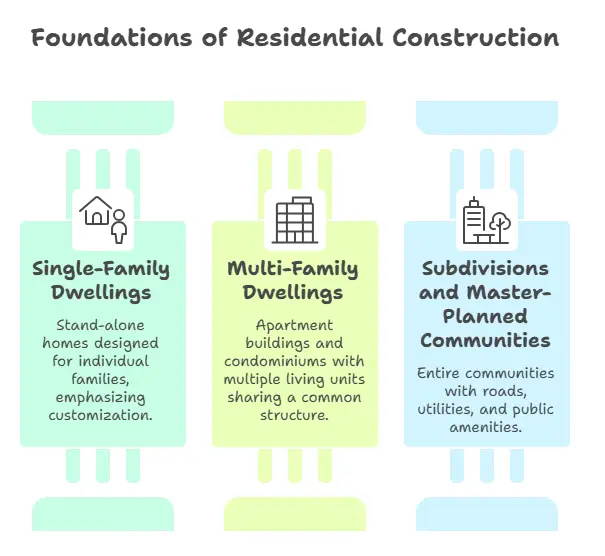
Single-Family Dwellings
Here, you encounter the archetypal “house.” These are stand-alone structures designed to house one family. Their construction often involves a relatively smaller crew and a quicker timeline compared to larger projects. You will observe techniques like wood framing, typical for many parts of the world, alongside masonry or concrete construction depending on local materials and building codes. The focus is often on individual customization and catering to specific homeowner desires.
Multi-Family Dwellings
Moving up the scale, you encounter apartment buildings, condominiums, and townhouses. These projects are characterized by multiple living units sharing a common structure. The complexity increases significantly. You are now dealing with shared utilities, common areas, and potentially more stringent zoning regulations. Structural systems might include cast-in-place concrete, steel frames, or combinations thereof, designed to support multiple stories and accommodate a larger occupant load. The emphasis often shifts towards efficiency of space and standardization of units to achieve economies of scale.
Subdivisions and Master-Planned Communities
At the broadest end of residential construction, you find entire subdivisions or master-planned communities. Here, the scope extends beyond individual buildings to include the entire infrastructure necessary to support a population. You are witnessing the creation of roads, utility networks (water, sewer, electricity, gas), storm drainage systems, and often public amenities like parks and community centers. This type of project requires extensive planning, coordination with municipal authorities, and a holistic approach to urban development. You are, in essence, building miniature cities from the ground up.
Commercial Construction: Spaces for Business and Commerce
Your journey next leads you into the bustling world of commercial construction. This sector encompasses structures designed for business, retail, hospitality, and office use. Unlike residential projects, the emphasis here is less on intimate living and more on functionality, public access, and often, an aesthetic that projects the brand or purpose of the occupying entity. Scale and complexity tend to be higher than in typical residential work.
Office Buildings
You will observe the construction of structures that serve as the nerve centers of corporations and businesses. These range from low-rise structures to towering skyscrapers. Design considerations include maximizing usable floor space, integrating sophisticated HVAC systems, ensuring robust data infrastructure, and often incorporating features that promote employee well-being and productivity. Steel frames and concrete structures are prevalent here, allowing for large, open floor plans and efficient vertical circulation.
Retail Stores and Shopping Centers
Think of the places where you conduct your daily transactions. These are products of commercial construction. From standalone boutique stores to expansive shopping malls, these projects prioritize customer flow, merchandising visibility, and often, architectural elements designed to attract patrons. Considerations include large display windows, extensive parking facilities, and durable interior finishes to withstand high traffic volumes.
Hotels and Hospitality Venues
Here, you encounter structures designed for temporary lodging and entertainment. Hotels, resorts, and convention centers fall under this category. The designs integrate guest rooms, public areas, restaurants, convention spaces, and often complex amenity packages like pools and fitness centers. The construction must balance aesthetic appeal with operational efficiency and robust soundproofing between units. You are creating an experience, not just a building.
Industrial Construction: Manufacturing and Production Hubs
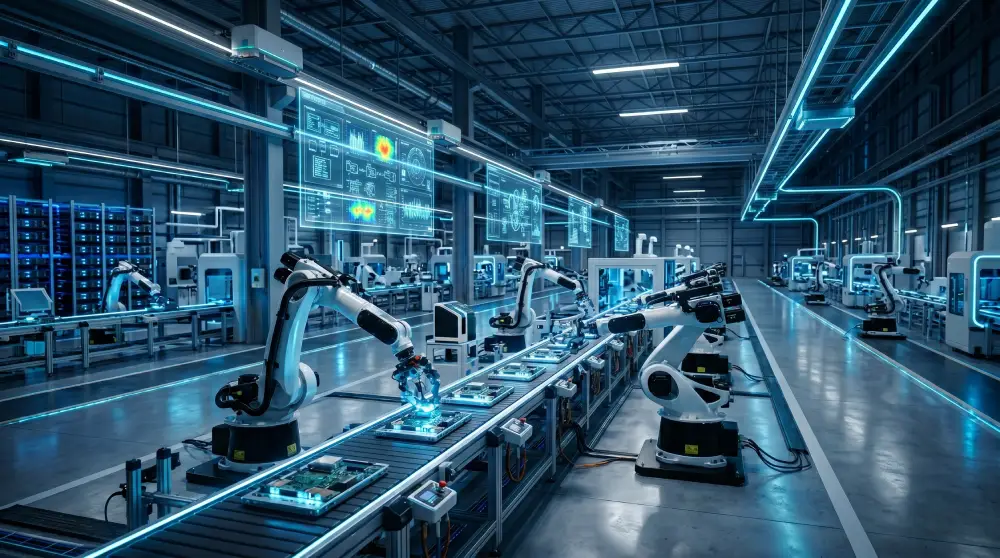
The next phase of your exploration takes you to the robust and often gargantuan scale of industrial construction. This sector focuses on facilities designed for manufacturing, production, processing, power generation, and storage. These structures are typically highly specialized, built to withstand heavy loads, house complex machinery, and often adhere to stringent environmental and safety regulations. Functionality and durability supersede aesthetic appeal in many instances.
Factories and Manufacturing Plants
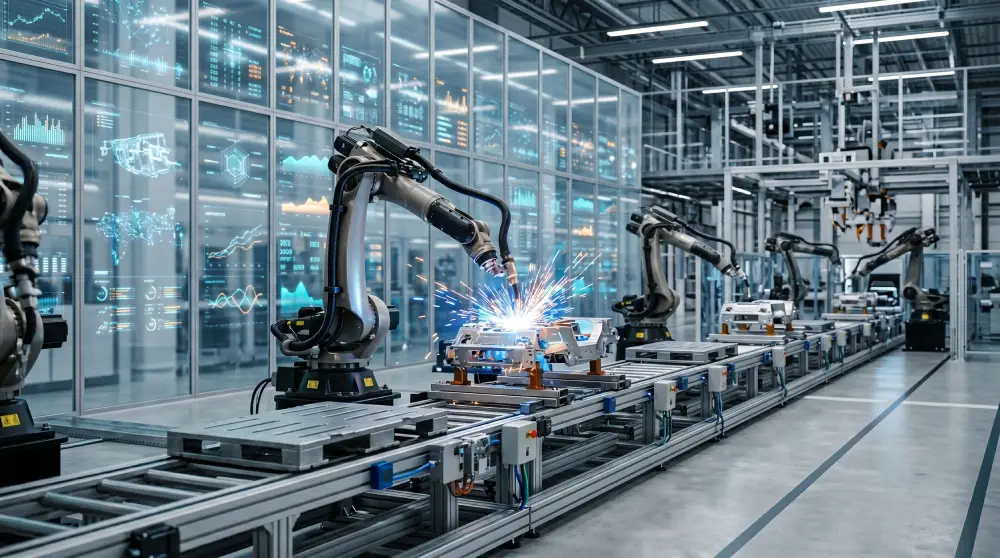
You will encounter expansive facilities where raw materials are transformed into finished products. These often feature large, open floor plans, high ceilings to accommodate machinery, and robust foundations to support heavy equipment. Specialized material handling systems, extensive utility networks (power, compressed air, industrial water), and ventilation systems are critical components. The construction process frequently involves close coordination with equipment suppliers.
Warehouses and Distribution Centers
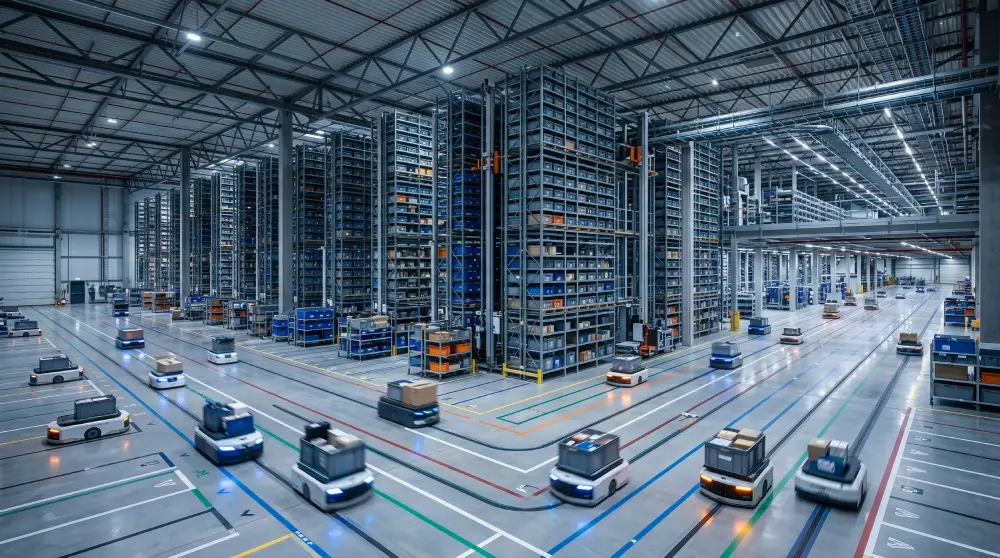
These structures are designed for the efficient storage and movement of goods. They are characterized by vast, open spaces, high bay storage systems, and extensive loading docks. The structural design must accommodate large clear spans and significant floor loads. Automation integration, such as robotic retrieval systems, is increasingly common, requiring precise floor leveling and robust power infrastructure.
Power Plants and Processing Facilities
At the pinnacle of industrial complexity, you find power generation plants (thermal, nuclear, renewable) and intricate chemical or petroleum processing facilities. These projects are characterized by immense scale, highly specialized engineering, and exceptionally stringent safety and environmental protocols. Construction involves heavy civil works, intricate piping systems, and the installation of massive, high-value equipment. The project timelines are often measured in years, even decades, and the capital investment is astronomical. You are witnessing an undertaking of profound technical challenge and strategic importance.
Heavy Civil Construction: Infrastructure for Society
| Type of Construction | Description | Common Uses | Materials Used |
|---|---|---|---|
| Residential Construction | Building homes and living spaces for individuals and families. | Single-family homes, apartments, condominiums | Wood, brick, concrete, drywall |
| Commercial Construction | Construction of buildings for business purposes. | Offices, retail stores, shopping malls, hotels | Steel, concrete, glass, aluminum |
| Industrial Construction | Building facilities for manufacturing and industrial operations. | Factories, warehouses, power plants, refineries | Steel, concrete, heavy machinery |
| Infrastructure Construction | Development of foundational services and facilities. | Roads, bridges, airports, water supply systems | Concrete, asphalt, steel, earth materials |
| Institutional Construction | Construction of buildings for public and community use. | Schools, hospitals, government buildings, religious facilities | Concrete, steel, brick, glass |
| Specialty Construction | Projects requiring specialized skills or unique materials. | Sports facilities, amusement parks, historic restorations | Varies depending on project requirements |
Your journey now shifts to the grand scale of heavy civil construction, a realm where entire landscapes are sculpted and fundamental infrastructure supporting society is built. This sector encompasses projects like roads, bridges, dams, tunnels, airports, and water treatment facilities. These are the arteries and organs of modern civilization, connecting communities and providing essential services on a scale that often dwarfs individual buildings.
Roads and Highways
You observe the construction of intricate networks that facilitate transportation. This involves extensive earthwork (cutting and filling), sub-base and base course preparation, and the laying of pavement (asphalt or concrete). Drainage systems are critical to prevent erosion and ensure longevity. Bridge construction, culverts, and traffic control systems are integral components. You are witnessing the creation of lifelines for commerce and movement.
Bridges and Tunnels
Here, you encounter engineering marvels designed to overcome geographical barriers. Bridges span rivers, valleys, and other obstacles, while tunnels pierce mountains or pass beneath waterways. These projects demand specialized geotechnical engineering, advanced structural analysis (steel, concrete, or composite materials), and meticulous construction methodologies. Safety protocols are paramount, especially in tunneling operations where geological risks are ever-present. You are observing the triumph of human ingenuity over natural impediments.
Dams and Water Management Systems
These projects are about controlling and harnessing water resources. Dams are constructed for hydroelectric power generation, irrigation, flood control, and water supply. Their construction involves massive concrete pours or extensive earth and rock filling. Associated infrastructure includes spillways, powerhouses, and distribution channels. You are witness to the strategic manipulation of natural forces for societal benefit.
Airports and Ports
These are the gateways for global travel and trade. Airport construction involves extensive runway and taxiway systems, large terminal buildings, air traffic control towers, and support infrastructure like hangars and fuel farms. Port construction requires dredging, wharf and pier construction, and specialized cargo handling facilities. These projects are characterized by their multi-modal nature and integration of complex logistical systems. You are observing the construction of critical nodes in the global network.
Green Construction: Building Sustainably
As you progress, a crucial evolution in construction ideology becomes apparent: green construction. This is not a distinct project type in the same vein as residential or commercial, but rather an overarching philosophy and set of practices applied across all construction sectors. It focuses on minimizing the environmental impact of buildings throughout their entire life cycle, from material sourcing to demolition. You are witnessing a conscious effort to lighten humanity’s footprint on the planet.
Sustainable Material Sourcing
You will find a deliberate shift towards materials with lower embodied energy, recycled content, and those sourced from responsibly managed forests (e.g., FSC certified wood). The reduction of waste during construction through recycling and reuse of materials is also a key principle. You are observing a more mindful consumption of resources.
Energy Efficiency and Renewable Integration
Green construction prioritizes designs that reduce energy consumption. This includes high-performance insulation, efficient window systems, passive solar design, and optimized HVAC systems. You will increasingly see the incorporation of renewable energy sources, such as solar panels (photovoltaic and thermal) and wind turbines, directly integrated into building designs. You are seeing buildings that strive to be energy producers, not just consumers.
Water Conservation and Management
Water-efficient fixtures, rainwater harvesting systems, and greywater recycling are common features in green buildings. The goal is to reduce potable water consumption and manage stormwater runoff effectively, minimizing its impact on local ecosystems. You are observing a more judicious use of a precious resource.
Indoor Environmental Quality (IEQ)
Beyond energy and water, green construction also focuses on creating healthy indoor environments. This includes using low-VOC (Volatile Organic Compound) paints and finishes, ensuring adequate ventilation, and maximizing natural daylighting. The well-being of occupants is a central concern. You are seeing spaces designed for human flourishing, not just shelter.
Modular and Prefabricated Construction: The Future of Building?
Finally, you encounter a construction methodology that represents a significant departure from traditional, site-built approaches: modular and prefabricated construction. While not a type of structure itself, this method represents an increasingly important way how structures are built across various sectors. It involves manufacturing building components or entire volumetric modules off-site in a factory setting, then transporting and assembling them on the final construction site. You are witnessing a paradigm shift, akin to the industrialization of building.
Component Prefabrication
Here, you observe individual elements like wall panels, roof trusses, or even bathroom pods being manufactured in a controlled factory environment. These components are then delivered to the site and integrated into the overall structure. This approach can lead to higher quality, reduced waste, and faster on-site assembly. You are seeing the standardization of elements to improve efficiency.
Volumetric Modular Construction
This takes prefabrication a step further. Entire three-dimensional modules, complete with internal finishes, plumbing, and electrical systems, are constructed in the factory. These modules are then transported to the site and craned into place, often stacking like building blocks. This method is particularly efficient for multi-unit residential buildings, hotels, and schools, drastically reducing on-site construction time and minimizing weather-related delays. You are witnessing the “plug-and-play” approach applied to entire sections of a building.
Benefits and Challenges
The benefits are compelling: improved quality control due to factory conditions, reduced construction waste, faster project delivery, and often, enhanced safety records. However, challenges include transportation logistics for large modules, the need for precise planning and coordination, and overcoming preconceived notions about the durability or aesthetics of factory-built structures. You are observing an evolution that promises efficiency but demands careful adaptation.
You have now traversed the diverse landscape of construction, gaining insight into its fundamental types and evolving methodologies. From the intimate scale of a residential home to the vast network of heavy civil infrastructure, and from the specialized requirements of industrial facilities to the philosophical underpinnings of green building and the factory-floor precision of modular construction, each sector presents its own unique tapestry of challenges, innovations, and contributions to your world. This journey has not just been about understanding buildings; it has been about understanding the intricate forces that shape your environment and enable your society to function and flourish. You now possess a more profound appreciation for the silent, yet monumental, work that constructs your world.
FAQs
What are the six types of construction?
The six types of construction are: Residential, Commercial, Industrial, Infrastructure, Heavy Civil, and Institutional construction.
What does residential construction include?
Residential construction involves building homes, apartments, condominiums, and other living spaces for individuals and families.
What is the focus of commercial construction?
Commercial construction focuses on buildings used for business purposes, such as offices, retail stores, shopping centers, and restaurants.
What types of projects fall under industrial construction?
Industrial construction includes facilities like factories, warehouses, manufacturing plants, and distribution centers.
How is infrastructure construction defined?
Infrastructure construction involves building essential public systems such as roads, bridges, water supply, sewage, and utilities.