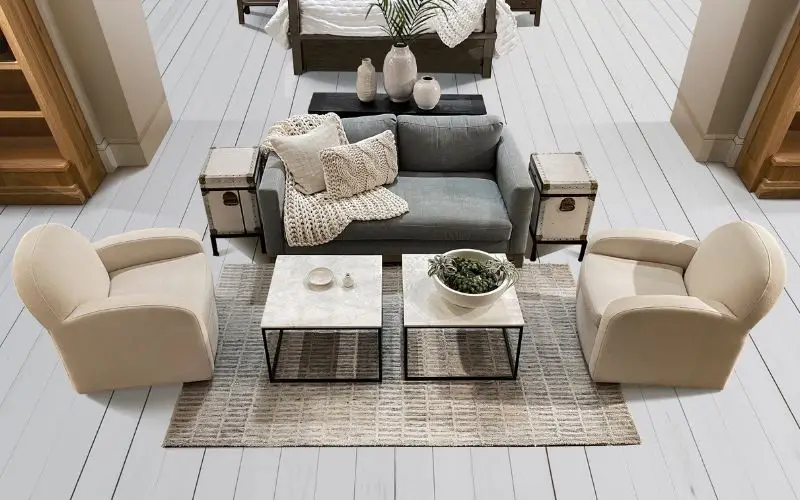
When it comes to selling a home, first impressions are everything. Property staging and design have become essential tools for homeowners and real estate professionals aiming to attract buyers and maximize property value. This process involves more than just arranging furniture; it’s about creating an irresistible space that resonates with potential buyers. In this article, we’ll explore the significance of property staging and design, its benefits, and practical tips to make your home stand out in a competitive market.
What Is Property Staging and Design?
Property staging and design refer to the strategic preparation and decoration of a property to enhance its appeal to buyers. While staging focuses on showcasing the home’s potential through curated furnishings and decor, design incorporates broader elements like layout optimization, color schemes, and lighting to create a cohesive and inviting environment.
Whether you’re selling a compact apartment or a sprawling estate, staging and design can:
- Highlight the property’s strengths.
- Minimize its weaknesses.
- Help buyers envision themselves living in the space.
Why Is Property Staging Important?
Makes a Strong First Impression
Buyers often decide whether they’re interested in a property within minutes of stepping inside. A well-staged home creates an emotional connection and leaves a lasting impression.
Increases Perceived Value
According to real estate experts, staged homes often sell faster and at higher prices. showcasing the property in its best light, staging allows potential buyers to see its full value.
Helps Homes Stand Out Online
In today’s digital-driven real estate market, the first showing happens online. Professionally staged properties photograph better, increasing their chances of catching a buyer’s attention.
Key Elements of Effective Property Staging
Decluttering and Depersonalizing
One of the first steps in staging is removing personal items, excess furniture, and clutter. This creates a clean slate that allows buyers to focus on the space rather than the current owner’s belongings.
Tips for decluttering:
- Pack away family photos and personal memorabilia.
- Remove bulky furniture to make rooms appear more spacious.
- Organize closets and storage spaces to showcase their capacity.
Choosing Neutral Color Palettes
Neutral tones appeal to a wider audience by creating a blank canvas. Shades like beige, gray, and white can make spaces feel open, modern, and timeless.
Pro tip: Add subtle pops of color through accessories like throw pillows or artwork to keep the space visually interesting.
Enhancing Lighting
Good lighting can make or break a room’s ambiance. Ensure ample natural light by opening curtains and blinds. Add layered lighting with table lamps, floor lamps, and overhead fixtures to create warmth.
Highlighting Key Features
Every home has unique selling points, whether it’s a fireplace, a spacious kitchen, or a scenic view. Staging should draw attention to these features by:
- Arranging furniture to direct focus.
- Using decor to enhance architectural details.
- Keeping these areas clean and uncluttered.
The Role of Design in Property Staging
While staging focuses on presentation, design delves into the functionality and flow of a space. A well-designed home not only looks good but also feels practical and comfortable.
Functional Layouts
Furniture placement plays a critical role in showcasing the potential of a room. Ensure pathways are clear and the layout promotes conversation and usability.
Cohesive Styling
Consistency in style and color throughout the home creates a seamless and polished look. Mismatched furnishings or clashing designs can distract buyers and detract from the home’s appeal.
Attention to Details
Small touches like fresh flowers, scented candles, or neatly folded towels in the bathroom can elevate the overall presentation. These details create an inviting and luxurious atmosphere.
Common Mistakes to Avoid in Property Staging
- Over-staging: Too much decor or furniture can make a space feel crowded and artificial.
- Ignoring Curb Appeal: The exterior of the home is just as important as the interior. Ensure the lawn is manicured, and consider adding plants or a fresh coat of paint to the front door.
- Using Personal Taste: Remember, the goal is to appeal to a broad audience, not to showcase your personal style.
DIY Staging vs. Professional Services
While DIY staging can save money, professional stagers bring expertise and resources that can significantly enhance the outcome. They understand market trends and have access to high-quality furnishings and decor that can elevate your property’s appeal.
Benefits of Hiring a Professional
- Expert knowledge of design principles.
- Access to premium furniture and accessories.
- Time savings and less stress for homeowners.
The Impact of Property Staging on Real Estate Success
Numerous studies show that staged homes sell faster and at higher prices compared to non-staged properties. investing in property staging and design, homeowners can:
- Increase buyer interest.
- Reduce time on the market.
- Maximize their return on investment.
Conclusion
Property staging and design are powerful tools for enhancing the marketability and value of your home. creating an inviting, functional, and visually appealing space, you can leave a lasting impression on potential buyers and stand out in today’s competitive real estate market. Whether you choose to stage your property yourself or hire a professional, the benefits are undeniable.
Ready to transform your home for a successful sale? Start planning your property staging and design strategy today to unlock your home’s full potential.
Frequently Asked Questions
What is the difference between property staging and design?
Property staging focuses on presenting the home in its best light by arranging furniture and decor, while property design involves optimizing the layout, color schemes, and overall functionality of the space to create a cohesive and inviting environment.
How does property staging help sell a home faster?
Property staging enhances a home’s appeal by showcasing its strengths, creating an emotional connection with buyers, and allowing them to envision themselves living in the space. This can lead to faster sales and higher offers.
Should I hire a professional stager or do it myself?
Hiring a professional stager can provide expert knowledge, access to premium furnishings, and save time. However, DIY staging is a cost-effective option if you have the skills and time to create an attractive presentation.
What are some key tips for effective property staging?
Declutter and depersonalize spaces, use neutral color palettes, enhance lighting, and highlight key features of the home. Ensure every room has a clear purpose and is free of excess furniture or decor.
Why is curb appeal important in property staging?
Curb appeal is the first thing buyers notice, and it sets the tone for their impression of the home. A manicured lawn, fresh paint, and an inviting entrance can significantly impact buyer interest.