
Digital transformation is no longer a buzzword reserved for tech giants. It has become a survival strategy for organizations of every size and industry. At its core, digital transformation means rethinking how a business operates by integrating digital technology into every area, from customer experience to internal processes. This shift is not just about adopting new tools; it’s about changing culture, mindset, and the way value is delivered to customers.
- What Is Digital Transformation
- Key Drivers of Digital Transformation
- Core Technologies Powering Digital Transformation
- Benefits of Digital Transformation
- Common Challenges in Digital Transformation
- Steps to Build a Successful Digital Transformation Strategy
- The Future of Digital Transformation
- Conclusion
- Frequently Asked Questions
What Is Digital Transformation
Digital transformation refers to the process of using digital technologies to create new or modify existing business processes, culture, and customer experiences. It involves a fundamental change in how organizations operate and deliver value. Rather than simply digitizing paperwork, true transformation reimagines entire workflows so they are faster, smarter, and more adaptable.
Why It Matters Today
Customer expectations have shifted dramatically. People expect seamless, personalized, and instant experiences whether they are shopping online, accessing healthcare, or interacting with government services. Businesses that fail to adapt risk losing relevance in a world where convenience and speed define loyalty.
The Core Pillars of Transformation
Successful transformation usually rests on a few foundational pillars. These include technology adoption, process reengineering, cultural change, and data driven decision making. Each pillar supports the others, and neglecting one often weakens the entire strategy.
Key Drivers of Digital Transformation
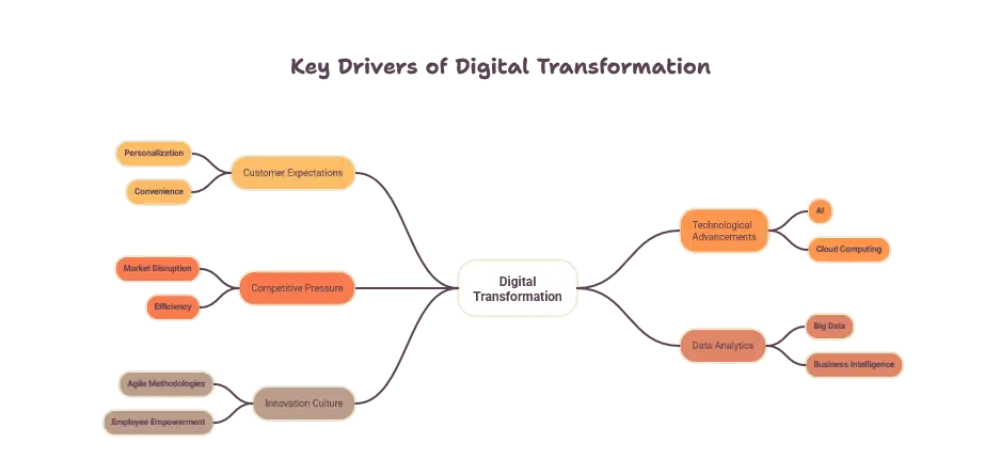
Several forces are pushing organizations toward digital change. Understanding these drivers helps businesses prioritize their transformation journey effectively.
Changing Customer Behavior
Modern consumers research, compare, and purchase products through digital channels. Businesses must meet customers where they are, offering consistent experiences across mobile apps, websites, and social platforms.
Rapid Technological Advancement
Cloud computing, artificial intelligence, automation, and the Internet of Things have matured to a point where adoption is easier and more accessible than ever. These technologies allow companies to streamline operations and unlock new capabilities.
The Need for Agility
Markets change quickly, and organizations need the flexibility to pivot. Digital tools allow teams to respond to shifts in demand, supply chains, or customer sentiment with greater speed and confidence.
Core Technologies Powering Digital Transformation
While transformation is about strategy and culture, technology remains the engine that drives change forward.
Cloud Computing
Cloud platforms allow businesses to scale resources up or down based on demand. This flexibility reduces reliance on physical infrastructure and supports remote collaboration across global teams.
Artificial Intelligence and Automation
AI powered tools help businesses analyze data, predict trends, and automate repetitive tasks. Automation frees employees from mundane work so they can focus on higher value activities like innovation and customer engagement.
Data Analytics
Data has become one of the most valuable assets for any organization. Advanced analytics tools help businesses understand customer behavior, optimize operations, and make informed strategic decisions.
Internet of Things
Connected devices generate real time data that businesses can use to improve efficiency, monitor equipment, and enhance customer experiences, especially in manufacturing, healthcare, and logistics.
Benefits of Digital Transformation
Organizations that commit to digital transformation often experience measurable improvements across multiple areas of their business.
Improved Customer Experience
Digital tools enable personalized interactions, faster response times, and consistent service across every touchpoint, strengthening customer relationships and loyalty.
Increased Operational Efficiency
Automating manual processes reduces errors and saves time, allowing teams to focus on strategic initiatives rather than repetitive administrative tasks.
Better Decision Making
Access to real time data and analytics empowers leadership to make informed decisions quickly rather than relying on guesswork or outdated reports.
Enhanced Collaboration
Cloud based tools and communication platforms make it easier for teams to collaborate across departments and geographic locations, improving productivity and innovation.
Common Challenges in Digital Transformation
Despite its benefits, digital transformation is not without obstacles. Recognizing these challenges early can help organizations navigate the journey more smoothly.
Resistance to Change
Employees accustomed to traditional workflows may resist new technologies or processes. Clear communication and training are essential to ease this transition.
Legacy Systems
Older infrastructure can be difficult to integrate with modern digital tools, creating friction during the transformation process.
Skill Gaps
Not every organization has employees equipped with the technical skills needed to implement and manage new digital systems, making upskilling a critical part of any transformation plan.
Data Security Concerns
As businesses digitize more processes, protecting sensitive data becomes increasingly important. Strong cybersecurity practices must be built into every stage of transformation.
Steps to Build a Successful Digital Transformation Strategy
A thoughtful, well planned approach increases the likelihood of successful transformation.
Define Clear Objectives
Organizations should identify specific goals, such as improving customer satisfaction, increasing efficiency, or expanding market reach, before selecting technologies.
Involve Leadership and Employees
Transformation succeeds when leadership champions the initiative and employees at every level understand and support the vision.
Choose the Right Technology Partners
Selecting reliable technology solutions that align with business goals is critical for long term success.
Foster a Culture of Innovation
Encouraging experimentation and continuous learning helps organizations adapt more easily to ongoing technological change.
Monitor Progress and Adapt
Digital transformation is an ongoing journey rather than a one time project. Regularly reviewing progress allows businesses to adjust strategies as needed.
The Future of Digital Transformation
As technology continues to evolve, digital transformation will remain a continuous process rather than a destination. Emerging trends like artificial intelligence, hyperautomation, and immersive technologies will further reshape how businesses operate and connect with customers. Organizations that embrace change as a constant, rather than a one time initiative, will be best positioned to thrive in the years ahead.
Conclusion
Digital transformation is reshaping how businesses operate, compete, and connect with customers. It goes beyond simply adopting new tools, requiring a shift in mindset, culture, and strategy. While challenges like legacy systems and resistance to change exist, the long term benefits of improved efficiency, better customer experiences, and stronger decision making make transformation essential for sustainable growth. Businesses that embrace this journey with clear objectives and strong leadership will be better prepared for the future.
Frequently Asked Questions
What is digital transformation in simple terms?
Digital transformation is the process of using digital technology to improve how a business operates and delivers value to its customers.
Why is digital transformation important for businesses?
It helps businesses stay competitive, meet changing customer expectations, and improve efficiency through modern technology and processes.
What are examples of digital transformation technologies?
Common technologies include cloud computing, artificial intelligence, automation, and data analytics tools.
What are the biggest challenges in digital transformation?
Common challenges include employee resistance to change, outdated legacy systems, skill gaps, and data security concerns.
How long does digital transformation take?
Digital transformation is an ongoing journey rather than a single project, and timelines vary depending on the size and goals of the organization.