
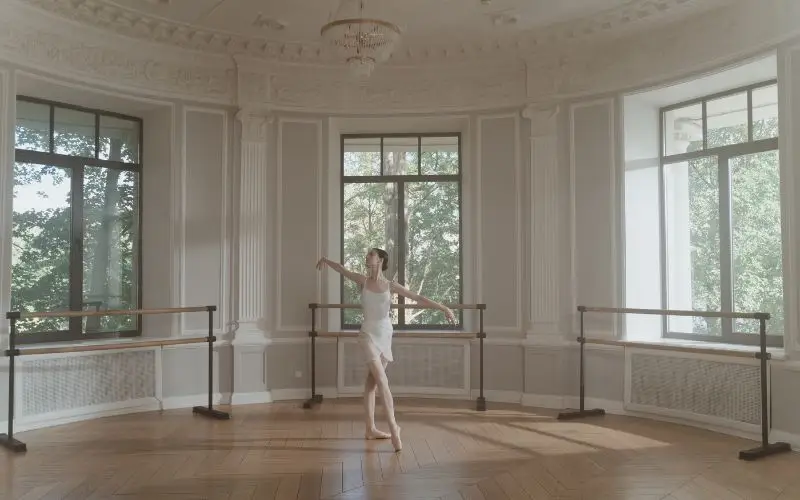
When it comes to establishing a dance studio, one of the most critical decisions you will face is selecting the right flooring. The type of flooring you choose can significantly impact not only the aesthetic appeal of your space but also the safety and performance of your dancers. Proper flooring can enhance movement, reduce the risk of injury, and provide the necessary support for various dance styles.
As a studio owner, you want to create an environment that fosters creativity and allows dancers to express themselves freely, and the right flooring plays a pivotal role in achieving that goal. Moreover, the flooring in your dance studio serves as a foundation for your entire operation. It influences how dancers interact with the space, affecting their ability to execute movements with precision and grace.
A well-chosen floor can absorb shock, provide traction, and allow for smooth transitions between different dance styles.
Therefore, investing time and resources into selecting the appropriate flooring is not just a matter of aesthetics; it is essential for the overall success and functionality of your dance studio.
- Key Takeaways
- Types of Flooring Options for Dance Studios
- Considerations for Choosing the Best Flooring
- Benefits of Each Flooring Option
- Maintenance and Longevity of Flooring Materials
- Cost and Budgeting for Dance Studio Flooring
- Installation Process and Considerations
- Finalizing the Best Flooring Option for Your Dance Studio
- FAQs
Key Takeaways
- Choosing the right flooring for a dance studio is crucial for safety, performance, and aesthetics.
- Flooring options for dance studios include hardwood, vinyl, sprung floors, marley, and carpet.
- Considerations for choosing the best flooring include shock absorption, slip resistance, durability, and maintenance.
- Each flooring option offers unique benefits such as shock absorption, ease of cleaning, and versatility for different dance styles.
- Maintenance and longevity of flooring materials should be considered to ensure the longevity and safety of the dance studio.
Types of Flooring Options for Dance Studios
There are several flooring options available for dance studios, each with its unique characteristics and benefits. One popular choice is hardwood flooring, which is favored for its classic look and durability. Hardwood provides a solid surface that dancers can rely on for stability while also offering a slight give that helps absorb impact.
This type of flooring is particularly well-suited for ballet and contemporary dance, where precision and control are paramount. Another option to consider is vinyl flooring, which has gained popularity in recent years due to its versatility and affordability. Vinyl comes in various designs and colors, allowing you to customize your studio’s appearance while providing a cushioned surface that reduces strain on dancers’ joints.
This type of flooring is also water-resistant, making it an excellent choice for studios that may host classes involving sweat or spills. Additionally, there are specialized dance floors made from materials like marley or sprung floors, designed specifically for various dance styles. These floors offer enhanced shock absorption and traction, catering to the needs of different dance forms.
Considerations for Choosing the Best Flooring
When selecting flooring for your dance studio, several factors should guide your decision-making process. First and foremost, consider the types of dance classes you will offer. Different styles may require specific flooring characteristics; for instance, ballet often benefits from a smooth surface, while hip-hop may need more grip.
Understanding the needs of your dancers will help you narrow down your options effectively. Another crucial consideration is the level of foot traffic your studio will experience. If you anticipate hosting multiple classes throughout the day, durability becomes a significant factor.
You want a floor that can withstand heavy use without showing signs of wear and tear. Additionally, think about maintenance requirements; some flooring options may require more upkeep than others. Balancing durability with ease of maintenance will ensure that your studio remains in top condition for years to come.
Benefits of Each Flooring Option
| Flooring Option | Benefits |
|---|---|
| Hardwood | Durable, adds value to home, easy to clean |
| Laminate | Affordable, easy to install, resistant to scratches |
| Tile | Water-resistant, low maintenance, wide variety of designs |
| Carpet | Soft and comfortable, provides insulation, reduces noise |
Each flooring option presents its own set of advantages that can enhance your dance studio experience. Hardwood flooring, for example, is not only aesthetically pleasing but also provides excellent resilience and longevity. Dancers appreciate the natural feel of wood underfoot, which can enhance their connection to the ground during performances.
Furthermore, hardwood floors can be refinished over time, allowing you to maintain their beauty and functionality. On the other hand, vinyl flooring offers a more budget-friendly alternative without sacrificing quality. Its cushioned surface helps reduce the risk of injuries caused by repetitive impact during dance routines.
Vinyl is also easy to clean and maintain, making it an attractive option for busy studios. For those looking for specialized solutions, sprung floors provide exceptional shock absorption and are designed specifically for dance. These floors can help prevent injuries by reducing stress on joints, making them an ideal choice for serious dancers.
Maintenance and Longevity of Flooring Materials
The longevity of your chosen flooring material is closely tied to how well you maintain it over time. Regular cleaning is essential to keep your dance studio looking its best and to ensure that the floor remains safe for use. For hardwood floors, this may involve sweeping or vacuuming regularly to remove dirt and debris, followed by periodic refinishing to maintain their shine and integrity.
On the other hand, vinyl flooring typically requires less intensive maintenance; a simple mopping with appropriate cleaning solutions can keep it in good condition. In addition to routine cleaning, consider implementing a schedule for inspections and repairs as needed. Over time, even the most durable floors may develop scratches or dents from heavy use.
Addressing these issues promptly can prevent further damage and extend the life of your flooring investment. prioritizing maintenance, you can create a safe and inviting environment for dancers while ensuring that your studio remains functional for years to come.
Cost and Budgeting for Dance Studio Flooring
Budgeting for dance studio flooring involves more than just considering the initial purchase price; it requires a comprehensive understanding of long-term costs associated with installation, maintenance, and potential repairs. While hardwood floors may have a higher upfront cost compared to vinyl options, their durability can make them a worthwhile investment in the long run. Conversely, if you’re working with a tighter budget, vinyl flooring can provide an attractive solution without compromising quality.
When planning your budget, it’s essential to factor in not only the cost of materials but also installation expenses.
Professional installation may be necessary for certain types of flooring to ensure they are laid correctly and safely.
Additionally, consider any ongoing maintenance costs that may arise over time.
taking a holistic approach to budgeting, you can make informed decisions that align with your financial goals while still providing a high-quality environment for your dancers.
Installation Process and Considerations
The installation process for dance studio flooring varies depending on the type of material chosen. For hardwood floors, proper acclimation is crucial before installation; this involves allowing the wood to adjust to the studio’s temperature and humidity levels to prevent warping or buckling later on. Professional installers typically have experience with this process and can ensure that the floor is laid correctly to maximize its lifespan.
Vinyl flooring installation may be more straightforward but still requires careful attention to detail. The subfloor must be adequately prepared to ensure a smooth finish, which may involve leveling or repairing any imperfections before laying down the vinyl sheets or tiles. Regardless of the type of flooring you choose, it’s advisable to work with experienced professionals who understand the unique requirements of dance studio installations.
Their expertise will help guarantee that your new floor meets safety standards while providing an optimal surface for dancing.
Finalizing the Best Flooring Option for Your Dance Studio
As you approach the final decision regarding flooring for your dance studio, take time to reflect on all the factors discussed throughout this article. Consider how each option aligns with your vision for the space and the specific needs of your dancers. Engage with instructors or dancers themselves to gather their input; after all, they will be the ones using the floor daily.
Ultimately, choosing the right flooring is about finding a balance between aesthetics, functionality, safety, and budget considerations. Whether you opt for classic hardwood or modern vinyl, ensure that your choice supports the artistic expression and physical well-being of your dancers. investing in quality flooring tailored to your studio’s needs, you will create an inspiring environment where creativity flourishes and dancers thrive.
FAQs
What are the best flooring options for a dance studio?
The best flooring options for a dance studio are typically sprung floors, marley floors, or hardwood floors. These options provide the necessary shock absorption, slip resistance, and smooth surface required for dancing.
What is a sprung floor?
A sprung floor is a type of dance floor that has a layer of cushioning material underneath the top surface. This cushioning helps to absorb shock and reduce the risk of injury for dancers.
What is a marley floor?
A marley floor is a type of vinyl flooring that is specifically designed for dance studios. It provides a smooth, slip-resistant surface that is ideal for various styles of dance.
Why is hardwood flooring a good option for dance studios?
Hardwood flooring is a popular choice for dance studios because it provides a smooth, durable surface that allows for easy movement and is aesthetically pleasing. It also offers a good balance of slip resistance and slideability for dancers.
What factors should be considered when choosing flooring for a dance studio?
When choosing flooring for a dance studio, factors such as shock absorption, slip resistance, ease of maintenance, and durability should be taken into consideration. It’s also important to consider the specific style of dance that will be practiced in the studio.


