
Remote work trends continue to redefine how companies operate and how employees experience their careers. What began as a temporary shift has become a lasting part of the modern workplace. Organizations across every industry are rethinking their policies, tools, and culture to keep up with the expectations of a distributed workforce. Understanding these trends helps businesses stay competitive while giving employees the flexibility they now consider essential.
Why Remote Work Continues to Grow
The appeal of remote work goes beyond convenience. Employees value the freedom to design their own schedules, spend more time with family, and avoid long commutes. Employers, on the other hand, benefit from access to wider talent pools that are not limited by geography.
A Shift in Employee Expectations
Workers today expect flexibility as a standard part of any job offer. Many professionals now prioritize companies that support hybrid or fully remote arrangements over those that require strict office attendance.
Business Continuity and Resilience
Remote work has also proven valuable for maintaining operations during unexpected disruptions such as natural disasters or local emergencies. Companies with remote infrastructure already in place tend to recover faster and keep their teams productive.
Hybrid Work Models Are Becoming the Standard
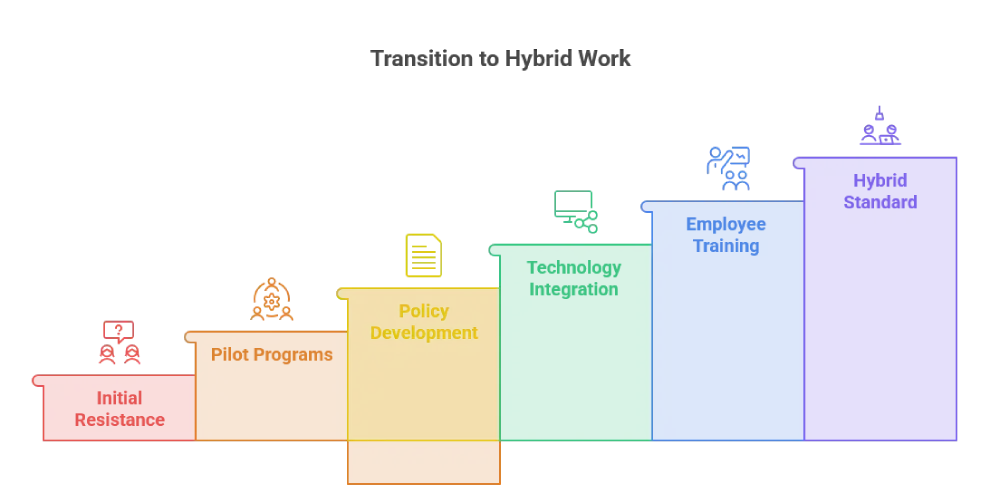
Rather than choosing between fully remote or fully in office setups, many organizations are settling into hybrid models. This approach blends in person collaboration with the flexibility of remote days.
Flexible Scheduling
Hybrid teams often allow employees to choose which days they come into the office. This flexibility supports better work life balance while still preserving opportunities for face to face collaboration.
Office Space Redesign
As hybrid work grows, offices are being redesigned around collaboration rather than individual desks. Open meeting areas, shared workstations, and quiet zones are replacing traditional cubicle layouts.
The Rise of Asynchronous Communication
With teams spread across different time zones, asynchronous communication has become essential. Instead of relying on constant meetings, teams are shifting toward tools that allow updates and feedback to happen on flexible timelines.
Documentation Over Meetings
Written updates, recorded videos, and shared documents are replacing many live meetings. This shift reduces interruptions and gives employees more control over their daily schedules.
Clear Communication Guidelines
Companies succeeding with async work tend to set clear expectations around response times and communication tools. This clarity prevents confusion and keeps projects moving smoothly.
Technology Powering Remote Teams
New tools continue to shape how remote teams collaborate, manage projects, and stay connected. Technology adoption has become one of the strongest indicators of remote work success.
Collaboration Platforms
Video conferencing, project management software, and shared workspaces allow teams to stay aligned even when working from different locations.
Artificial Intelligence in the Workplace
AI powered tools are helping remote teams automate repetitive tasks, summarize meetings, and improve productivity. These tools are quickly becoming a standard part of daily workflows.
Focus on Employee Wellbeing
Remote work trends increasingly emphasize mental health and overall wellbeing. Companies recognize that supporting employees outside of work tasks leads to stronger engagement and retention.
Preventing Burnout
Without the natural boundaries of an office, many remote employees struggle to disconnect. Organizations are introducing wellness programs, mental health resources, and encouraged time off to address this challenge.
Building Connection Remotely
Virtual team building activities, informal chat channels, and regular check ins help remote employees feel connected to their teams despite physical distance.
Global Hiring and Distributed Teams
Remote work has opened the door for companies to hire talent from around the world. This global approach to hiring is reshaping how teams are built and managed.
Access to Diverse Talent
Companies are no longer limited to local candidates. This shift allows organizations to build diverse teams with a wide range of skills and perspectives.
Managing Across Time Zones
Leading distributed teams requires thoughtful planning around meeting times, deadlines, and communication expectations to ensure everyone stays included.
The Future Outlook of Remote Work
As remote work matures, companies are moving beyond simply allowing it and are instead building intentional strategies around it. Leadership training, updated performance metrics, and stronger digital infrastructure are becoming priorities.
Performance Measured by Output
Many organizations are shifting away from tracking hours and instead focusing on results and deliverables. This approach gives employees more autonomy while keeping accountability intact.
Long Term Policy Development
Businesses are creating long term remote work policies rather than treating flexibility as a temporary measure. This signals a permanent shift in how work is structured.
Conclusion
Remote work trends show no signs of slowing down. From hybrid models and asynchronous communication to AI powered tools and global hiring, the workplace continues to evolve in ways that prioritize flexibility and employee wellbeing. Companies that adapt thoughtfully to these trends will be better positioned to attract talent and build resilient, engaged teams for the future.
Frequently Asked Questions
What are the biggest remote work trends today?
The biggest trends include hybrid work models, asynchronous communication, AI powered collaboration tools, global hiring, and a stronger focus on employee wellbeing.
Is hybrid work more popular than fully remote work?
Many companies are favoring hybrid work because it combines flexibility with opportunities for in person collaboration, making it a preferred choice for a large number of organizations.
How does remote work affect employee wellbeing?
Remote work can improve work life balance but also requires intentional effort from companies to prevent burnout and maintain social connection among team members.
What tools are essential for remote teams?
Video conferencing platforms, project management software, and AI powered productivity tools are essential for helping remote teams stay organized and connected.
Will remote work continue to grow in the future?
Yes, remote work is expected to remain a permanent part of the modern workplace as companies continue to build long term policies around flexibility and distributed teams.