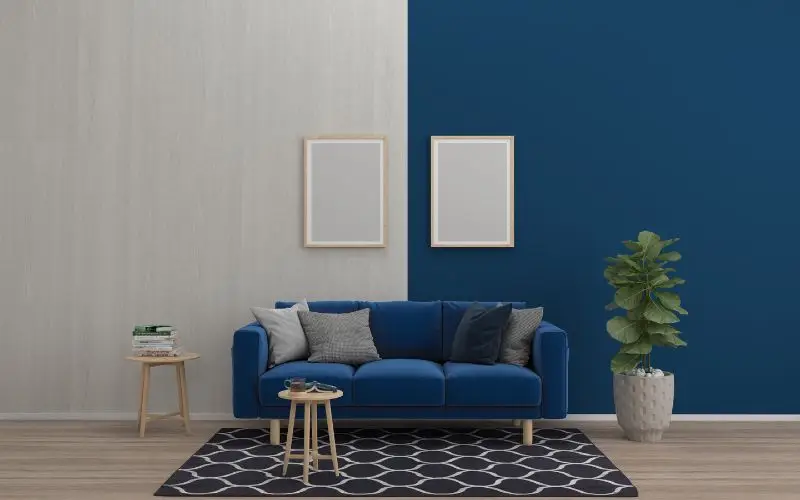
In the ever-evolving world of residential construction, staying ahead of design trends is essential for homeowners, architects, and builders alike. Modern home designs have shifted dramatically in recent years, embracing innovation, sustainability, and functionality. Whether you’re planning to build your dream home or update an existing space, understanding the latest trends in modern home designs can provide inspiration and direction.
The Rise of Minimalist Architecture
Clean Lines and Open Spaces
Minimalist architecture continues to dominate modern home designs. Characterized by clean lines, open floor plans, and a “less is more” philosophy, this trend emphasizes simplicity and clarity. Homeowners are increasingly drawn to uncluttered spaces that create a sense of calm and order.
Key features of minimalist architecture include:
- Neutral color palettes
- Large windows for natural light
- Multi-functional furniture
- Hidden storage solutions
focusing on these elements, minimalist homes offer both aesthetic appeal and practical functionality.
Indoor-Outdoor Integration
Another hallmark of minimalist design is the seamless integration of indoor and outdoor spaces. Sliding glass doors, covered patios, and landscaped gardens create a harmonious connection with nature, enhancing the overall living experience. This trend aligns with the growing desire for homes that promote relaxation and well-being.
Sustainability in Modern Home Designs
Eco-Friendly Materials
Sustainability has become a cornerstone of residential construction. Modern homeowners are increasingly prioritizing eco-friendly materials such as:
- Recycled wood and steel
- Bamboo flooring
- Low-VOC paints
- Energy-efficient insulation
These materials not only reduce environmental impact but also improve indoor air quality and overall comfort.
Smart Home Technology for Energy Efficiency
Smart home technology plays a significant role in modern sustainable design. From programmable thermostats to energy-efficient lighting systems, technology helps homeowners monitor and reduce energy consumption. Popular smart home features include:
- Solar panels with battery storage
- Smart appliances
- Automated lighting and shading systems
integrating these innovations, modern homes can achieve greater energy efficiency and lower utility bills.
Emphasis on Wellness and Comfort
Biophilic Design
Biophilic design—the practice of incorporating natural elements into interior spaces—is a growing trend in modern home designs. using materials like wood, stone, and greenery, biophilic design fosters a sense of connection to nature. Common biophilic elements include:
- Indoor plants and vertical gardens
- Natural lighting through skylights and large windows
- Water features like fountains or aquariums
These features not only enhance aesthetics but also improve mental and physical well-being.
Personalized Spaces
Modern home designs are increasingly focused on creating spaces tailored to individual needs. From home offices to fitness rooms and meditation areas, homeowners are seeking versatile spaces that enhance their daily lives. Key considerations include:
- Acoustic insulation for quiet environments
- Ergonomic furniture for comfort
- Ample storage for organization
Personalized spaces ensure that homes remain functional and adaptable to changing lifestyles.
Innovative Aesthetic Trends
Bold Colors and Textures
While minimalist designs often favor neutral tones, modern homes are also embracing bold colors and textures to add character. Accent walls, vibrant furniture, and textured finishes like exposed brick or concrete bring visual interest to interiors.
Statement Lighting
Lighting has become a focal point in modern home designs. Statement pieces such as oversized pendant lights, LED strips, and artistic chandeliers serve as both functional and decorative elements. Proper lighting enhances ambiance and highlights architectural features.
Future-Proofing Homes
Flexible Floor Plans
As family dynamics and work patterns evolve, flexible floor plans have become essential in modern home designs. Open layouts that can be easily reconfigured accommodate changing needs, whether for remote work, multi-generational living, or entertaining guests.
Technology Integration
The integration of future-ready technology ensures that homes remain relevant in an increasingly digital world. Features such as smart home hubs, high-speed internet infrastructure, and automated systems prepare homes for future advancements in residential living.
Conclusion
The trends in modern home designs reflect a dynamic blend of functionality, sustainability, and aesthetic appeal. From minimalist architecture and eco-friendly materials to biophilic design and smart home technology, today’s homes are designed to enhance both comfort and well-being. embracing these trends, homeowners can create spaces that are not only visually stunning but also environmentally responsible and future-proof.
Frequently Asked Questions
What is minimalist architecture?
Minimalist architecture focuses on simplicity, clean lines, and open spaces. It emphasizes a “less is more” philosophy, featuring neutral color palettes, large windows, multi-functional furniture, and hidden storage solutions. The goal is to create uncluttered spaces that provide a sense of calm and order.
How does indoor-outdoor integration enhance modern home designs?
Indoor-outdoor integration creates a seamless connection between the interior and exterior spaces, often through features like sliding glass doors, covered patios, and landscaped gardens. This trend promotes relaxation, well-being, and a closer connection with nature, enhancing the overall living experience.
What eco-friendly materials are commonly used in modern homes?
Modern homes often incorporate eco-friendly materials such as recycled wood and steel, bamboo flooring, low-VOC paints, and energy-efficient insulation. These materials not only help reduce environmental impact but also improve indoor air quality and provide better overall comfort.
How can smart home technology contribute to energy efficiency?
Smart home technology helps reduce energy consumption by offering features such as solar panels with battery storage, smart appliances, and automated lighting and shading systems. These systems allow homeowners to monitor energy use and make adjustments, leading to lower utility bills and greater energy efficiency.
What are personalized spaces in modern home designs?
Personalized spaces refer to areas of a home designed to suit an individual’s specific needs, such as home offices, fitness rooms, or meditation areas. These spaces are tailored for functionality, comfort, and organization, offering acoustic insulation, ergonomic furniture, and ample storage to adapt to changing lifestyles.