When it comes to construction or home improvement, masonry often plays a central role in the durability, appearance, and value of your property. Whether you’re building a new retaining wall, repairing your chimney, or designing an outdoor patio, hiring a masonry contractor can make all the difference. In this comprehensive guide, we’ll break down exactly what a masonry contractor does, the types of services they offer, and how to choose the right one for your needs.
What Is a Masonry Contractor?
A masonry contractor is a skilled professional who specializes in building and repairing structures made of brick, stone, concrete, and other masonry materials. These experts have extensive knowledge in the techniques and tools required to lay durable, structurally sound masonry units while also considering aesthetic appeal.
Masonry contractors can work on both residential and commercial properties, handling everything from minor repairs to major construction projects. Their training typically involves a combination of formal education, apprenticeship programs, and hands-on experience.
Common Services Offered by Masonry Contractors
Masonry contractors offer a wide variety of services tailored to the unique needs of each project. Here are some of the most common:
1. Brickwork
Brick is one of the oldest and most popular masonry materials due to its classic appearance and structural integrity. Masonry contractors can construct or repair brick walls, fireplaces, chimneys, mailboxes, and walkways. Whether it’s traditional red brick or a decorative veneer, professionals ensure each brick is laid precisely.
2. Stone Masonry
Natural stone like granite, limestone, or slate offers a timeless and elegant look. Stone masonry projects often include patios, retaining walls, entryways, and facades. Since natural stone is irregular, working with it requires special expertise in cutting, fitting, and placing pieces to ensure stability and appeal.
3. Concrete Block Construction
Concrete blocks (or CMUs – concrete masonry units) are commonly used in structural walls and foundations. A masonry contractor will ensure blocks are reinforced and properly installed, delivering a solid base that meets building codes and withstands pressure.
4. Chimney and Fireplace Repair
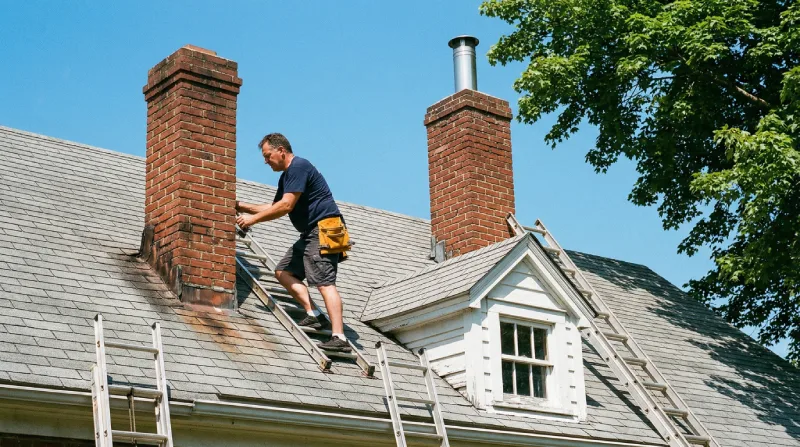
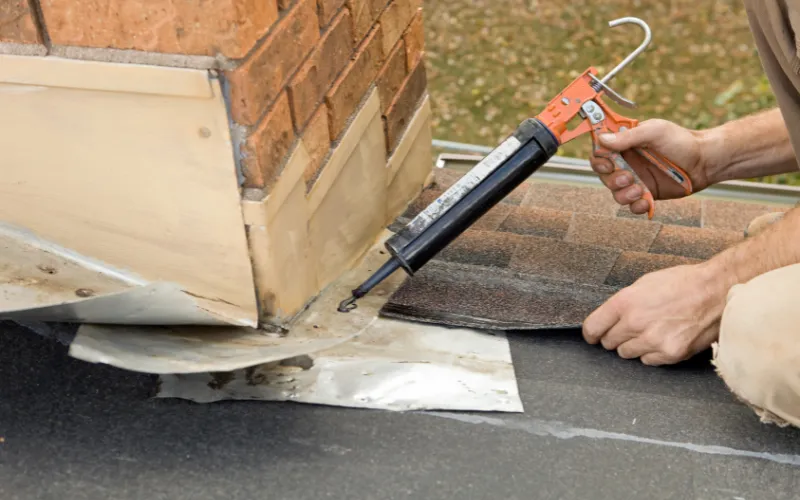
Masonry contractors are often called to repair cracks, crumbling mortar, or other damage to fireplaces and chimneys. Routine maintenance by a contractor can prevent moisture infiltration and improve safety and function.
5. Retaining Walls
A well-built retaining wall not only prevents soil erosion but also enhances the landscape. Masonry contractors ensure these walls are properly engineered for drainage and structural support.
6. Masonry Restoration and Tuckpointing
For older buildings, restoration work is essential to preserve historical integrity while reinforcing structural soundness. Tuckpointing involves replacing deteriorated mortar between bricks or stones with fresh material, improving both appearance and stability.
Benefits of Hiring a Professional Masonry Contractor
If you’re considering a masonry project, working with a certified masonry contractor offers numerous advantages:
Superior Craftsmanship
DIY masonry is possible, but it rarely matches the quality and durability of a professional’s work. Masonry contractors use the correct mix ratios, tools, and techniques to ensure long-lasting results.
Time and Cost Efficiency
While hiring a contractor involves upfront costs, it can save money in the long run by preventing mistakes and the need for repairs. Professionals also work efficiently, completing projects on time and on budget.
Code Compliance and Permits
Reputable masonry contractors understand local building codes and will handle the permit process if needed. This ensures your project passes inspections and avoids legal or safety issues.
Safety First
Masonry work involves heavy materials and potentially hazardous tools. Experienced contractors are trained in job site safety and carry insurance to protect workers and homeowners alike.
How to Choose the Right Masonry Contractor
Finding the right contractor is crucial for a successful outcome. Here are some tips to guide your decision:
1. Check Credentials
Look for licensed and insured contractors. Membership in trade organizations like the Mason Contractors Association of America (MCAA) is also a good sign.
2. Review Past Projects
Ask to see a portfolio or examples of previous work. High-quality masonry should feature clean lines, uniform joints, and well-matched materials.
3. Read Reviews and Ask for References
Online reviews, testimonials, and word-of-mouth recommendations can reveal a lot about a contractor’s reliability and workmanship.
4. Get Multiple Estimates
Don’t settle for the first quote. Compare prices, timelines, and the scope of work to ensure you’re getting value without compromising quality.
5. Ask Questions
Clarify who will be on-site, what materials will be used, and how long the project will take. A reputable contractor will be transparent and happy to answer your concerns.
Residential vs. Commercial Masonry Contractors
While many masonry skills are transferable, there is a distinction between residential and commercial contractors:
- Residential masonry contractors focus on homes, driveways, walkways, patios, and other personal-use projects. These jobs often require a mix of aesthetics and function.
- Commercial masonry contractors typically handle larger-scale projects such as office buildings, schools, shopping centers, and parking garages. These projects demand complex planning, multiple crews, and strict compliance with industrial building codes.
Choosing a contractor experienced in your specific type of project will lead to better results.
Signs You Need a Masonry Contractor
Even if you’re not building something new, your home or commercial space may be showing signs that professional masonry work is needed:
- Cracks in bricks, stone, or mortar joints
- Bulging or leaning walls
- Loose bricks or stones
- Water damage or efflorescence (white staining)
- Deteriorating chimney structure
- Sunken or uneven patios and walkways
These issues can worsen over time and lead to serious safety hazards. A masonry contractor can assess the damage and recommend appropriate repairs.
Trends in Masonry Construction
Modern masonry isn’t just about bricks and mortar—it’s evolving with the latest construction and design trends. Here are a few developments making waves:
Sustainable Masonry
Eco-conscious homeowners and builders are looking for sustainable materials like recycled bricks or low-carbon concrete mixes. Masonry contractors are incorporating green practices into both new builds and restorations.
Decorative Masonry
From stamped concrete blocks to artistic stone veneers, decorative masonry adds personality to structures. Contractors now offer custom patterns, colors, and textures to enhance curb appeal.
Outdoor Living Spaces
Fire pits, outdoor kitchens, and stone seating areas are popular additions. Masonry contractors are instrumental in designing these spaces for beauty and durability.
Final Thoughts
Hiring a skilled masonry contractor ensures your project is built to last. Whether you’re improving your home’s exterior, repairing structural damage, or adding outdoor features, professionals bring the knowledge and precision needed to complete the job right the first time.
With the right contractor, you’ll enjoy not only aesthetic appeal but also long-term structural integrity, safety, and increased property value. Don’t cut corners—invest in expert craftsmanship that stands the test of time.
FAQs
What does a masonry contractor do?
A masonry contractor specializes in building and repairing structures using brick, stone, and concrete. They handle projects like retaining walls, chimneys, patios, foundations, and decorative stonework, ensuring structural integrity and aesthetic appeal.
How do I choose the best masonry contractor near me?
Look for licensed and insured professionals with strong reviews, a solid portfolio, and experience in the type of work you need. Ask for references and ensure they provide a detailed written estimate before starting the project.
What materials do masonry contractors work with?
Masonry contractors work with a variety of materials including brick, concrete blocks, natural stone, cultured stone, mortar, and even precast concrete. They can recommend the best material based on your project’s design and structural needs.
Do I need permits for masonry work?
In most cases, yes—especially for structural projects like retaining walls, foundations, or chimneys. A reputable masonry contractor will handle the permit process and ensure the work meets local building codes.
How long does a typical masonry project take?
The timeline varies based on project size and complexity. Small repairs may take a day or two, while larger projects like patios or retaining walls can take one to three weeks. Weather conditions and material availability can also affect the schedule.