
SEO Trends change faster than most marketers can keep up with. Search engines now use artificial intelligence to understand intent, summarize answers, and reward content that truly helps people.
If your strategy still relies on old habits, your visibility may slip without warning. This guide breaks down the trends that matter most and shows you how to act on them with confidence.
- Why SEO Trends Matter Right Now
- AI Search Is Changing How People Find Answers
- Topical Authority Beats Isolated Keywords
- Original Content Stands Out in a Crowded Space
- Experience and Trust Signals Carry More Weight
- User Experience Is a Ranking Foundation
- Video and Visual Search Are Growing
- Local and Voice Search Opportunities
- Zero Click Searches and Brand Visibility
- How to Put These SEO Trends Into Action
- Conclusion
- FAQs
Why SEO Trends Matter Right Now
Search behavior is shifting. People ask longer questions, expect instant answers, and move between devices all day. Search engines respond with richer results, from AI summaries to video carousels.
Following these changes helps you spot opportunities early. Instead of reacting after traffic drops, you can adjust your content and your website ahead of time.
The core idea has not changed. Search engines want to show the most helpful result for each person. What keeps evolving is how you prove your page is that result.
AI Search Is Changing How People Find Answers
AI generated summaries now appear above traditional results for many queries. Users get a quick answer, and your page must earn the click or the citation.
This does not mean SEO is fading. It means your content must be clear, accurate, and easy for machines to understand.
Write Content That Answers Questions Directly
Start each section with a short, direct answer, then expand with context. This structure helps both readers and AI systems pull out the right information.
Use natural questions as headings where it makes sense. Keep sentences simple and cut the filler.
Strengthen Your Entity Signals
Search systems understand topics as connected ideas, not just strings of words. Make it clear who you are, what you cover, and how your content relates to known concepts.
Use consistent names, add structured data, and link related pages together. A clear site structure helps search engines place your brand within a topic.
Topical Authority Beats Isolated Keywords
Ranking for a single phrase is harder than it used to be. Search engines favor sites that cover a subject in depth.
Build content clusters around a main topic. Create one strong pillar page, then support it with focused articles that answer related questions.
Internal links tie the cluster together. They guide readers to the next useful page and show search engines how your content connects.
Review your existing posts before writing new ones. Merging thin pages into stronger guides often lifts performance faster than publishing more content.
Original Content Stands Out in a Crowded Space
AI tools make it easy to publish content at scale, so the web is filling with similar articles. Search engines are learning to prefer pages that add something new.
Share original research, real examples, expert opinions, or your own data. Even a simple survey of your audience can give you a unique angle.
Use AI as a helper for outlines and editing, but keep a human voice and human review in the process. Generic content rarely earns lasting rankings.
Experience and Trust Signals Carry More Weight
Search engines want content from people who know what they are talking about. Experience, expertise, authoritativeness, and trustworthiness shape how quality is judged, especially on sensitive topics.
Show Real Authorship
Add author names, short bios, and relevant credentials. Share first hand insights, original examples, and lessons learned.
Readers trust content that feels lived, not copied. Search systems are getting better at telling the difference.
Back Up Your Claims
Cite reliable sources, update outdated facts, and explain how you reached your conclusions. Clear contact details, honest policies, and transparent ownership also build confidence.
Trust is slow to earn and quick to lose, so treat accuracy as a daily habit.
User Experience Is a Ranking Foundation
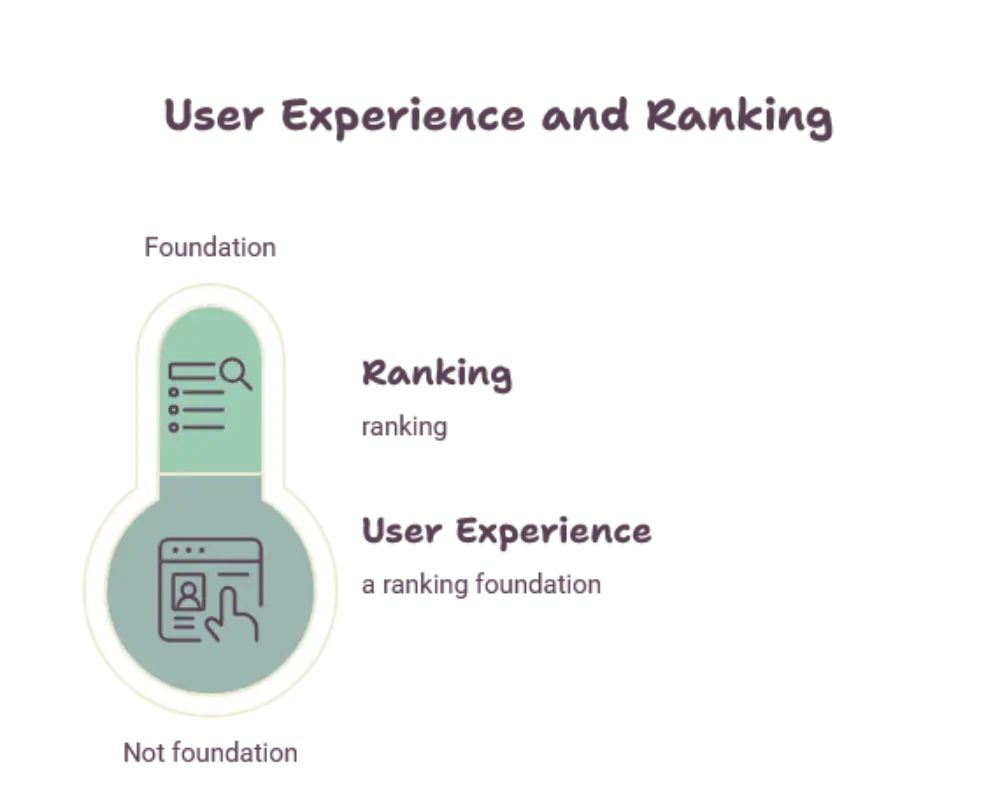
A page can have excellent content and still lose visitors if it feels slow or confusing. Search engines measure how people interact with pages, and poor experiences send the wrong signals.
Page Speed and Visual Stability
Fast loading pages keep readers engaged. Compress images, limit heavy scripts, and make sure layouts do not jump while loading.
Core Web Vitals remain a helpful guide for spotting problems with loading, responsiveness, and stability.
Mobile First Design
Most searches happen on phones. Use readable fonts, tappable buttons, and short paragraphs. Test your key pages on real devices, not just in a browser preview.
A clean, simple layout helps readers find answers quickly, which is exactly what search engines want to reward.
Video and Visual Search Are Growing
Text is no longer the only way people search. Short videos, images, and visual tools are now part of everyday discovery.
Add relevant videos to key pages and write clear titles and descriptions. Use original images with descriptive file names and helpful alt text.
Transcripts and captions make video content easier to index and more accessible. Visual content also keeps readers on the page longer, which supports engagement.
Local and Voice Search Opportunities
Many searches carry local intent, such as finding a service near me. Keep your business profile complete, accurate, and active. Encourage genuine reviews and respond to them thoughtfully.
Voice search favors conversational phrasing. Write in a natural tone and answer questions the way a person would say them out loud.
Local pages should also include unique details about the area you serve. Specific, useful information beats copied templates every time.
Zero Click Searches and Brand Visibility
Many searches now end without a click because the answer appears right on the results page. This changes how success is measured.
Visibility, brand recall, and citations in summaries matter alongside traffic. Aim to be the source people recognize and return to.
Build a memorable brand voice, share useful data, and publish content worth referencing. When people search for your brand by name, you gain an advantage that no algorithm shift can easily remove.
How to Put These SEO Trends Into Action
Knowing the trends is only the first step. A simple routine helps you apply them.
Audit Your Current Content
Review your top pages for accuracy, clarity, and depth. Update what is outdated and merge what is thin.
Plan Around Topics, Not Just Keywords
Map out your main subjects and the questions your audience asks about each one. Build clusters that cover the full journey from curiosity to decision.
Measure What Matters
Track engagement, conversions, and brand searches alongside rankings. A wider view gives you a truer picture of progress.
Conclusion
SEO Trends point in one clear direction. Search is becoming smarter, more conversational, and more focused on real value for people.
Focus on helpful content, strong topical coverage, genuine trust signals, and a smooth experience on every device. Keep learning, keep testing, and refine your approach as search evolves.
Start with one improvement this week and build from there. Steady progress will keep your site visible no matter how search changes.
FAQs
What are SEO trends?
SEO trends are the changing practices, technologies, and user behaviors that shape how websites rank in search results. They include shifts such as AI generated summaries, stronger quality signals, and a greater focus on user experience.
Why should I follow SEO trends?
Following SEO trends helps you adapt before your rankings or traffic suffer. It lets you update your content and website in line with what search engines and users expect.
How is AI changing SEO?
AI helps search engines understand intent and summarize answers directly in results. This means content must be clear, accurate, and well structured so it can be understood and cited by these systems.
Is keyword research still important?
Yes, but it works differently now. Instead of targeting single phrases, focus on topics and the questions people ask, then cover them in depth with related content.
How often should I update my SEO strategy?
Review your strategy at least every few months and after major search updates. Regular audits of your content, site performance, and rankings help you stay ahead of change.