
Key Highlights: Selecting the right insurance agent is crucial for securing the best protection for your needs. Understand the difference between a captive agent, who works for one insurance company, and an independent agent, who offers more options. Verify an agent’s license status and credentials with your state’s insurance department to ensure they are qualified. A good agent with a claims background and local expertise can provide superior service when you need it most. Choosing the right agent involves evaluating their experience, communication style, and whether they truly have your best interests at heart.
Introduction
Picking an insurance agent can feel like a shot in the dark. Do you go with the one you see on TV, the one your friend recommended, or the first one that pops up on Google? It’s a bigger decision than most people realize. The right agent doesn’t just sell you a policy; they act as your advocate and guide. This article will walk you through six key things to look for so you can find a good agent who understands your insurance needs and works for you, not just an insurance company.
Understanding the Role of an Insurance Agent
So, what does an insurance agent actually do? Think of them as your personal guide through the complex insurance industry. Their job is to help you identify risks, understand different insurance products like life insurance, and find the right coverage to protect what matters most to you.
A good agent puts your best interests first. They take the time to learn about your specific situation and recommend insurance coverage that genuinely fits. The right agent can make a world of difference, simplifying confusing options and ensuring you’re not left unprotected when you need it most.
Insurance Agent vs. Insurance Broker: What’s the Difference?
You might hear the terms “agent” and “broker” used interchangeably, but they aren’t the same. The main difference lies in who they represent. An insurance agent, whether captive or independent, is appointed to represent one or more insurance companies. Their role is to sell policies on behalf of that insurance carrier.
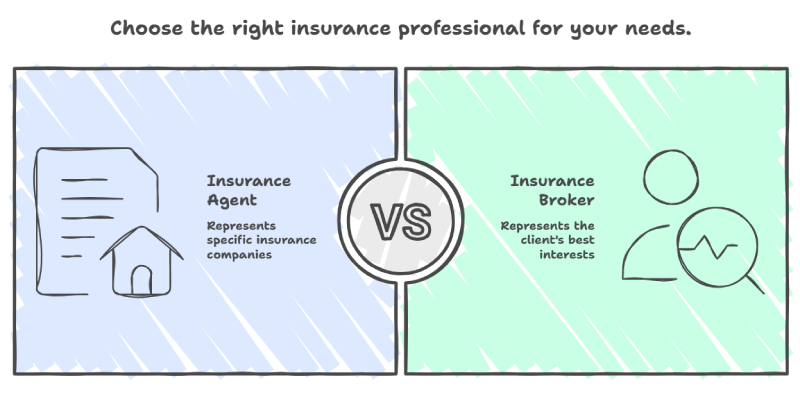
An insurance broker, on the other hand, works for you, the client. They are not tied to a single insurer and search the entire market to find the best policy for your needs. In some states, like California, brokers must post a bond to show their commitment to representing clients’ interests above all else.
While both can help you get insured, their loyalties differ. An independent agent offers choices from the companies they’re appointed with, while a broker can explore a wider range of options.
| Feature | Insurance Agent | Insurance Broker |
|---|---|---|
| Represents | One or more specific insurance companies | The client (you) |
| Allegiance | To the insurance company | To the client’s best interests |
| Options | Limited to the companies they are appointed with | Can search the entire market for policies |
Key Factors to Consider When Choosing an Insurance Agent
Finding the right agent is about more than just getting a quote. You’re looking for a long-term partner who will be there for you when things go wrong. To make sure you find a good fit, you need to know what to look for. Think about your personal insurance needs and what kind of relationship you want with your agent.
Are you looking for someone who can offer policies from many different carriers, or are you comfortable with a single brand? An independent insurance agent can provide a wider array of choices. It’s also important to avoid common mistakes, like choosing an agent based solely on price without considering their experience or customer service reputation.
Here are a few key factors to keep in mind:
- Experience & Specialization: Does the agent have expertise in the type of insurance you need?
- Communication: Are they responsive and easy to talk to?
- Reputation: What do online reviews and testimonials say about them?
- Licensing: Is the agent properly licensed in your state?
Beginner’s Guide: Getting Started with Finding the Right Insurance Agent
Ready to start your search? Finding the right insurance agent doesn’t have to be overwhelming. The first step is to arm yourself with a little knowledge about the insurance industry and what you’re looking for. understanding your own insurance needs first, you can have a much more productive conversation with potential agents.
This preparation helps you ask the right questions and make an informed decision. Instead of just being sold a policy, you’ll be able to partner with an agent from an insurance company who truly understands your goals. Let’s look at what you need to do before you start your search.
What You’ll Need Before You Start Your Search
Before you pick up the phone or start searching online, take a few minutes to get organized. Having a clear picture of your insurance needs will make the entire process smoother and help you find the right coverage more quickly. You don’t need to be an expert, but a little prep work goes a long way.
Start by thinking about the type of insurance you need. Are you looking for auto, home, life, or maybe a combination? Consider your budget and what you can comfortably afford for premiums. This information will help a potential insurance agent narrow down the options and find policies that are a good fit for your financial situation.
Here’s a quick checklist to prepare:
- A general idea of the insurance you need (e.g., homeowners, Medicare, etc.).
- An understanding of your budget for monthly or annual premiums.
- Any specific preferences, like wanting to work with someone local or having online access.
Step-by-Step Guide to Choosing an Insurance Agent
Once you’ve done your homework, you can begin the process of finding the right agent. This isn’t just about comparing prices; it’s about finding a professional you can trust. A systematic approach will help you evaluate your options and select an agent who can guide you through different insurance policies effectively.
Start by gathering recommendations from friends, family, or professional contacts. You can also check online review sites, but be sure to look for detailed feedback about customer service, not just cost. An independent insurance agent might be a good starting point if you want to compare offers from multiple carriers.
Here’s a simple step-by-step process to follow:
- Step 1: Decide between a captive or independent agent.
- Step 2: Evaluate their credentials and licensing.
- Step 3: Look for claims experience and local expertise.
- Step 4: Interview your top candidates.
- Step 5: Make your informed decision.
Step 1: Decide Between a Captive or Independent Agent
Your first major decision is whether to work with a captive agent or an independent agent. A captive agent represents a single insurance company, like State Farm or Allstate. They have deep knowledge of their company’s products but can only offer you policies from that one carrier. This can be a good option if you have a strong preference for a particular brand.
An independent agent, on the other hand, works with many different insurance companies. They can shop around on your behalf to find the best policy for your needs and budget. This flexibility often means they can tailor recommendations more closely to your situation, putting your best interests first by comparing options from across the market. For many people, working with a local insurance agent in Oregon who is independent provides more choice and a better overall fit.
Ultimately, the choice depends on your priorities. Do you value brand loyalty and deep product knowledge from one company, or do you prefer having a wide range of options from multiple carriers?
Step 2: Evaluate Credentials and Licensing (LUTCF, State Licensing)
Never assume an insurance agent is qualified just because they have an office and business cards. Professional credentials and proper licensing are non-negotiable. Every agent must be licensed by your state’s insurance department to sell insurance. You can and should verify their license status online, often with just their name or license number.
Beyond basic licensing, look for advanced designations. Credentials like LUTCF (Life Underwriter Training Council Fellow) or CIC (Certified Insurance Counselor) signal a higher level of training and commitment to the industry. These aren’t just fancy letters; they show the agent has invested significant time in mastering their craft.
An agent with these qualifications is more likely to have a thorough understanding of complex policies and risk management. Checking these details is a quick and easy way to filter out less experienced or less dedicated individuals.
Step 3: Look for Claims Experience and Local Expertise
An agent’s true value is revealed when you have to file a claim. This is where an agent with a background in claims has a huge advantage. They understand how the insurance company processes claims, what adjusters look for, and how to navigate the system to get a fair and prompt payout. This inside knowledge is something most sales-focused agents simply don’t have.
Additionally, a local agent offers a level of customer service that a national call center can’t match. They understand local risks, like specific weather patterns or regional liability issues, and can recommend coverage accordingly. When you have a claim, you have a direct line to a person you know, not an anonymous representative in another state. This local expertise and personalized service are invaluable during a stressful time.
Conclusion
Choosing the right insurance agent can be a pivotal decision that significantly impacts your coverage experience. Remember to prioritize agents who genuinely understand your needs—those who provide a clear comparison of policies rather than simply selling you on the cheapest option. Evaluating an agent’s credentials, local presence, and claims experience will ensure you’re in good hands when it matters most. Don’t overlook red flags like vague answers or pressure tactics; a trustworthy agent should foster a relationship based on transparency and support. As you embark on this journey, consider reaching out and working with a local insurance agent in Oregon to find the best fit for your unique situation. Taking the time to choose wisely now can lead to peace of mind later.
Frequently Asked Questions
How can I check if an insurance agent is trustworthy and reliable?
Check their license number with your state’s department of insurance to confirm they are in good standing. You should also read online reviews and ask for client testimonials. A trustworthy agent will be transparent and willing to provide references, proving their reliability and commitment to good service.
What are the warning signs or red flags to watch for when meeting with an agent?
Beware of an insurance agent who pressures you to buy immediately, gives vague answers to your questions, or doesn’t seem interested in your specific needs. Lack of experience with your industry or poor customer service reviews are also major red flags that signal you should look elsewhere.
Is it better to work with a local insurance agent or a call center?
A local agent typically offers more personalized service and is accountable to their community. When you file a claim, you have a direct contact. Call centers often lack this personal touch, and you may speak to a different person each time you call, which can be frustrating when you need consistent help with your insurance coverage.
Where can I find reviews or recommendations for insurance agents in my area?
Start by asking friends, family, and colleagues for personal recommendations. You can also check online review sites like Google and Yelp for local insurance agencies. Your state’s department of insurance website may also offer tools to find licensed agents in your area and view any disciplinary actions.