Key Highlights: A clean school environment is crucial for successful learning and overall student safety. Proper disinfection helps prevent the spread of infectious diseases, reducing absenteeism among students and staff. Identifying and prioritizing high-touch surfaces like door handles is a key step in an effective cleaning plan. School administrators should choose EPA-approved cleaning products that are safe for children. Partnering with a professional cleaning service ensures consistent and effective disinfection. Following best practices protects everyone from the risk of exposure to harmful germs and chemicals.
Introduction
Schools are bustling hubs where children learn, play, and grow. However, these high-traffic areas can also be breeding grounds for germs. Ensuring student safety goes beyond academic support; it requires maintaining a clean and healthy school environment. Using the right cleaning products and methods for disinfection is not just about appearances—it’s a fundamental part of protecting public health. A proactive approach to cleaning helps create a space where students and faculty can thrive without the constant threat of illness.
Understanding School Disinfection and Its Role in Student Safety
School disinfection is the process of using specific chemicals to kill germs on surfaces, which is a critical component of disease prevention. Unlike basic cleaning that just removes visible dirt, disinfection targets harmful pathogens that cause infectious diseases. This makes it an essential practice for creating a safe environment for everyone in the building.
For school administrators, implementing a robust disinfection strategy reduces the risk of infection spreading through classrooms and common areas. Daily disinfection of high-touch surfaces can stop illnesses in their tracks, promoting a healthier setting where learning is the top priority. This proactive measure is key to maintaining a consistently safe space for students and staff.
Why Effective Disinfection is Essential for Educational Environments
An effective disinfection protocol is a cornerstone of disease control within any school. Educational institutions are high-traffic environments where infectious diseases can spread rapidly. Without proper disinfection, germs on surfaces can lead to outbreaks, causing significant disruption to the learning process.
School administrators have a responsibility to implement effective cleaning measures that go beyond simple tidying. A thorough disinfection plan minimizes the risk of illness, which in turn reduces student and staff absenteeism. When the school environment is consistently clean, it becomes a healthier, more productive place for everyone.
An effective school disinfection protocol involves several key steps. It starts with identifying high-risk areas, selecting the right EPA-approved products, and training staff on proper application techniques. Consistency is also vital to ensure that germs don’t get a chance to spread. This comprehensive approach is fundamental to protecting the well-being of the entire school community.
The Link Between Cleanliness and Reduced Absenteeism
Have you ever noticed how illnesses seem to sweep through a school? The connection between a clean school environment and student attendance is undeniable. Regular and thorough school cleaning directly combats the spread of infectious diseases, which are a primary cause of students and staff staying home sick.
When surfaces are not properly disinfected, the risk of infection increases dramatically. Germs can survive on desks, doorknobs, and keyboards for hours or even days. Daily disinfection helps prevent the spread of illnesses by eliminating these pathogens before they can be transmitted. A proactive approach to cleaning helps keep everyone healthier and more present.
investing in a consistent cleaning routine, schools can create a healthier atmosphere that supports uninterrupted learning. Fewer sick days for students and teachers mean more time spent on education and a more stable, productive school year for all.
Key Steps in a Comprehensive School Disinfection Protocol
Creating a comprehensive disinfection plan is essential for any school. School administrators must work with their school cleaning staff to develop and implement a protocol that meets health and safety standards. This ensures that every cleaning session is performed correctly and consistently, minimizing the risk of exposure for students and faculty.
An effective cleaning strategy involves more than just wiping down surfaces. It requires identifying critical areas, choosing the right products, and scheduling regular cleanings. We will now explore the specific steps involved, from identifying high-touch surfaces to establishing a routine.
High-Touch Surface Identification and Prioritization
One of the most critical steps in any disinfection plan is identifying which areas get the most traffic. High-touch surfaces are the primary culprits for spreading germs throughout a school. Facility managers and the school cleaning staff should collaborate to create a map of these hotspots.
These surfaces are touched by many different people throughout the day, increasing the potential for germ transmission. Areas like classrooms, cafeterias, and bathrooms require the most attention during disinfection. Prioritizing these hard surfaces ensures that cleaning efforts are focused where they will have the greatest impact on health and safety.
Specific areas that require frequent disinfection include:
- Door handles and knobs
- Light switches
- Shared computer keyboards and phones
- Drinking fountains
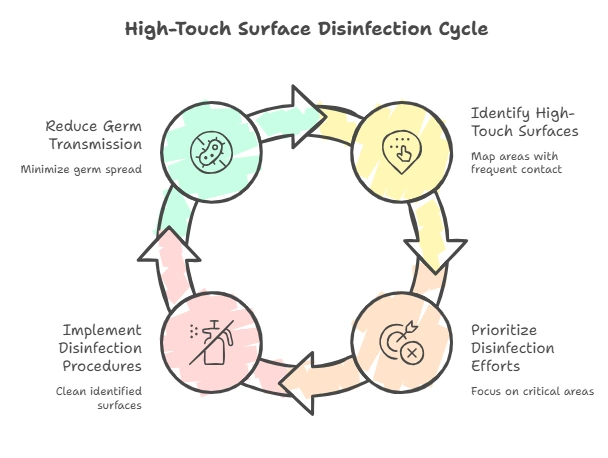
focusing on these key points, you can significantly reduce the spread of germs within your facility.
Frequency and Scheduling of Disinfection Routines
How often should schools be disinfected to keep students safe? The answer depends on the area and its usage. A consistent schedule for routine cleaning and disinfection is essential for maintaining a healthy environment. Facility managers should establish clear guidelines that adapt to different situations, such as an increase in illnesses during flu season.
Some surfaces require daily attention, while others can be cleaned weekly. For example, high-touch surfaces like doorknobs and light switches should be cleaned daily, or even more frequently during an outbreak. Creating a detailed schedule helps ensure no area is overlooked.
A well-structured school cleaning schedule might look something like this:
| Area/Surface | Frequency |
|---|---|
| High-Touch Surfaces (doorknobs, light switches) | Daily |
| Classroom Desks & Tables | After each use or daily |
| Cafeteria Tables | Before and after each use |
| Floors | Daily |
| Carpets & Rugs | Vacuum daily, deep clean weekly/monthly |
| Restrooms | Daily |
This structured approach ensures consistency and helps maintain a safe learning environment for everyone.
Best Practices for Disinfecting Classrooms and Common Areas
Disinfecting classrooms and common areas effectively requires more than just a quick wipe-down. The custodial staff must be trained on the best practices to ensure the school environment is truly clean and safe. This includes using products like disinfectant wipes correctly and allowing for proper contact times so the disinfectant can work.
Following established guidelines helps create a consistently healthy space for learning. From application techniques to proper documentation, every step plays a role in protecting students and staff. Let’s look at some of the best practices for disinfecting different spaces within a school.
Safe Application Techniques for Different Spaces
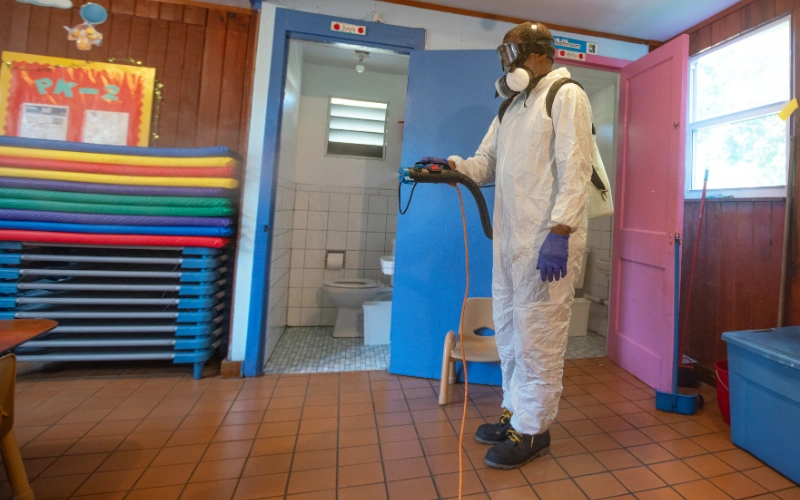
Applying disinfectants safely is just as important as choosing the right product. The janitorial staff should always wear appropriate personal protective equipment (PPE), such as gloves and glasses, to protect themselves from chemical exposure. Different spaces may also require different techniques.
For instance, hard surfaces in a classroom can be wiped down, while larger areas might benefit from electrostatic sprayers that ensure even coverage. It is crucial to follow the instructions on the cleaning products’ labels for dilution, application, and dwell time. Proper ventilation, like opening windows or using an HVAC system, is also necessary to reduce fumes.
Here are a few key techniques:
- Always clean surfaces to remove dirt and debris before disinfecting.
- For early childhood education settings, use products safe for food-contact surfaces on toys that children might put in their mouths.
- Allow surfaces to air dry after disinfection unless the product label specifies otherwise.
These practices help ensure that disinfection is both effective and safe for everyone in the building.
Monitoring and Documentation for Consistent Results
How can you be sure your disinfection protocols are being followed correctly? Monitoring and documentation are key to ensuring consistency and accountability. Facility managers should create checklists for the school cleaning staff to follow, detailing which areas need to be cleaned and when.
These records provide a clear overview of cleaning activities and help identify any gaps in the process. This documentation can be managed using simple log sheets or through secure websites designed for facility management. Keeping these records helps demonstrate compliance with health and safety regulations.
Protecting sensitive information within these records is also important. regularly reviewing cleaning logs, managers can ensure that procedures are being performed correctly and can provide additional training where needed. This systematic approach leads to more reliable and consistent results, creating a safer environment for all.
The Importance of Choosing Safe and Effective Disinfectants
Which disinfectants are safe to use in schools around children? This is a critical question for any school administrator. Choosing the right cleaning products is a balancing act between effectiveness and safety. The product label contains vital information about a disinfectant’s ingredients, proper use, and potential hazards.
It’s essential to select products that are powerful enough to kill germs but gentle enough to be used around students and staff without causing a risk of exposure. Opting for a safer choice product can help protect everyone’s health while maintaining a clean environment. We will now explore how to identify these products and compare different disinfection methods.
EPA-Approved Products Suitable for Schools
When selecting disinfectants, the first thing to look for is an EPA-approved registration number on the label. This indicates that the product has been tested and proven effective against the pathogens it claims to kill. The Environmental Protection Agency (EPA) maintains lists of approved disinfectants, which are a valuable resource for schools.
For a school setting, it is especially important to find a safer choice. Many cleaning products contain harsh chemicals, but there are EPA-approved options that are less hazardous. The school cleaning staff should be trained to read the product label carefully to understand the required personal protective equipment and safety precautions.
Here are some recommended products and methods for effective school disinfection:
- Look for products on the EPA’s List N for disinfectants effective against viruses like SARS-CoV-2.
- Choose fragrance-free and dye-free options to reduce potential irritants.
- Use microfiber cloths for cleaning, as they are more effective at trapping dirt and germs than cotton cloths.
- Consider ready-to-use disinfectant wipes for quick and easy cleaning of high-touch surfaces.
Evaluating Chemical vs. Alternative Disinfection Methods
While traditional chemical disinfectants like those containing chlorine bleach are effective, some schools are exploring alternative disinfection methods. Are there effective alternatives? The answer is yes, but it’s important to evaluate their effectiveness and suitability for a school environment.
Alternatives can include technologies like UV-C light or steam cleaning. These methods can be very effective at killing germs on hard surfaces without the use of harsh chemicals. However, they may require specialized equipment and training, and they may not be suitable for all types of surfaces.
When weighing your options, consider factors like cost, ease of use, and safety. While chemical disinfectants are often the most practical and cost-effective solution for daily effective cleaning, integrating alternative methods can be part of a comprehensive strategy. The goal is to find a balanced approach that keeps students and staff safe while minimizing chemical exposure.
Addressing Risks and Safety Considerations in School Disinfection
While disinfection is crucial for a safe environment, the cleaning products themselves can pose risks if not handled properly. What risks should schools consider when using chemical disinfectants? The primary concern is the risk of exposure for both students and staff. This can lead to respiratory issues, skin irritation, or other health problems.
To mitigate these risks, it’s vital to implement strict safety protocols. This includes providing personal protection equipment (PPE), ensuring proper ventilation during and after cleaning, and training staff on the safe handling of all chemicals. Let’s examine how to protect people from exposure and common mistakes to avoid.
Protecting Students and Staff from Chemical Exposure
Ensuring that disinfecting procedures are safe for everyone is a top priority. The risk of exposure to chemicals can be significantly reduced by following a few key safety measures. First and foremost, the school cleaning staff must be provided with and trained to use personal protection equipment.
Proper ventilation is also non-negotiable. Cleaning should be done when students are not present, and spaces should be aired out before they return. It’s also wise to choose products with low toxicity and avoid those with strong fragrances, which can trigger allergies and asthma. Creating a safe environment means being mindful of both the germs and the chemicals used to fight them.
To protect students and staff, every school should:
- Schedule cleaning and disinfection outside of school hours.
- Ensure all cleaning products are stored securely and out of the reach of children.
- Train staff on emergency procedures in case of accidental spills or exposure.
Common Mistakes to Avoid During the Disinfection Process
Many schools make common mistakes during the disinfection process that can compromise effectiveness and safety. One major error is not cleaning a surface before disinfecting it. Disinfectants work best on surfaces that are free of dirt and grime.
Another frequent mistake is not allowing for proper contact times. Most cleaning products need to remain on a surface for a specific duration to kill germs effectively. Simply spraying and wiping immediately can render the disinfectant useless. The safety of staff is also sometimes overlooked, with inadequate training or a lack of proper ventilation.
Here are some common mistakes to avoid:
- Using the wrong product for the surface.
- Mixing different cleaning products, which can create hazardous fumes.
- Forgetting to disinfect less obvious high-touch areas.
- Failing to provide ongoing training for the school cleaning staff.
avoiding these pitfalls, schools can ensure their disinfection efforts are both safe and successful.
The Role of Professional Cleaning Services in School Safety
Managing a comprehensive school cleaning and disinfection program can be a significant challenge for facility managers. This is where a professional commercial cleaning company can make a world of difference. These experts bring the training, equipment, and consistency needed to maintain a truly safe and healthy school.
A professional disinfection service understands the unique challenges of educational environments. They can develop a customized plan that addresses high-risk areas and complies with health regulations. Partnering with specialists like Naomi’s Cleaning Services ensures that your school’s cleaning needs are met with expertise and reliability, allowing administrators to focus on education.
Benefits of Partnering with Naomi’s Cleaning Services
When school administrators partner with a commercial cleaning company like Naomi’s Cleaning Services, they gain access to a team of trained professionals dedicated to school cleaning. We understand the best practices for disinfecting classrooms and common areas, ensuring a consistently high standard of cleanliness that in-house teams may struggle to maintain.
Our disinfection service uses industry-leading techniques and EPA-approved products to effectively eliminate germs and reduce the spread of illness. This proactive approach helps minimize student and staff absenteeism, creating a healthier and more productive learning environment. We work with you to create a customized cleaning schedule that fits your school’s unique needs and budget.
Partnering with Naomi’s Cleaning Services offers several key benefits:
- Access to specialized equipment and expertise in disinfection.
- Consistent and reliable service that frees up school resources.
- Improved health and safety, leading to greater trust from parents and the community.
How Professional Expertise Supports Lasting Student Health
The expertise of a professional cleaning service provides more than just a clean school environment; it fosters a culture of health and safety. Companies like Naomi’s Cleaning Services are well-versed in disease prevention and use advanced disinfection service techniques to protect student safety on a long-term basis.
This professional oversight ensures that cleaning protocols are not only effective but also consistently applied. Experts stay up-to-date on the latest health guidelines and cleaning technologies, from antimicrobial coatings to improved ventilation practices. This allows your school to stay ahead of potential health threats.
Ultimately, investing in professional expertise means investing in the well-being of your students and staff. A reliably clean and disinfected school minimizes disruptions from illness, supports better learning outcomes, and provides peace of mind for the entire community.
Conclusion
In conclusion, ensuring a clean and disinfected school environment is paramount for the safety and well-being of students and staff. Effective disinfection goes beyond just aesthetics; it directly impacts student health and reduces absenteeism. implementing best practices and utilizing EPA-approved products, schools can create a safe learning atmosphere. Partnering with professional cleaning services like Naomi’s Cleaning Services not only brings expertise but also ensures that all disinfection protocols are meticulously followed. This commitment to cleanliness can foster a healthier, more productive educational experience for everyone. Don’t overlook the importance of a thorough disinfection strategy—it’s a crucial step in safeguarding our future generations.
Frequently Asked Questions
How often should schools perform disinfection procedures to ensure student safety?
For optimal student safety and disease control, schools should perform routine cleaning and disinfection daily, especially for high-touch surfaces. During flu season or an illness outbreak, the frequency should be increased. A consistent school cleaning schedule is key to preventing the spread of germs and protecting everyone in the building.
What specific areas in a school require the most attention during disinfection?
School administrators should focus disinfection efforts on high-touch areas where germs spread easily. This includes door handles, light switches, drinking fountains, desks, and shared computer keyboards. Cleaning these hard surfaces frequently with effective cleaning products is essential for reducing the risk of illness.
Are there any recommended products or methods for effective school disinfection?
Yes, for effective school cleaning, it is recommended to use EPA-approved disinfectants. Look for products with a “safer choice” label that are suitable for use around children. Disinfectant wipes are convenient for high-touch surfaces, but always check the product label to ensure proper use and effectiveness.