Key Highlights: Recognize the common signs of a clogged drain, such as slow drainage, foul odors, and gurgling sounds. Understand the difference between minor clogs and main sewer line issues that require professional help. Explore effective drain cleaning methods, including plunging, snaking, and powerful hydro jetting. Learn about eco-friendly solutions to keep your drains clear without using harsh chemicals. Discover why preventive maintenance is crucial for avoiding future clogs and costly repairs. Find out what to look for when choosing professional plumber in Oregon City for your drain cleaning services.
Introduction
Dealing with a clogged drain can be a frustrating experience for any homeowner. From kitchen sinks to bathroom drains, a blockage can disrupt your daily routine and, if left untreated, lead to more significant problems within your plumbing system. Keeping your drains running smoothly is essential for a healthy and functional home. This guide will walk you through the signs of a clog, the best cleaning methods, and preventive tips to help you maintain a clog-free home.
Common Signs Your Home Needs Drain Cleaning
As a homeowner, knowing the early warning signs of drainage issues can save you from a major headache. A simple blockage can quickly turn into stubborn clogs or a messy backup if ignored. Paying attention to how your plumbing behaves is the first step toward preventing a full-blown drain clog.
These signs are your home’s way of telling you it needs attention. From strange noises to unpleasant smells, your plumbing system often gives you clues that trouble is brewing. Understanding these indicators will help you know when it’s time to take action.
Slow Draining Sinks and Tubs
Have you noticed the water in your sink or tub taking longer than usual to drain? This is one of the most common and earliest signs of a developing clog. When water pools around the drain of your bathtub or sink long after you’ve turned off the faucet, it’s a clear indicator that something is obstructing the flow.
This slow drainage is typically caused by a buildup of materials inside your drain pipes. Over time, things like hair, soap scum, food particles, and grease accumulate on the inner walls of the pipes. This gradual accumulation narrows the passage for water, causing it to drain slowly.
Ignoring this issue allows the buildup to worsen, eventually leading to a complete blockage. Addressing a slow drain promptly can prevent a more serious problem from developing. Acting fast ensures your pipes stay clear and functional, saving you from a more difficult and costly repair down the road.
Persistent Odors from Pipes
If you notice a foul odor coming from your drains that just won’t go away, it’s a strong sign of a problem within your plumbing. This unpleasant smell is often caused by trapped food, grease, or other organic matter that has started to decay inside your pipes. It’s a sign that your drains need more than just a quick rinse.
While a bad smell can indicate a simple clog, a persistent sewer-like odor could point to a more serious issue with your main sewer line. How can you tell the difference? If you notice multiple fixtures are clogged, you hear gurgling sounds when you flush the toilet, or water backs up in the shower after flushing, the problem is likely in the main line. These are clear signs of a severe blockage requiring professional attention.
A main sewer line issue is not something to ignore, as it can lead to sewage backing up into your home. If you suspect a problem with your sewer line, it’s best to call a professional immediately to inspect the system and prevent further damage.
Gurgling Sounds in Plumbing
Do you ever hear strange gurgling sounds coming from your drains when water is going down? These noises might sound like a coffee pot percolating, but they are actually a sign of trouble in your plumbing system. These sounds indicate that air is trapped in your pipes and is being forced through water when you use a sink or flush a toilet.
The trapped air is usually caused by a partial obstruction that is disrupting the normal flow of water and air. As water tries to move past the blockage, it creates air bubbles that result in that distinct gurgling noise. This is a common symptom of developing drainage issues that shouldn’t be overlooked.
While it may seem minor, gurgling is an early warning that a clog is forming. Addressing the obstruction before it becomes a complete blockage can help you avoid a messy backup and more extensive plumbing problems. Taking action when you first hear these sounds can keep your system flowing smoothly.
Best Methods for Unclogging Drains
When faced with a clog, you have several options, from simple DIY fixes to professional drain cleaning services. The best way to unclog a drain depends on the severity of the blockage. For minor issues, a mechanical approach is often effective and much safer for your pipes than harsh chemical cleaners.
For more stubborn clogs, professional methods like using a metal cable or hydro jetting are far more effective. These techniques are designed to tackle tough blockages without damaging your plumbing. Let’s explore some of the most common and effective methods for getting your drains back in working order.
Plunging and Manual Removal
For minor blockages, a plunger is often your best first line of defense. This simple tool works by creating suction to dislodge the material causing the clog. It’s a mechanical, chemical-free method that can be surprisingly effective for simple obstructions in sinks, tubs, and toilets.
Unlike a chemical drain cleaner, a plunger won’t corrode your pipes or harm the environment. However, it may not be powerful enough for stubborn clogs or blockages located further down the line. If a few good attempts with the plunger don’t work, the problem might be more complex.
Here are a few tips for effective plunging:
- Ensure there’s enough water in the sink or tub to cover the plunger’s cup.
- Create a tight seal around the drain opening before you begin plunging.
- Use steady, firm pushes and pulls to create the necessary pressure.
Snaking and Auger Tools
When a plunger isn’t enough to clear a drain clog, the next step is often drain snaking. This method, also known as drain cabling, involves feeding a long, flexible metal cable into the pipe. The end of the cable has an auger, which is a corkscrew-like tip that breaks up or pulls out the obstruction.
Professionals use advanced equipment for snaking that can reach deep into your plumbing system to tackle even the most persistent clogs. It’s a reliable and time-tested technique for physically removing blockages caused by hair, grease, and other debris. This method is highly effective and safe for most types of pipes.
Many professional plumbing companies offer this service at competitive prices, providing an accurate diagnosis of the problem before they begin. Using a drain snake is one of the primary methods drain cleaning professionals in Oregon City use to resolve clogs quickly and efficiently without resorting to harsh chemicals.
Hydro Jetting Techniques
For the most severe clogs and thorough cleaning, hydro jetting is one of the best solutions available. This powerful drain cleaning process uses high-pressure water jets to blast away blockages and buildup inside your pipes. It’s incredibly effective for clearing out grease, sludge, tree roots, and other tough debris from your plumbing.
Hydro jetting does more than just break up a clog; it also cleans the inner walls of your pipes, restoring them to a like-new condition. This comprehensive cleaning helps prevent future clogs from forming. It’s particularly effective for clearing out the main sewer line and addressing recurring issues that other methods can’t resolve.
Because of its power, hydro jetting should always be performed by a trained professional. They can assess your plumbing system to ensure it can handle the pressure and use the technique safely. This method is an excellent choice for maintaining the long-term health of your pipes.
Eco-Friendly Drain Cleaning Solutions
In a place like Oregon City where eco-conscious living is a priority, many homeowners look for drain cleaning solutions that are safe for the environment. Fortunately, there are several eco-friendly options available that avoid the harsh chemicals found in traditional drain cleaners. These methods are effective and minimize your environmental impact.
From natural enzyme-based products to simple preventive practices, you can keep your drains clear without harming your pipes or the ecosystem. These green solutions not only address current clogs but also help prevent future clogs from forming.
Natural Enzyme-Based Products
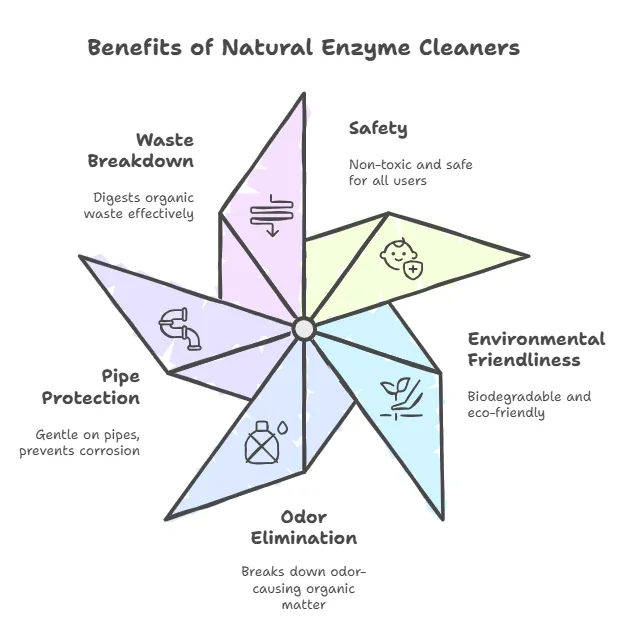
If you’re looking for a safe and eco-friendly alternative to chemical drain cleaners, natural enzyme-based products are an excellent choice. These cleaners use beneficial bacteria and enzymes to break down organic waste like grease, hair, and food particles that cause buildup in your drain pipes.
Unlike harsh chemical cleaners that can corrode your pipes and harm the environment, enzyme cleaners work gently and safely. They digest the blockage over time without producing toxic fumes or damaging your plumbing system. This makes them a great option for regular maintenance to keep drains flowing freely.
Here’s why enzyme-based cleaners are a smart option:
- They are non-toxic and safe for children, pets, and all types of pipes.
- They are biodegradable and environmentally friendly.
- They help eliminate odors by breaking down the organic matter causing them.
DIY Baking Soda and Vinegar Mix
You may have heard about using a mixture of baking soda and vinegar as a DIY drain cleaning solution. The idea is that the chemical reaction between the two ingredients can help loosen minor buildup in your pipes. While this method can sometimes help with very small clogs, it’s often not powerful enough for more significant issues.
The fizzing action of baking soda and vinegar might look impressive, but it typically lacks the force to clear away stubborn clogs. For serious blockages caused by dense materials like grease or hair, this home remedy is unlikely to be effective. Relying on it could delay a proper solution, potentially making the problem worse.
In most cases, it is best to avoid DIY drain cleaning solutions beyond using a plunger. For anything more than a minor clog, mechanical methods like snaking or hydro jetting are safer for your pipes and much more effective at clearing the blockage completely.
Preventive Maintenance with Safe Practices
The easiest way to deal with clogs is to prevent them from happening in the first place. Practicing preventive maintenance is key to avoiding serious drain issues and extending the life of your plumbing system. A few simple habits can make a huge difference in keeping your pipes clear.
Start by being mindful of what goes down your drains. Avoid pouring grease, oil, or coffee grounds down the kitchen sink, as these are major causes of buildup. In the bathroom, use a mesh strainer to catch hair and soap scum before they can enter the drain. Regularly cleaning these strainers is a simple but effective step.
Scheduling professional inspections and cleanings every couple of years can also help you catch potential issues early. This is especially important for older homes, which may have more delicate plumbing. Consistent, safe practices will help you avoid future clogs and maintain a healthy plumbing system.
Conclusion
Effective drain cleaning is essential for maintaining a healthy and functional home. recognizing the signs that indicate your drains need attention, you can prevent more serious plumbing issues down the line. Implementing the best methods for unclogging drains, from manual removal to eco-friendly solutions, not only helps you tackle existing clogs but also promotes long-term maintenance. Remember, taking proactive measures can save you time, money, and hassle. So, whether you’re dealing with slow drains or persistent odors, follow these tips for a clog-free home. If you have any questions or need assistance, don’t hesitate to reach out!
Frequently Asked Questions
How much does professional drain cleaning usually cost?
The cost of professional drain services can range from around $100 for a simple clog to $800 or more for a main sewer line issue. Many companies offer competitive prices and a free estimate, so you know the cost upfront. To get an accurate quote, it’s best to schedule service with a professional.
Can I get same-day service for drain cleaning emergencies?
Yes, many drain cleaning services in the Oregon metro area offer same-day service for emergencies. If you have a severe clogged drain that is causing a backup or flooding, you don’t have to wait for help. Quick assistance can minimize water damage and resolve the issue promptly.
What should I consider when choosing a drain cleaning company?
When choosing a drain cleaning company, look for one with years of experience, positive customer reviews, and advanced equipment. A reliable company will prioritize customer satisfaction and be transparent about their methods. This is the best way to ensure they will do a great job and resolve your drain issues effectively.