Sustainable real estate is more than a trend—it’s a movement that is reshaping how we think about building and living. At the heart of this movement lies energy-efficient homes. These homes are not just environmentally friendly; they also promise significant savings, enhanced comfort, and increased property value. Let’s explore why energy-efficient homes are the cornerstone of sustainable living and how they are transforming the real estate landscape.
What Are Energy-Efficient Homes?
Energy-efficient homes are designed to minimize energy consumption while maximizing comfort and functionality. These homes integrate advanced construction techniques, modern appliances, and renewable energy sources to reduce their carbon footprint. Key features of energy-efficient homes include:
- High-quality insulation: Ensures stable indoor temperatures and reduces heating and cooling costs.
- Energy-efficient windows: Double or triple-pane windows that prevent heat loss.
- Smart home systems: Devices that optimize energy usage, such as programmable thermostats.
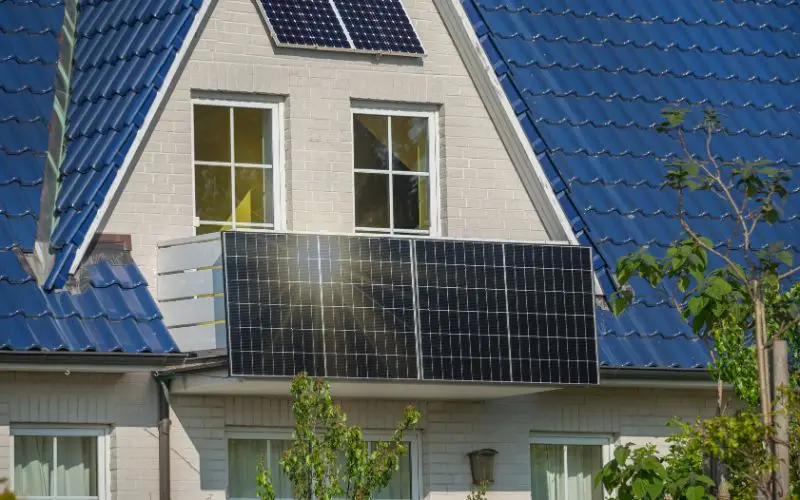
- Solar panels: Renewable energy systems that power the home sustainably.
- Energy Star appliances: Certified devices that use less energy compared to conventional models.
incorporating these features, energy-efficient homes create a win-win situation for homeowners and the environment.
Benefits of Energy-Efficient Homes
Cost Savings
One of the most compelling advantages of energy-efficient homes is the potential for reduced utility bills. Features like solar panels and energy-efficient HVAC systems lower electricity and heating costs significantly. Over time, these savings can offset the initial investment in sustainable features.
Environmental Impact
Energy-efficient homes play a crucial role in reducing greenhouse gas emissions. consuming less energy, these homes decrease reliance on fossil fuels, contributing to a healthier planet. Adopting renewable energy solutions, such as solar or wind power, further enhances their eco-friendly credentials.
Enhanced Comfort
Improved insulation, high-performance windows, and advanced ventilation systems create a more comfortable living environment. Homeowners can enjoy consistent indoor temperatures, better air quality, and reduced noise pollution.
Increased Property Value
Energy-efficient homes often command higher resale values. Buyers recognize the long-term financial and environmental benefits, making these properties highly desirable. According to studies, homes with energy-efficient certifications sell faster and at a premium.
Essential Features of Energy-Efficient Homes
Sustainable Building Materials
Using eco-friendly materials, such as recycled steel, bamboo, and reclaimed wood, can significantly reduce a home’s environmental impact. These materials are durable, renewable, and contribute to a sustainable construction process.
Smart Technology
Modern energy-efficient homes leverage smart technology to optimize energy consumption. Features like smart thermostats, motion-sensor lighting, and energy monitoring systems provide homeowners with real-time control over their energy usage.
Efficient Water Systems
Low-flow faucets, dual-flush toilets, and rainwater harvesting systems help conserve water. Integrating these systems with smart technology can further reduce waste.
Renewable Energy Integration
Solar panels and geothermal systems are common in energy-efficient homes. These renewable energy solutions not only lower utility costs but also enable homeowners to contribute excess power back to the grid.
How to Make Your Home Energy-Efficient
Conduct an Energy Audit
An energy audit identifies areas where your home is losing energy and provides actionable recommendations. Many utility companies offer free or low-cost audits to help homeowners optimize their energy usage.
Upgrade Insulation and Windows
Adding high-quality insulation and upgrading to double or triple-pane windows can significantly reduce energy loss. These upgrades pay off in both comfort and cost savings.
Install Solar Panels
While the upfront cost can be significant, government incentives and long-term savings make solar panels a worthwhile investment. They also increase your home’s marketability.
Replace Old Appliances
Switching to Energy Star-rated appliances can lower energy consumption by 10-50%, depending on the device. Focus on upgrading refrigerators, washing machines, and HVAC systems first.
Adopt Smart Home Technology
Devices like smart thermostats, LED lighting, and energy monitors allow homeowners to control and reduce energy usage effectively. These technologies are not only convenient but also environmentally friendly.
The Future of Energy-Efficient Homes
As technology advances, energy-efficient homes will continue to evolve. Innovations like net-zero homes—which generate as much energy as they consume—are becoming increasingly popular. Additionally, governments and organizations worldwide are incentivizing green construction through tax breaks, grants, and certifications.
For homebuyers, investing in energy-efficient properties is a forward-thinking decision that aligns with growing environmental awareness and economic advantages. For homeowners, retrofitting existing properties with energy-efficient features ensures long-term savings and a smaller carbon footprint.
Conclusion
Energy-efficient homes are more than a trend; they are the foundation of a sustainable future. reducing energy consumption, lowering costs, and enhancing comfort, these homes offer unparalleled benefits to both individuals and the planet. Whether you’re building a new home or upgrading an existing one, prioritizing energy efficiency is a smart and impactful choice.
Frequently Asked Questions
What is the main purpose of an energy-efficient home?
The primary goal of an energy-efficient home is to minimize energy consumption while providing maximum comfort and functionality. These homes incorporate sustainable design features to reduce environmental impact and lower utility costs.
Are energy-efficient homes more expensive to build?
Energy-efficient homes can have higher upfront costs due to advanced materials and technologies. However, the long-term savings on utility bills and the increased property value often offset these initial investments.
How do energy-efficient homes improve comfort?
Energy-efficient homes enhance comfort through better insulation, high-performance windows, and advanced ventilation systems. These features maintain stable indoor temperatures, improve air quality, and reduce noise pollution.
Can I make my existing home energy-efficient?
Yes, existing homes can be retrofitted with energy-efficient features. Upgrades such as improved insulation, energy-efficient windows, smart thermostats, and solar panels can significantly enhance your home’s energy performance.
Are there incentives for building or upgrading to an energy-efficient home?
Many governments and organizations offer incentives such as tax credits, grants, and rebates for building or upgrading to energy-efficient homes. These incentives can help offset the costs of sustainable materials and technologies.