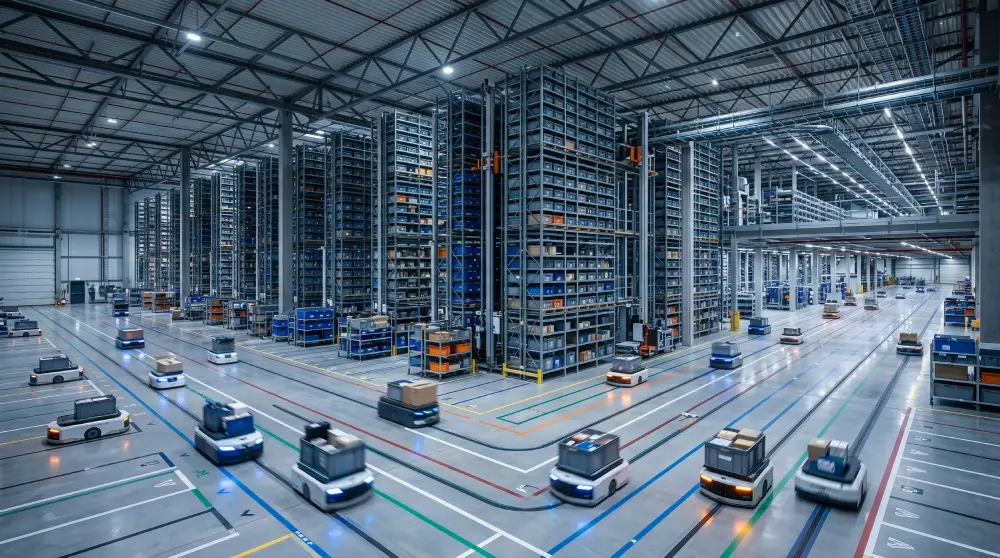
The global marketplace is moving faster than ever before. For businesses trying to keep up with shifting consumer demands, unexpected logistical bottlenecks, and complex global networks, manual operations are no longer sufficient. Relying on legacy systems leads to costly errors and operational delays. To stay competitive, companies are shifting their focus toward full digital transformation. At the center of this movement is a massive wave of technological innovation designed to streamline operations from production floors to final deliveries.
Implementing supply chain automation trends is no longer a luxury for forward-thinking enterprises. It has become a baseline necessity for survival and growth. True automation involves combining artificial intelligence, cloud computing, advanced robotics, and real-time visibility tools to create an agile operational ecosystem. This comprehensive guide explores the most influential advancements redefining how modern businesses move products safely, quickly, and cost-effectively.
- What is Driving Supply Chain Automation Trends Today?
- Agentic AI and the Rise of Autonomous Decision Making
- Brownfield Automation and Robotics-as-a-Service
- Operational Digital Twins and Predictive Simulation
- Hyper-Local Fulfillment and Smart Inventory Placement
- Verifiable Sustainability Through Digital Tracking Tools
- Overcoming Implementation Obstacles in Digital Transformation
- The Path Forward: Embracing an Automated Ecosystem
- Frequently Asked Questions
What is Driving Supply Chain Automation Trends Today?
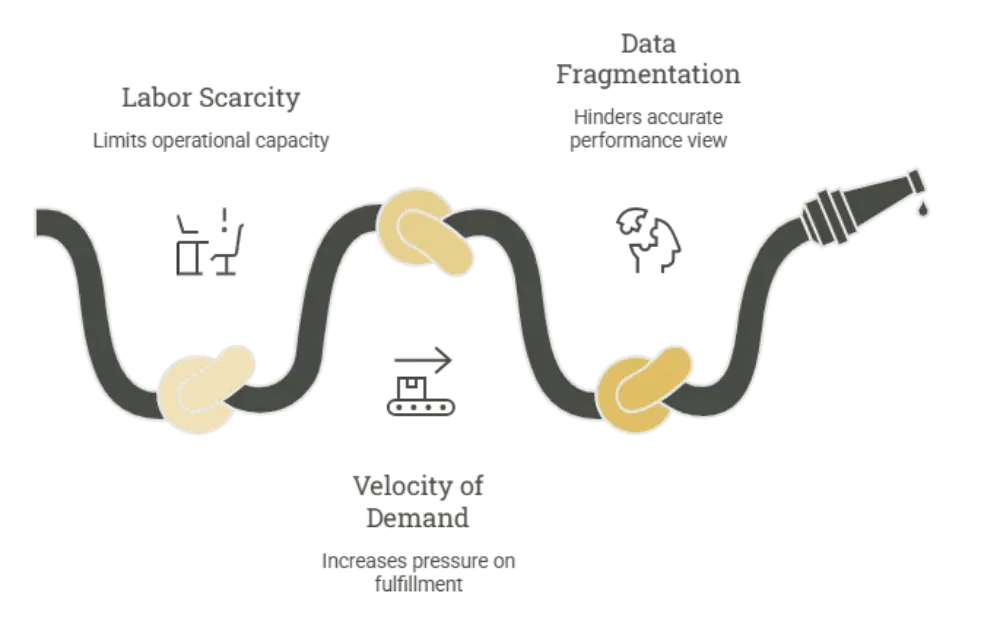
The sudden acceleration of digital adaptation in logistics stems from severe operational pain points. Global organizations frequently face recurring disruptions caused by geopolitical changes, labor shortages, and unexpected weather events. Traditional supply chain management relied heavily on historical data and manual communication channels. When a disruption occurred, companies spent days or weeks trying to find alternative routes or update inventory records.
Modern automation changes the equation by shifting workflows from reactive fire fighting to proactive orchestration. Today, companies leverage unified data ecosystems where information flows freely across internal departments and external partners. The major factors accelerating these shifts include the following items:
- Severe Labor Scarcity: Warehouses and transportation networks worldwide face chronic shortages of skilled operators, driving the need for physical and digital task automation.
- The Velocity of Demand: Consumers expect rapid shipping times and real-time tracking updates, placing immense pressure on fulfillment networks to execute without errors.
- Data Fragmentation: Traditional setups leave critical information trapped in isolated software silos, making it nearly impossible to gain an accurate view of operational performance.
Agentic AI and the Rise of Autonomous Decision Making
One of the most profound shifts involves the evolution of artificial intelligence. For years, AI in logistics remained largely predictive, analyzing historical data patterns to forecast demand or suggest ideal stock levels. While valuable, these systems still required human operators to manually review suggestions and execute adjustments.
The industry is now entering the era of agentic AI. This refers to software systems built with autonomous capabilities that can identify a supply chain issue, analyze the best course of action, and execute solutions within predefined guardrails. Instead of simply generating a dashboard alert about a shipping delay, an autonomous AI agent can recalculate alternative freight routes, contact backup suppliers, or update delivery schedules independently.
Keypoints of agentic AI integration include:
- Continuous processing of real-time demand signals to automatically alter procurement timelines.
- The use of smart algorithms that can adjust production volumes dynamically based on component availability.
- Automated communication systems that seamlessly interact with logistics partners to optimize scheduling.
Brownfield Automation and Robotics-as-a-Service
When business owners think about warehouse automation, they often picture massive, multi-million dollar fulfillment facilities built entirely from scratch. However, building these new facilities requires extensive capital investment and years of construction time. High capital costs have shifted focus toward brownfield automation, which involves upgrading and retrofitting existing operational facilities with modular technologies.
This trend is highly supported by the rise of the Robotics-as-a-Service operational framework. Rather than purchasing expensive fleets of machines outright, businesses can deploy advanced robotics via subscription models. This lowers the barrier to entry, allowing mid-sized companies to access cutting-edge hardware without exhausting their capital budgets.
Keypoints of modular warehouse robotics include:
- Autonomous Mobile Robots: These compact units navigate busy warehouse floors independently, safely weaving around human workers to transport goods from shelving units to packing stations.
- Automated Guided Vehicles: Heavy-duty automated units move heavy pallets across large facilities along designated pathways, reducing the need for manual forklift operations.
- Intelligent Picking Arms: Advanced robotic limbs equipped with computer vision systems can identify, grasp, and pack distinct products of varying shapes and sizes with extreme precision.
Operational Digital Twins and Predictive Simulation
Maintaining end-to-end visibility across a complex supply chain is notoriously difficult. A minor mistake on a factory floor can ripple outward, causing massive delays at a distribution hub hundreds of miles away. To solve this problem, enterprises are leveraging operational digital twins to mirror physical assets digitally.
A digital supply chain twin is a dynamic digital replica of an entire logistics network. continuously collecting data from enterprise resource planning systems, transport networks, and warehouse management software, the digital twin provides a real-time visualization of the business ecosystem. Managers can use these platforms to run complex predictive simulations. For instance, a team can simulate how a sudden port strike or a major weather event will impact inventory levels across different regions, allowing them to establish backup plans before actual disruptions happen.
Hyper-Local Fulfillment and Smart Inventory Placement
Customer expectations surrounding final deliveries have completely rewritten the rules of network design. Maintaining large, centralized storage facilities located hours away from major cities makes it difficult to fulfill rapid delivery windows economically. Consequently, logistics structures are moving toward hyper-local distribution models.
Micro-fulfillment centers and urban dark stores are small, highly automated storage nodes situated directly within densely populated urban zones. These compact units utilize automated storage and retrieval systems to maximize vertical space. Combined with predictive AI, these localized hubs analyze localized purchasing behaviors to ensure that high-demand products are pre-positioned close to consumers before orders are even placed. This trend significantly cuts down final-mile transit distances, helping companies lower fuel consumption and optimize operational efficiency.
Verifiable Sustainability Through Digital Tracking Tools
Environmental responsibility has shifted from a marketing talking point into a strict operational mandate. Regulatory bodies around the world continue to tighten rules regarding carbon emissions, waste reduction, and ethical resource sourcing. Meeting these standards manually is incredibly tedious and prone to compliance errors.
Modern automation simplifies compliance by embedding tracking metrics directly into daily operational workflows. Automated systems collect data at every step of a product lifecycle, from initial raw material gathering to final customer packaging. This transparent approach allows companies to build verifiable sustainability frameworks. Automated reverse logistics systems also optimize circular economies, streamlining the process of returning, repairing, and recycling materials to minimize overall waste.
Keypoints of automated sustainability tracking include:
- Digital product tracking files that record the verifiable environmental history of components.
- Automated freight software that calculates carbon footprints and optimizes shipping routes to save fuel.
- Sensors that continuously monitor perishable shipments to eliminate food and pharmaceutical waste.
Overcoming Implementation Obstacles in Digital Transformation
While the advantages of adopting automated systems are clear, navigating the transition presents unique business challenges. The ultimate success of an automation initiative depends heavily on data quality and change management. Implementing advanced AI or robotics on top of inconsistent, messy data structures will only accelerate errors at scale.
Organizations must prioritize robust data governance frameworks to ensure their systems operate on complete and accurate information. Furthermore, leadership teams should view automation as a collaborative tool meant to augment human capabilities rather than replace them entirely. Transitioning toward human-machine orchestration requires active investments in worker upskilling, teaching warehouse staff and planners how to manage automated machinery and oversee complex software systems effectively.
The Path Forward: Embracing an Automated Ecosystem
The future of logistics belongs to organizations capable of turning vast streams of operational data into instant, decisive action. Staying tied to manual processes increases operational risk, lowers profit margins, and drives down customer satisfaction.
closely monitoring and adopting these supply chain automation trends, companies can transform their logistics networks from simple cost centers into powerful drivers of growth. Whether you begin by integrating intelligent inventory software or deploying flexible warehouse robotics via a subscription model, the goal is to build an interconnected, self-healing operation capable of thriving through market volatility.
Frequently Asked Questions
What are the main benefits of adopting supply chain automation trends?
Adopting these advancements allows companies to significantly boost operational speed, eliminate human processing errors, lower overhead costs, and build resilience against unexpected global disruptions.
How does artificial intelligence support supply chain automation trends?
Artificial intelligence shifts operations from reactive tracking to proactive management. Advanced AI agents can analyze real-time data, forecast demand shifts, detect logistical bottlenecks, and autonomously execute corrective solutions.
What is the role of Robotics-as-a-Service in supply chain automation trends?
Robotics-as-a-Service allows businesses to deploy advanced automated machinery using a flexible subscription model. This eliminates major upfront capital costs, making warehouse robotics accessible to a wider range of businesses.
Can supply chain automation trends assist with corporate sustainability targets?
Yes. Automation tools track carbon emissions, optimize transport routes to lower fuel consumption, and monitor perishable items to eliminate waste, helping businesses easily comply with global environmental regulations.
How should a business prepare for supply chain automation trends?
Organizations should focus on breaking down internal data silos, establishing strict data governance rules, and actively investing in upskilling programs so employees can confidently manage automated technologies.