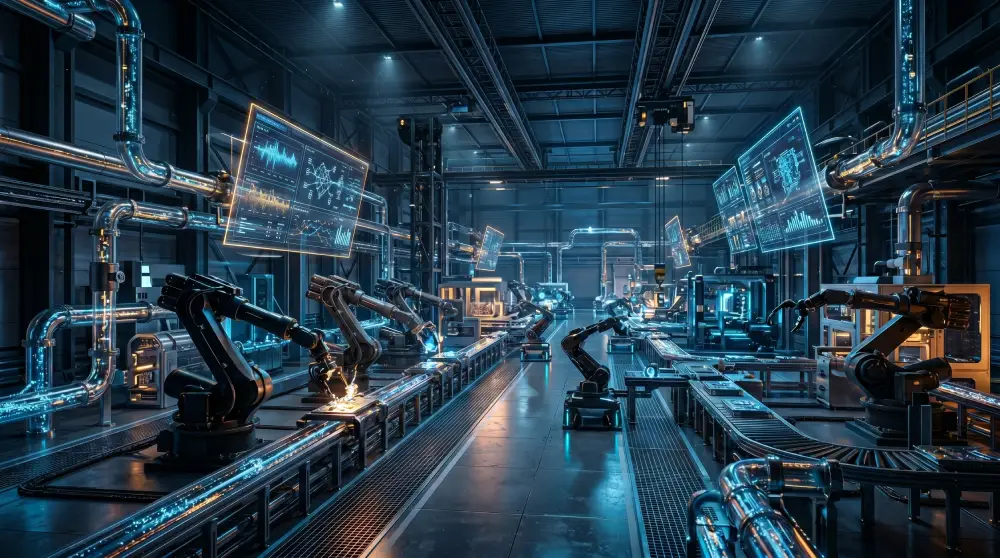
The world of manufacturing and industry is undergoing one of the most significant transformations in its history. At the center of this shift is the Industrial IoT Application, a rapidly expanding ecosystem of connected devices, intelligent sensors, and cloud-powered analytics that is reshaping how factories, power plants, logistics hubs, and supply chains operate. From predictive maintenance to remote asset monitoring, industrial IoT is not just a trend but a foundational shift in how physical industries function in the digital age.
Industries across the globe are adopting IoT-driven solutions to enhance operational efficiency, reduce downtime, and improve worker safety. Understanding what industrial IoT applications are, how they work, and where they deliver the most value is essential for any business looking to stay competitive in today’s technology-driven marketplace.
What Is an Industrial IoT Application?
An Industrial IoT (IIoT) application refers to the use of internet-connected sensors, machines, software platforms, and data analytics tools within industrial environments such as manufacturing plants, oil and gas facilities, utilities, transportation networks, and agriculture operations. Unlike consumer IoT, which focuses on convenience and lifestyle, industrial IoT is purpose-built for mission-critical environments where reliability, precision, and scalability are non-negotiable.
The Internet of Things describes physical objects embedded with sensors, processing ability, software, and other technologies that connect and exchange data with other devices and systems over the internet or other communications networks. When this concept is applied to industrial settings, the scope of impact becomes massive.
These applications typically involve collecting data from physical assets in real time, transmitting it to cloud or edge computing systems, and then using machine learning or AI algorithms to generate actionable insights. The result is smarter, faster, and more efficient industrial operations.
Key Industrial IoT Application Areas
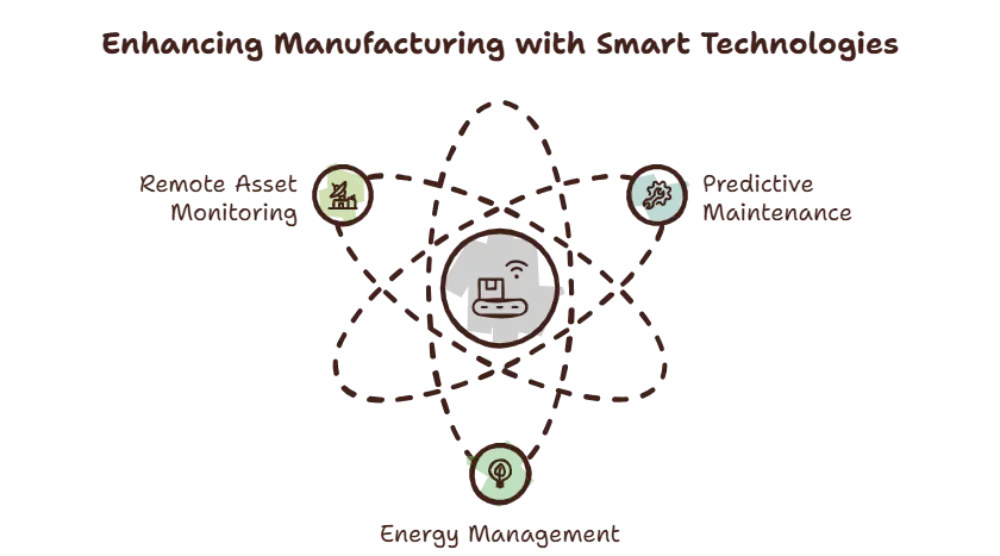
1. Smart Manufacturing and Factory Automation
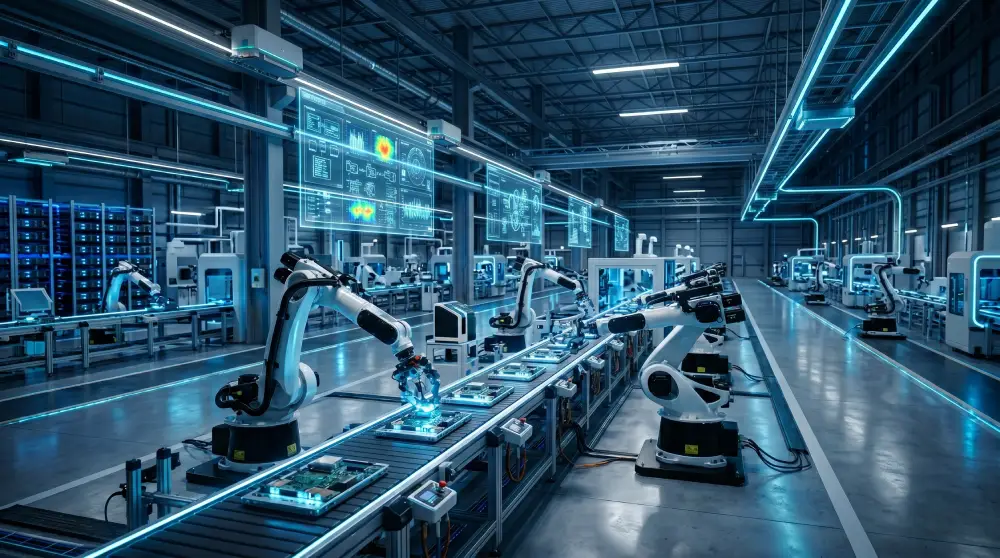
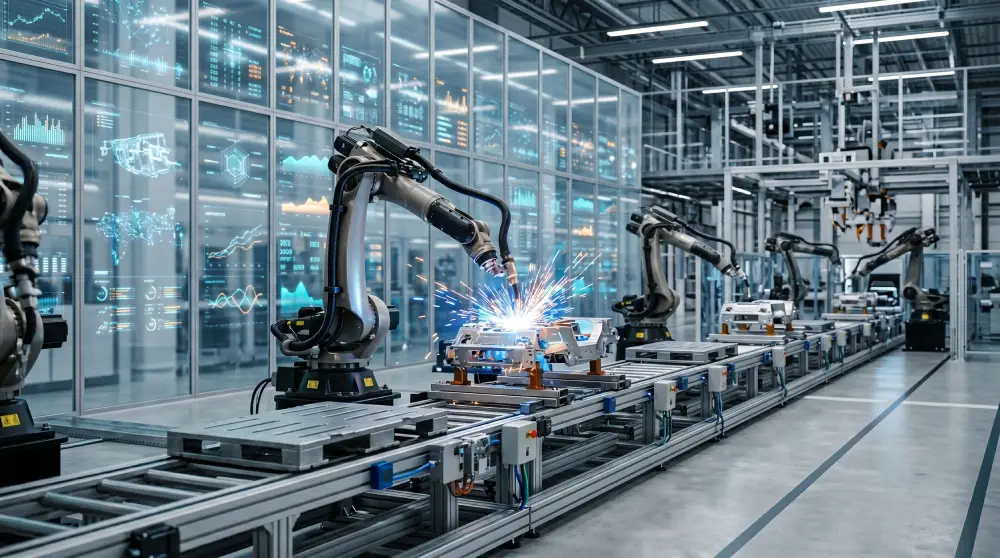
One of the most prominent uses of industrial IoT is within smart manufacturing. Connected machines on the factory floor can communicate with each other and with central management systems, enabling automated workflows, real-time quality control, and adaptive production planning. Sensors embedded in equipment track variables like temperature, vibration, speed, and pressure, sending continuous data streams to monitoring dashboards.
This allows plant managers to identify inefficiencies immediately and make adjustments before minor issues escalate into costly production halts. Smart manufacturing through IIoT is closely tied to the concept of Industry 4.0, a term that describes the fourth industrial revolution driven by cyber-physical systems and digital integration.
2. Predictive Maintenance
Perhaps the most financially impactful industrial IoT application is predictive maintenance. Traditional maintenance strategies either follow a fixed schedule (time-based) or react to equipment failure (reactive). Both approaches come with significant drawbacks including unnecessary downtime and high repair costs.
Predictive maintenance powered by IIoT changes this equation entirely. Sensors continuously monitor machine health indicators such as vibration frequency, acoustic emissions, thermal patterns, and oil quality. Machine learning models then analyze this data to forecast when a specific component is likely to fail, allowing maintenance teams to intervene at precisely the right moment.
Research published by institutions such as the MIT Sloan School of Management has highlighted how predictive analytics in industrial settings can reduce maintenance costs significantly while extending the operational lifespan of equipment.
3. Energy Management and Optimization
Industrial facilities consume enormous amounts of energy. Industrial IoT applications are being deployed extensively to monitor energy usage across entire facilities in real time. Smart meters, connected HVAC systems, and automated lighting grids generate granular energy consumption data that facility managers can analyze to pinpoint waste and optimize usage patterns.
In power generation and utilities, IIoT-enabled grid management systems allow operators to balance load distribution dynamically, integrate renewable energy sources more effectively, and detect faults before they cause widespread outages. This is particularly important as the global energy sector shifts toward sustainability goals and smarter infrastructure.
4. Energy Management and Optimization
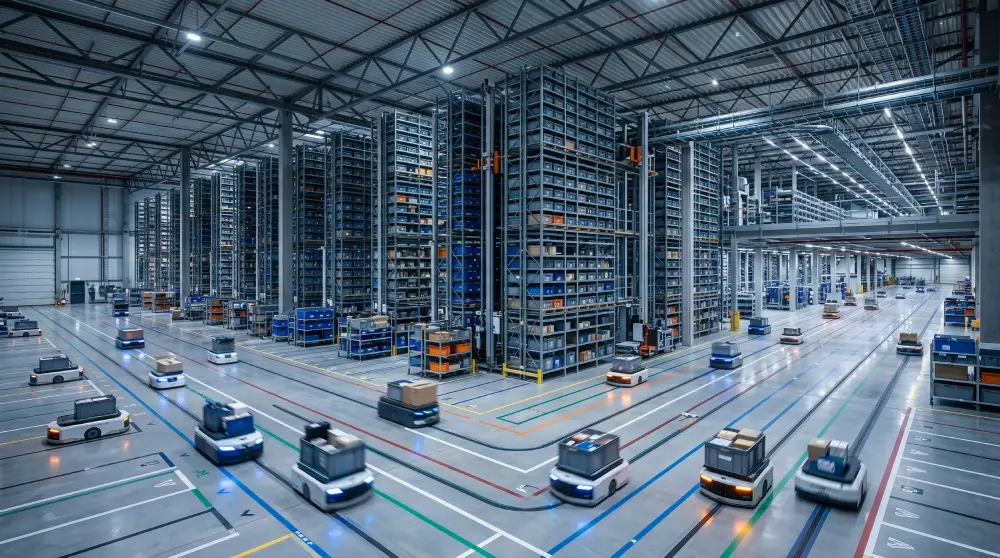
Industrial IoT has transformed supply chain management by providing end-to-end visibility into the movement of goods, raw materials, and finished products. GPS-enabled trackers, RFID tags, and environmental sensors placed on shipments allow businesses to monitor location, temperature, humidity, and handling conditions throughout the entire logistics journey.
This level of visibility is critical in industries like pharmaceuticals, food and beverage, and cold chain logistics where cargo conditions directly impact product quality and regulatory compliance. When anomalies are detected, automated alerts trigger corrective actions before the integrity of the shipment is compromised.
5. Remote Asset Monitoring in Oil, Gas, and Mining
In hazardous industries such as oil and gas extraction, mining, and chemical processing, deploying personnel to manually inspect remote equipment carries significant safety risks. Remote asset monitoring through industrial IoT eliminates much of this need by placing smart sensors on pipelines, drilling rigs, compressors, and storage tanks.
These sensors relay operational data continuously to control rooms, where engineers can assess equipment health, detect leaks or pressure anomalies, and make informed decisions without setting foot in a dangerous field environment. This capability not only reduces risk but also lowers operational costs associated with physical site inspections.
6. Quality Control and Product Traceability
Industrial IoT applications are enabling a new era of quality assurance in manufacturing. Vision systems equipped with AI, combined with IoT-connected inspection stations, can detect micro-defects in products at speeds and accuracy levels far beyond human capability. Every product can be tagged with a digital identity that tracks its journey from raw material to finished goods, creating comprehensive traceability records.
This is particularly valuable in sectors like automotive, aerospace, and electronics, where component failure can have serious consequences. Regulatory bodies increasingly require detailed manufacturing logs, and IIoT systems make compliance documentation an automated, real-time process rather than a manual after-the-fact task.
7. Agriculture and Smart Farming
The application of industrial IoT extends beyond traditional factory settings into precision agriculture. Soil moisture sensors, drone-based crop monitoring systems, automated irrigation controllers, and livestock health trackers are all part of the growing agricultural IoT ecosystem.
Farmers and agribusiness operators use these tools to optimize water usage, detect crop disease early, and maximize yield while minimizing resource consumption. Researchers at universities such as Purdue University’s College of Agriculture have been exploring how precision technology and IoT integration can support more sustainable and productive farming practices.
Core Technologies Behind Industrial IoT Applications
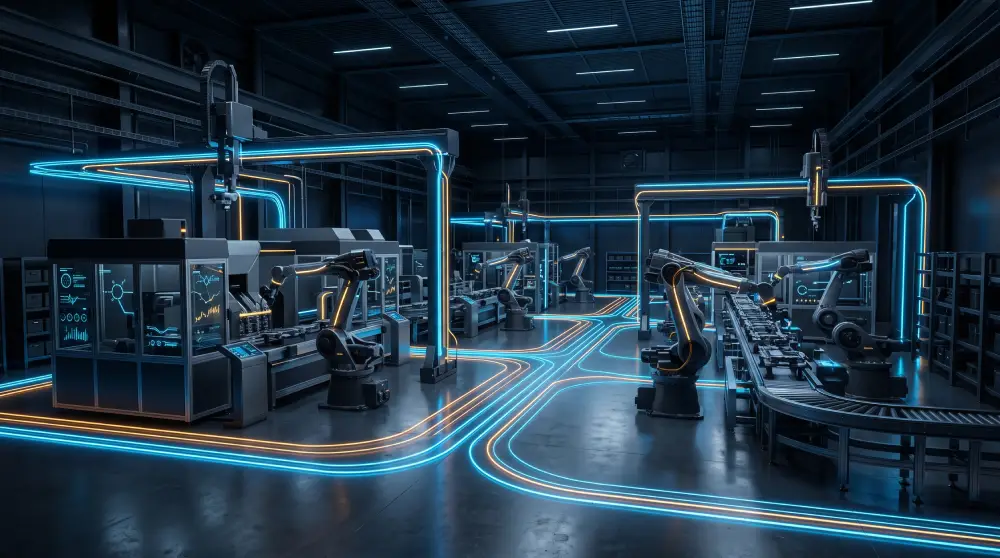
Industrial IoT applications rely on a layered technology stack that includes edge computing devices, wireless communication protocols such as MQTT and OPC-UA, cloud platforms with scalable storage and compute, and advanced analytics engines powered by AI and machine learning.
Edge computing plays a particularly important role by processing data closer to where it is generated, reducing latency and bandwidth demands. This is critical in scenarios where real-time decisions must be made in milliseconds, such as in robotic assembly or autonomous vehicle navigation within warehouse environments.
Cybersecurity is another foundational layer. As more industrial assets become connected, the attack surface for cyber threats expands. Robust IIoT deployments integrate end-to-end encryption, network segmentation, and continuous threat monitoring to protect sensitive operational data and prevent unauthorized access to critical infrastructure.
Benefits of Industrial IoT Application
The advantages of deploying industrial IoT solutions span multiple dimensions of business performance.
Operational efficiency improves dramatically as manual processes are automated and data-driven decision-making replaces guesswork. Asset utilization rates increase because equipment is maintained proactively and scheduled more intelligently. Worker safety is enhanced as hazardous tasks are delegated to sensors and automated systems. Environmental impact is reduced through more precise resource consumption and waste management.
Digital transformation enabled by industrial IoT also opens new revenue opportunities. Manufacturers can offer data-driven services alongside their physical products, creating service-based business models that generate recurring value beyond the initial sale.
Challenges to Consider
Adopting industrial IoT applications is not without its challenges. Legacy equipment integration remains a significant hurdle, as older machines were not designed with digital connectivity in mind. Interoperability between devices from different vendors requires careful architecture planning and often the use of middleware solutions.
Data management at scale is another complexity. Industrial environments can generate terabytes of sensor data daily, requiring robust storage, processing, and governance frameworks. Organizations must also invest in workforce training to ensure employees can interpret and act on the insights that IIoT systems produce.
The Road Ahead
The global industrial IoT market is on a trajectory of sustained growth, driven by increasing adoption across manufacturing, energy, logistics, healthcare, and agriculture. As connectivity technologies such as 5G become more widely available, the speed and reliability of IIoT data transmission will improve further, enabling even more sophisticated real-time applications.
Artificial intelligence will deepen its integration with industrial IoT, moving from descriptive and predictive analytics toward prescriptive systems that not only forecast outcomes but recommend and even autonomously execute optimal actions. The convergence of industrial IoT with digital twins, augmented reality, and robotics will create industrial environments that are more agile, resilient, and intelligent than anything seen before.
Conclusion
Industrial IoT applications represent one of the most powerful forces reshaping the global economy. connecting machines, assets, and processes through intelligent sensor networks and advanced analytics, industries can achieve levels of efficiency, safety, and agility that were previously unimaginable. Whether in a high-volume automotive plant, a remote oil field, or a precision agriculture operation, the value of industrial IoT is both measurable and transformative.
Organizations that invest in building robust IIoT strategies today will be best positioned to lead their industries in the years ahead. The question is no longer whether to adopt industrial IoT but how quickly and effectively it can be deployed to unlock its full potential.
FAQs
What is an Industrial IoT Application?
An Industrial IoT application is a technology solution that connects physical industrial assets such as machines, sensors, pipelines, and vehicles to the internet, enabling real-time data collection, remote monitoring, and intelligent automation. These applications are used in sectors like manufacturing, energy, logistics, agriculture, and oil and gas to improve efficiency, reduce costs, and enhance operational safety.
How does Industrial IoT differ from regular IoT?
While regular IoT focuses on consumer-facing devices such as smart home gadgets and wearables, Industrial IoT is designed for mission-critical industrial environments where precision, reliability, and scalability are essential. Industrial IoT applications operate under much stricter performance requirements, often involving heavy machinery, hazardous conditions, and large-scale data infrastructure that consumer IoT solutions are not built to handle.
What are the most common use cases of Industrial IoT applications?
The most widely adopted use cases include predictive maintenance, smart manufacturing and factory automation, remote asset monitoring in oil and gas, energy management and optimization, supply chain visibility and logistics tracking, quality control in production lines, and precision agriculture. Each of these applications uses connected sensors and real-time analytics to deliver measurable improvements in performance and cost efficiency.
Is Industrial IoT secure for critical infrastructure?
Security is one of the top priorities in any Industrial IoT deployment. Modern IIoT systems incorporate multiple layers of protection including end-to-end data encryption, network segmentation, multi-factor authentication, and continuous threat monitoring. While cybersecurity risks do exist as with any connected technology, following established security frameworks and working with experienced IIoT solution providers significantly reduces exposure and protects sensitive industrial operations.
What industries benefit the most from Industrial IoT applications?
Manufacturing, oil and gas, energy and utilities, transportation and logistics, mining, healthcare, and agriculture are among the industries that see the greatest impact from Industrial IoT applications. These sectors involve large-scale physical assets, complex operational processes, and high costs associated with downtime or inefficiency, making them ideal environments where IIoT-driven intelligence delivers the most measurable return on investment.